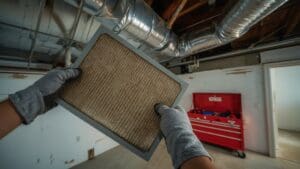

A dirty air filter is one of the most common reasons homeowners call for AC repairs. It seems like a small thing, but a clogged filter blocks the airflow your system needs to run safely and efficiently. Once that airflow drops, a chain reaction of problems starts inside your unit.
This guide explains exactly what happens when you let a dirty AC filter go too long without a change. You will learn how it causes water leaks, frozen coils, compressor strain, and more. Understanding these problems helps you avoid costly repairs and keep your system running all summer long in Cary, North Carolina.
Ready to learn more? If your AC is already showing signs of trouble, our team can help. Schedule AC repair in Cary, NC and get your system back on track fast.
What a Dirty Air Filter Actually Does to Your System
Your air filter sits at the return air intake, which is the point where your system pulls indoor air in to be cooled or heated. Its job is to trap dust, pollen, pet dander, and other particles before they reach the blower and coils. When the filter fills up, it acts like a wall instead of a screen.
Restricted airflow forces your blower motor to work harder just to pull air through the clogged material. Less air reaches the evaporator coil, which is the cold coil inside your indoor unit. That coil needs a steady stream of warm air to absorb heat properly. Without it, the coil gets too cold and the whole system starts to struggle.
How a Dirty Air Filter Causes AC Water Leaks
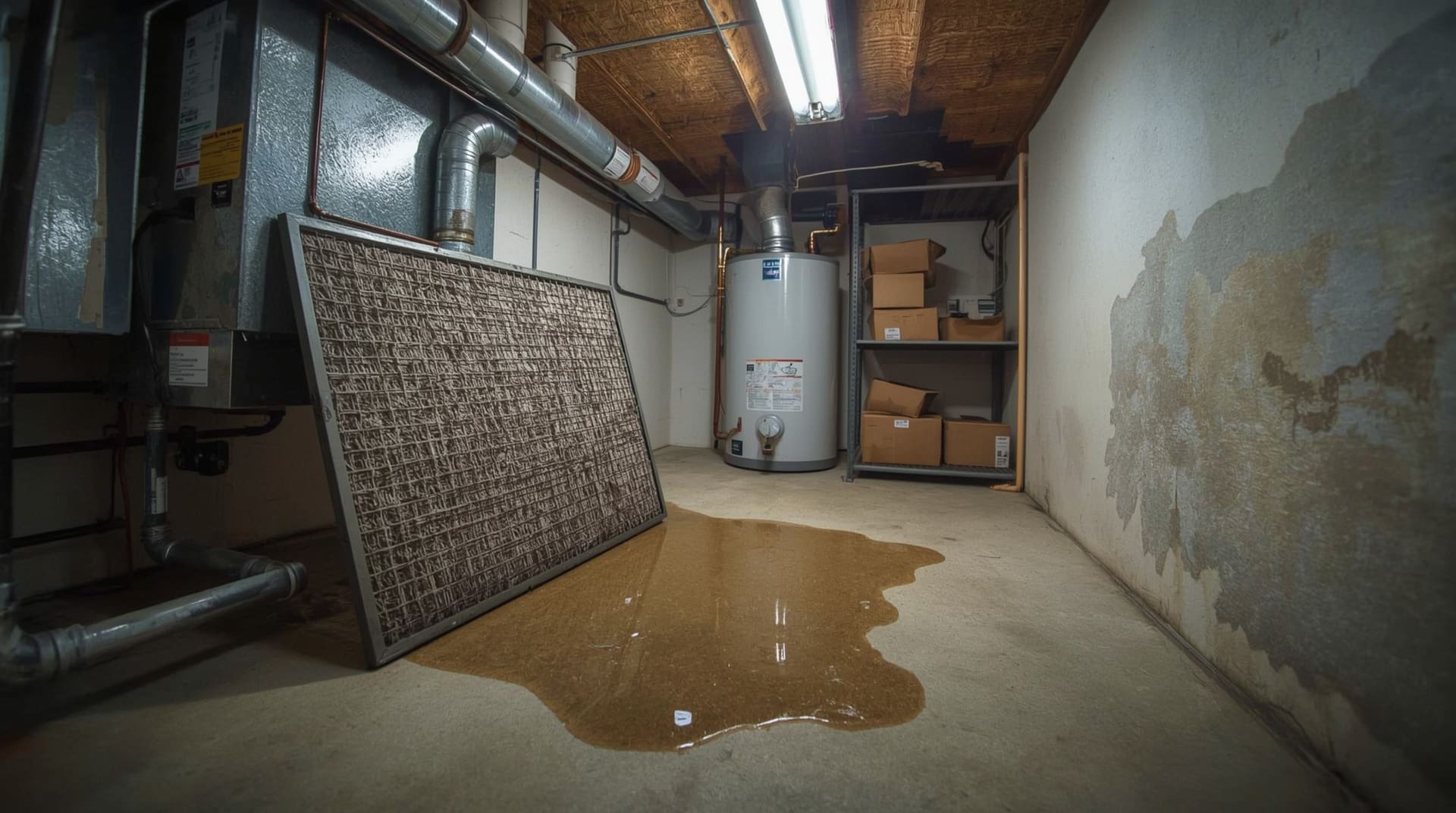
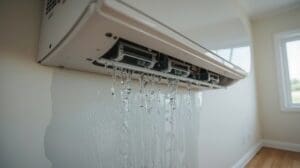
Water leaks are one of the first visible signs that you have a dirty AC filter. Here is how that happens. The evaporator coil normally collects condensation as warm, humid air passes over it. That moisture drips into a drain pan and flows out through the condensate drain line.
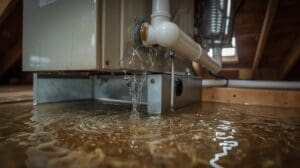
When the filter is clogged, the coil gets too cold. Moisture on the coil freezes instead of dripping off as expected. When the system eventually cycles off, that ice melts all at once. The drain pan often cannot handle that much water at one time, so it overflows onto your floor or ceiling.
A frozen coil from a dirty air filter is one of the most frequent causes of water damage homeowners discover near their indoor air handler. Catching the filter problem early prevents the leak entirely.
Frozen Evaporator Coils and What Causes Them
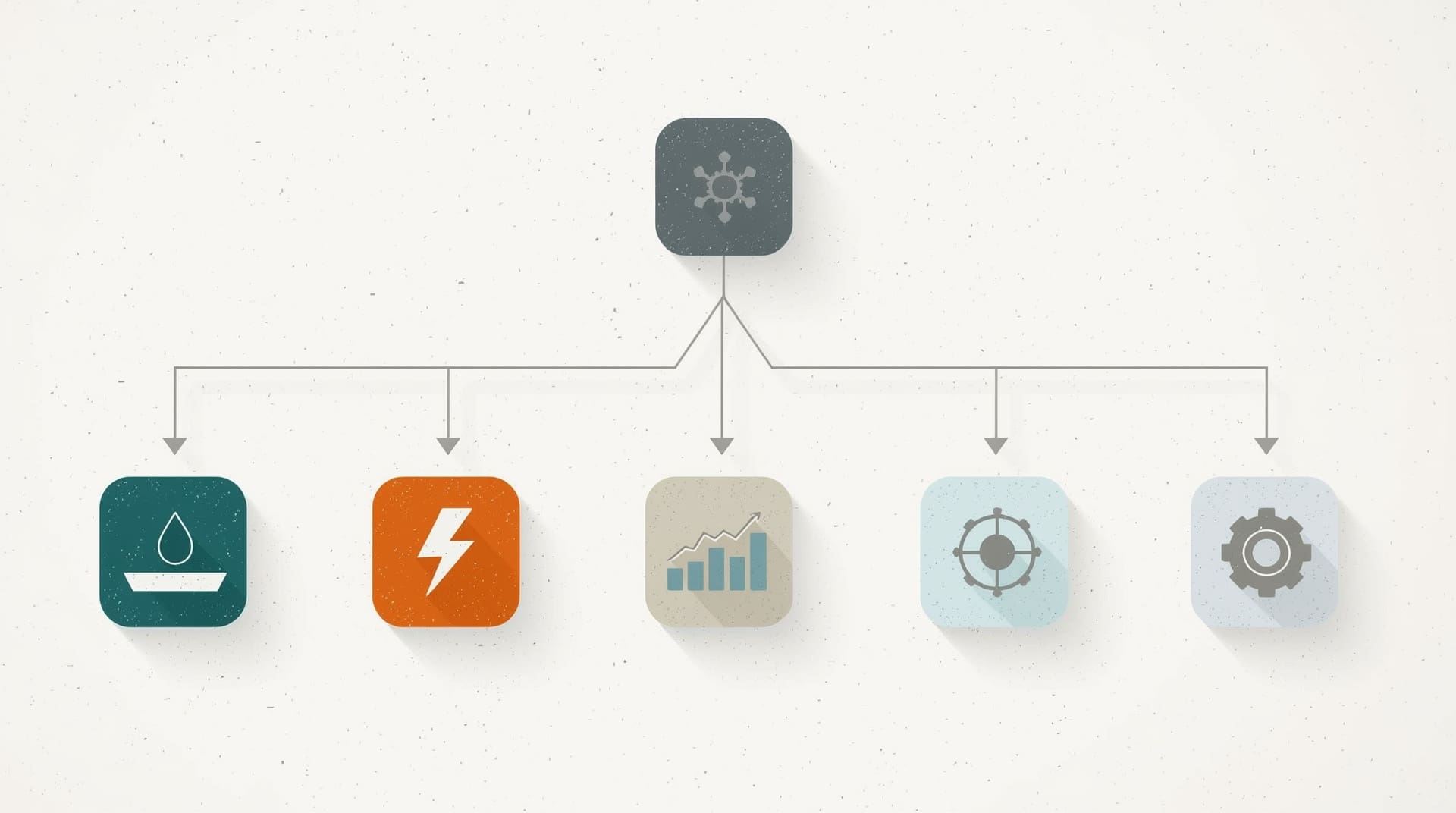
A frozen evaporator coil is not just a symptom. It is its own problem that makes everything worse. When ice forms on the coil, it insulates the refrigerant inside from the air it needs to absorb heat from. Your system loses its ability to cool your home effectively.
You may notice your AC running for long periods without actually lowering the temperature. The air coming from your vents might feel weak or only slightly cool. These are clear signs that airflow is blocked and the coil may already be freezing up due to a dirty AC filter.
| Problem | Root Cause | What You Notice |
|---|---|---|
| Water leak at air handler | Frozen coil melts and overflows drain pan | Puddles near indoor unit |
| Weak or warm airflow | Reduced airflow over evaporator coil | Vents barely blowing air |
| High energy bills | System runs longer to reach set temperature | Spike in monthly utility costs |
| Compressor failure | Overheating and refrigerant flow issues | System stops cooling entirely |
| Poor indoor air quality | Dust and particles bypass saturated filter | More dust on surfaces, allergy flare-ups |
The Impact on Your Compressor and Refrigerant System
The compressor is the most expensive component in your entire AC system. It pressurizes refrigerant so it can absorb and release heat. A clogged air filter threatens the compressor in two ways.
First, reduced airflow over the evaporator coil can cause refrigerant to return to the compressor in liquid form rather than vapor. Compressors are designed to handle vapor only. Liquid refrigerant flooding the compressor can damage its internal valves and seals in ways that are very expensive to fix.
Second, when the system cannot cool the house efficiently, it runs longer and harder. Extended run cycles overheat the compressor motor. Over time, that repeated thermal stress shortens the compressor’s lifespan significantly. Replacing a compressor can cost as much as replacing the entire outdoor unit, so protecting it starts with a clean filter.
How a Clogged Air Filter Drives Up Energy Bills
Your AC system is designed to move a specific volume of air every minute. When a clogged air filter cuts that volume down, the system has to run longer cycles to reach the temperature on your thermostat. More run time means more electricity consumed.
Homeowners in Cary often notice their summer electric bills climbing without any obvious reason. A dirty AC filter is frequently the culprit. Even a moderately loaded filter can reduce system efficiency noticeably. A severely clogged one can push energy consumption to a level that adds real dollars to your monthly bill.
The good news is that replacing the filter is one of the cheapest maintenance tasks you can do. The energy savings from restored airflow typically outweigh the cost of a new filter within the first billing cycle.
Damage to Your Blower Motor and Ductwork
The blower motor drives the fan that moves air through your system and into your ducts. When the filter is clogged, the motor has to work against higher resistance to pull air through. That extra strain generates heat inside the motor windings, which are the coils of wire that create the spinning force.
Over time, thermal stress causes the motor to wear out faster than it should. A blower motor that should last 10 to 15 years may fail in 5 to 7 if it regularly fights a dirty filter. Motor replacements are not cheap, and the labor involved adds to the cost.
On the duct side, the pressure imbalance created by a clogged filter can worsen existing leaks in your ductwork. Duct leaks allow conditioned air to escape into unconditioned spaces like attics or crawl spaces, wasting energy and reducing comfort throughout your home.
Indoor Air Quality Problems from a Dirty AC Filter
A filter that is completely saturated with debris can no longer trap new particles effectively. Dust, pollen, mold spores, and pet dander get pushed past the filter and circulate through your home instead. For anyone with asthma or allergies, this is a significant health concern.
Moisture from the frozen and thawing coil also creates conditions where mold can grow on and around the evaporator coil. Mold spores circulated through your ducts spread to every room. You may notice a musty odor coming from your vents, which is a strong sign that biological growth is present inside your system.
Keeping your filter clean is one of the simplest ways to protect the air your family breathes every day.
How Often You Should Change Your Air Filter
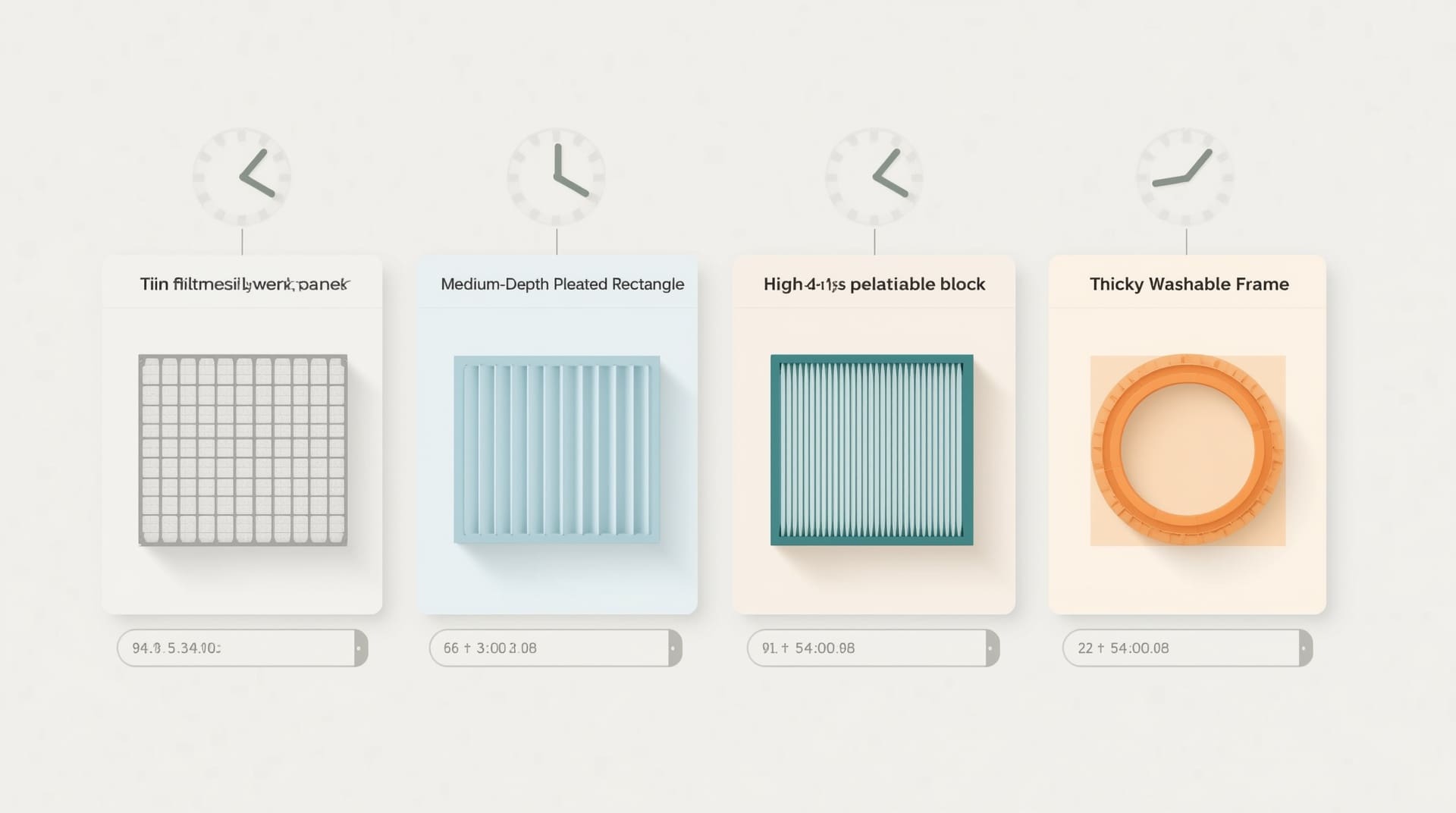
The right replacement schedule depends on a few factors, including filter type, number of occupants, and whether you have pets. A basic one-inch fiberglass filter needs replacement every 30 days. A higher-quality pleated filter can last 60 to 90 days under normal conditions.
Homes with pets, smokers, or multiple occupants should lean toward the shorter end of that range. Cary, North Carolina has humid summers and active pollen seasons that put extra demand on filters as well. Checking your filter monthly takes less than a minute and gives you a clear picture of when it needs to go.
Filter Types and Their Typical Lifespans
- Fiberglass flat panel (1-inch): Replace every 30 days. Low cost, minimal filtration.
- Pleated polyester (1-inch to 4-inch): Replace every 60 to 90 days. Better particle capture.
- High-efficiency pleated (MERV 11-13): Replace every 60 to 90 days. Best for allergy sufferers.
- Washable electrostatic: Rinse monthly, replace annually. Requires consistent cleaning.
Signs You Are Dealing with a Dirty Air Filter Right Now
You do not always have to pull the filter out to suspect there is a problem. Your system gives you clear signals when airflow is restricted. Watch for these warning signs.
- Weak airflow from supply vents even when the system is running
- Rooms that take longer than usual to reach the thermostat setting
- Ice visible on the refrigerant lines or outdoor unit
- Water pooling near your indoor air handler
- Musty or stale odors when the system runs
- Your system running almost constantly without shutting off
- A noticeable spike in your energy bill with no other explanation
If you see two or more of these signs at the same time, check the filter immediately. If the filter looks gray, matted, or visibly blocked, replace it before doing anything else. Many AC problems resolve on their own once airflow is restored.
When a Filter Change Is Not Enough
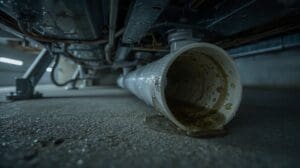
Sometimes a dirty air filter causes damage that a simple filter swap cannot fix. If the coil froze and melted repeatedly, the drain pan may be cracked or the condensate line may be clogged with algae or debris. Water may have already reached electrical components or insulation inside the air handler.
If you replace the filter and still notice weak airflow, persistent leaks, or your system not cooling properly, the underlying damage needs professional attention. A trained technician can inspect the coil, flush the drain line, check refrigerant levels, and test the blower motor for signs of wear.
Ignoring these secondary problems after a filter change often leads to bigger repairs down the road. Getting a professional evaluation early saves money and prevents a partial problem from becoming a full system failure.
Seasonal Filter Maintenance to Protect Your AC Year-Round
Your filter needs more attention during high-use seasons. In Cary, that means paying close attention from late spring through early fall, when your AC runs the most. Checking the filter at the start of each season and once mid-season is a reliable minimum baseline.
Spring brings pollen from trees and grasses that loads filters faster than usual. Fall brings leaf debris and mold spores that can do the same. During winter, when you switch from cooling to heating, the same filter continues to protect your system. A fresh filter at each seasonal transition is a smart habit that costs very little.
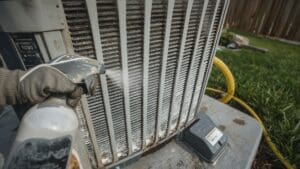
Pairing a filter check with a professional AC maintenance visit once a year gives you the best protection. A technician will clean the coil, test electrical components, check refrigerant charge, and make sure the drain system is clear, all things a filter change alone cannot address.
Final Thoughts on a Dirty Air Filter
A dirty air filter is not a minor inconvenience. It is the starting point for a chain of problems that can damage your coil, strain your compressor, flood your drain pan, and drive up your energy bills. The fix is simple and inexpensive, but only if you catch it before the damage sets in.
Make filter checks a regular habit, especially before and during the cooling season. If you are already seeing leaks, ice, or poor performance, do not wait to call a professional. Fast action on a filter problem today protects your whole system for years to come.
Frequently Asked Questions About a Dirty Air Filter
Can a dirty air filter cause my AC to stop working completely?
Yes, it can. Severe airflow restriction from a clogged air filter can cause the evaporator coil to freeze solid. When ice blocks airflow entirely, the system may shut down on a safety lockout. It can also overheat the compressor to the point of failure, which stops cooling completely.
How do I know if my AC leak is caused by a dirty filter or something else?
Replace the filter first and let the system run for a full cycle. If the coil was frozen, give it a few hours to thaw with the system off before restarting. If the leak stops after the filter is changed and the ice melts, the filter was the cause. Continued leaking after that points to a clogged drain line, cracked drain pan, or low refrigerant, which a technician should inspect.
Is a dirty AC filter bad for my health?
A saturated filter can no longer capture airborne particles effectively. Dust, pollen, pet dander, and mold spores then circulate freely through your living spaces. For people with allergies, asthma, or respiratory conditions, this can trigger symptoms or worsen existing ones. Regular filter changes directly support healthier indoor air quality.
What MERV rating should I use to protect my system without blocking airflow?
MERV stands for Minimum Efficiency Reporting Value. It measures how well a filter traps particles. For most residential systems, a MERV rating between 8 and 11 balances good filtration with adequate airflow. Ratings above 13 can restrict airflow in systems not designed for high-density filters, which can cause the same problems as a dirty filter.
Will changing my air filter lower my electric bill?
In most cases, yes. A clean filter restores proper airflow, which allows the system to reach your thermostat setting in fewer run cycles. Shorter run cycles consume less electricity. If your bill has been climbing and your filter has not been changed recently, a fresh filter is the first and most affordable place to start.