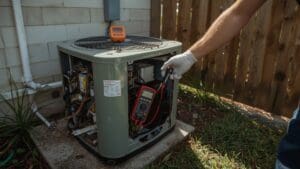

A clogged drain line is one of the most common air conditioning problems homeowners face, especially during the hot, humid summer months. Your AC pulls moisture from the air as it cools your home, and that moisture has to go somewhere. It travels through the condensate drain line and exits outside or into a floor drain. When that line clogs, water backs up fast.
The good news is that most ac drain clogs can be cleared without a service call. This guide walks you through exactly how to find the blockage, flush it out, and keep it from coming back. You will also learn which warning signs mean it is time to call a professional instead of going the DIY route.
Ready to learn more? If you would rather have a pro handle it, explore our AC maintenance services and get the job done right the first time.
What a Clogged Drain Line Actually Does to Your System
The condensate drain line is a PVC pipe, usually three-quarters of an inch in diameter, that carries water away from your indoor air handler. When algae, mold, dirt, or debris block this pipe, water has nowhere to go. The drain pan beneath your air handler fills up and eventually overflows.
Most modern AC systems have a safety float switch. This small sensor sits inside the drain pan and shuts the system off when water rises too high. That means a blocked drain line can cause your AC to stop cooling entirely, even if the compressor and refrigerant are perfectly fine.
Left unaddressed, overflow water can soak ceiling drywall, warp wood floors, and create the conditions for mold growth inside your home. Catching an ac drain clog early saves you from a much bigger repair bill later.
Signs You Have a Blocked Drain Line
Knowing the symptoms of a blocked drain line helps you catch the problem before water damage sets in. Some signs are obvious, and some are easy to miss.
- AC shuts off unexpectedly and the thermostat shows the correct temperature setting.
- Water pooling around the base of your indoor air handler or furnace.
- Musty or moldy smell coming from your vents when the system runs.
- Visible standing water in the drain pan beneath the evaporator coil.
- Water stains on the ceiling directly below the air handler in an attic installation.
- No water dripping from the outdoor condensate drain line during operation on a humid day.
If you notice any of these signs, do not ignore them. A few minutes of inspection now can prevent hours of cleanup and repair later.
Tools and Supplies You Need Before You Start
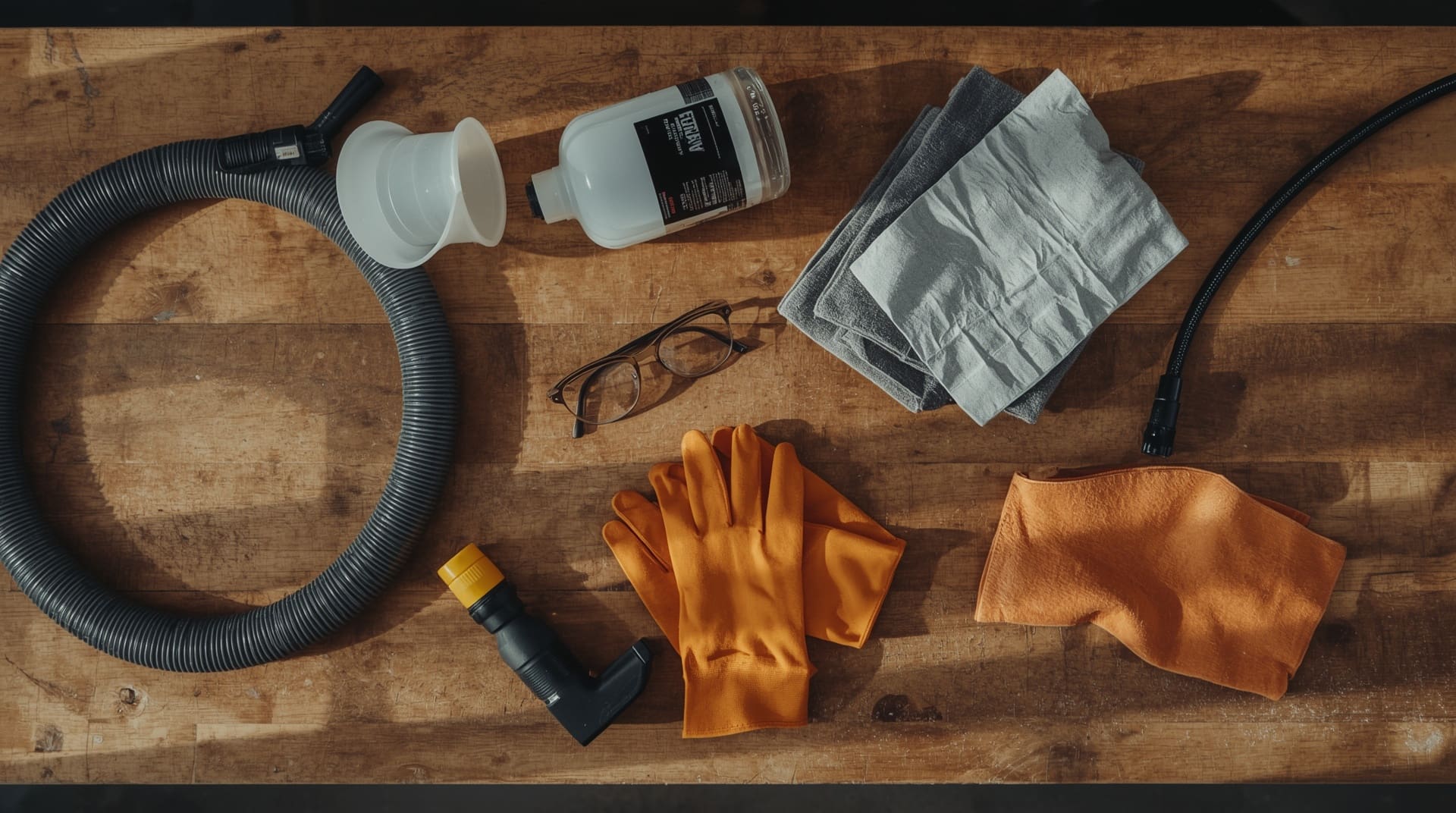
Gathering the right materials before you begin makes the job faster and cleaner. You do not need anything specialized or expensive.
- Wet/dry shop vacuum (preferred) or a standard household vacuum
- Distilled white vinegar or a commercial condensate drain cleaner tablet
- A funnel
- Rags or old towels
- A flashlight
- Safety glasses
- Gloves
Some homeowners also keep a small bottle brush or a flexible drain snake on hand for stubborn blockages. These are sold at most hardware stores for a few dollars and are worth having in your HVAC toolkit.
Step-by-Step Process to Clear a Clogged Drain Line

Follow these steps in order. Skipping steps can push the clog deeper into the line or cause unnecessary mess.
Step 1: Turn Off Your AC System
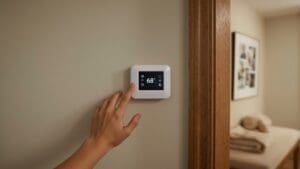
Go to your thermostat and switch the system to “off.” Then go to your electrical panel and flip the breaker for the air handler to the off position. Never work on the drain line with the unit running. You want no power flowing to the air handler while you access the drain pan and drain line access point.
Step 2: Locate the Drain Pan and Access Port
The drain pan sits directly beneath the evaporator coil inside the air handler cabinet. Open the access panel on the air handler to find it. The condensate drain line usually exits through the side of the cabinet as a white PVC pipe. Look for a small capped T-fitting along the line. That is your access port, also called a clean-out.
Step 3: Check the Drain Pan
Use your flashlight to look inside the drain pan. If water is sitting in the pan, use rags or a small wet vac to soak it up before proceeding. While you are there, inspect the pan for slime, algae buildup, or debris. A dirty pan often means the line itself is also backed up with the same material.
Step 4: Use a Wet Vac at the Outdoor Drain Exit
Go outside and find where the condensate drain line exits your home. It is typically a small PVC pipe coming out of the wall near the air handler, dripping near a flower bed or drain. Place the hose of your wet/dry shop vacuum over the end of this pipe and seal it as tightly as possible with your hand or a rag. Run the vacuum for two to three minutes. This suction method pulls the clog out from the discharge end, which is often more effective than pushing from above.
Step 5: Flush with Vinegar or a Drain Cleaner
Return to the access port on the drain line near the air handler. Remove the cap and use a funnel to pour about one cup of distilled white vinegar into the line. Vinegar is slightly acidic and kills the algae and mold that cause most clogs. Let it sit for 30 minutes without running the system. After 30 minutes, flush with a cup of clean water to push the vinegar through.
If you prefer a ready-made option, condensate drain tablets dissolve slowly inside the drain pan over several months. These are a good preventive tool after you clear the initial clog.
Step 6: Restore Power and Test
Replace the clean-out cap, close the air handler access panel, and flip the breaker back on. Set your thermostat to cooling mode. Go outside after 10 to 15 minutes and check the condensate drain line exit. You should see a slow, steady drip of water on a humid day. That drip confirms the line is clear and draining properly.
Why AC Drain Lines Clog So Often in Humid Climates
Humidity is the root cause of most condensate drain problems. Your AC removes moisture from indoor air as a byproduct of cooling. In humid regions, the system can pull several gallons of water per day from the air. That moist environment inside the drain line is ideal for algae and mold growth.
Algae is the number one culprit behind a clogged drain line. It forms a slimy film on the inside walls of the PVC pipe and slowly narrows the passage until water cannot flow freely. Dust and debris from the air filter, if the filter is not changed regularly, can also enter the drain pan and settle into the line.
Systems that sit unused for months and then get turned on for the season are especially vulnerable. Stagnant water in the line during the off-season gives algae and mold a head start before the system even begins regular operation.
Cleaning the Drain Pan and Evaporator Coil Together
The drain pan and evaporator coil sit right next to each other, so a dirty coil usually means a dirty pan. The evaporator coil is the set of refrigerant-filled fins inside your air handler. As warm air passes over it, moisture condenses and drips into the pan below.
If the coil surface has dirt or mold buildup, that contamination drips directly into the drain pan and into your drain line. Cleaning both together gives you a more complete fix. Use a no-rinse evaporator coil cleaner spray, available at hardware stores, and let it foam and drip through on its own. Pair this with a thorough drain pan wipe-down using a diluted bleach solution, about one tablespoon of bleach per cup of water.
Keeping the evaporator coil clean is also one of the best ways to maintain cooling efficiency. A coil coated in grime cannot transfer heat as effectively, which makes your system work harder and use more energy.
When DIY Is Not Enough: Signs You Need a Professional
Most basic clogs respond well to vinegar flushing and vacuum suction. But some situations call for professional tools and expertise. Do not wait if you notice any of the following.
- The line is still not draining after two rounds of vacuuming and flushing.
- Water damage has already occurred in your ceiling, walls, or flooring.
- You cannot locate the drain line exit or the access port is missing or sealed.
- The drain pan is cracked and leaking regardless of whether the line is clear.
- Mold is visible inside the air handler cabinet and extends beyond the pan.
- Your system keeps shutting off even after the drain appears clear, which could indicate an electrical issue with the float switch.
A licensed HVAC technician has a drain snake, a nitrogen flush kit, and access to replacement parts like new float switches and drain pans. They can also inspect the full system for secondary issues that caused or contributed to the blockage.
How to Prevent a Clogged Drain Line Going Forward
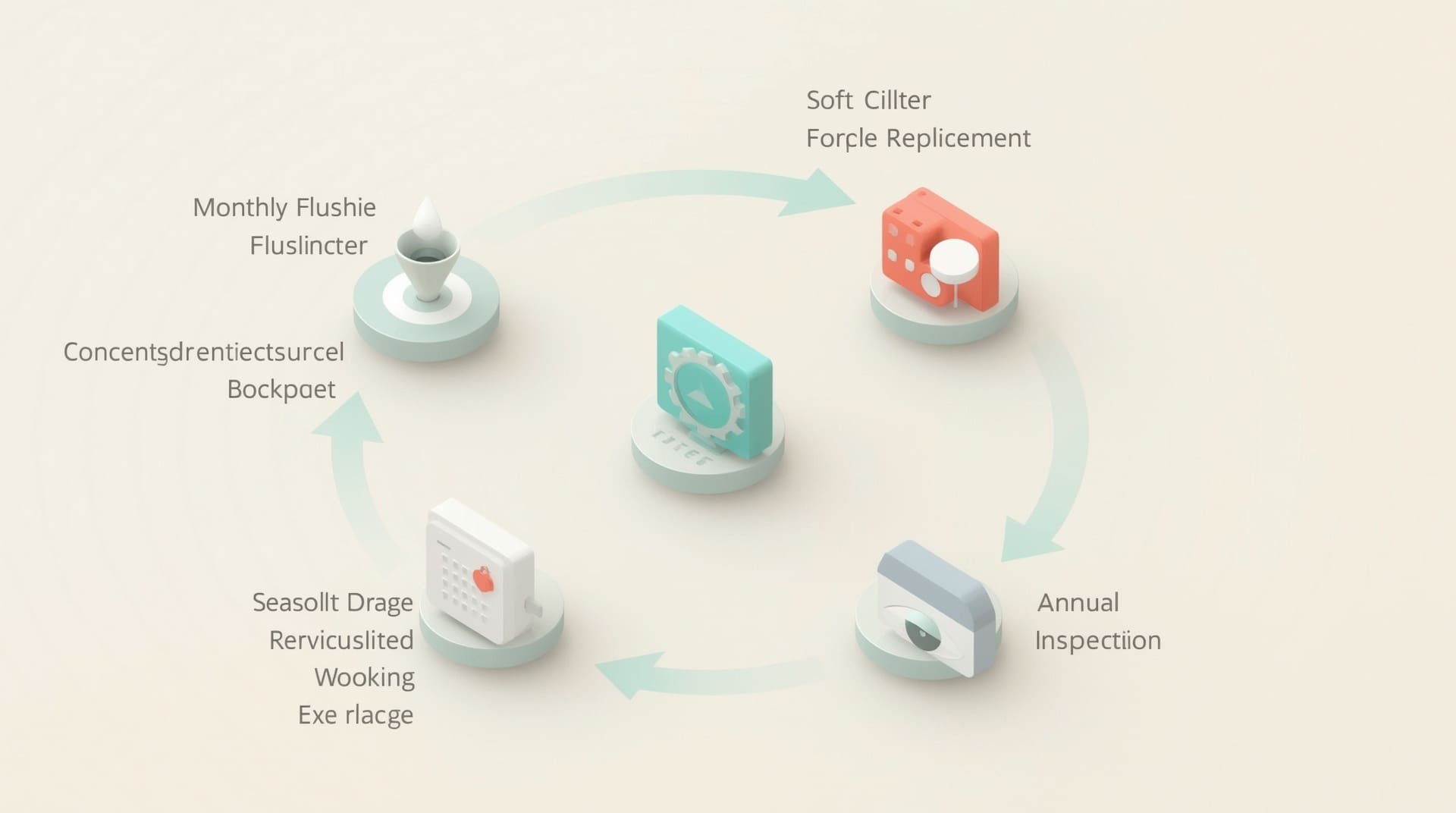
Prevention is far easier than repair. A few simple habits can keep your condensate drain line clear all season long.
1. Pour Vinegar Monthly During Cooling Season
Once a month from May through September, pour about half a cup of distilled white vinegar into the drain line access port. This keeps algae from establishing a foothold inside the pipe. It takes less than two minutes and costs almost nothing.
2. Change Your Air Filter on Schedule
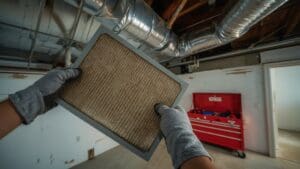
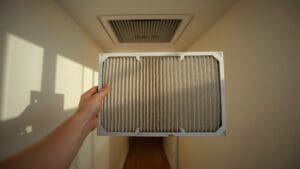
A dirty filter lets dust and debris bypass the filter and land on the evaporator coil and in the drain pan. Check your filter every 30 days. Most one-inch standard filters need to be replaced every 30 to 60 days during heavy cooling season.
3. Use Drain Pan Tablets
Condensate drain pan tablets are slow-release biocide tablets that dissolve over several months. Drop one in the drain pan at the start of each cooling season. They continuously suppress algae and mold growth with minimal effort on your part.
4. Schedule Annual AC Maintenance
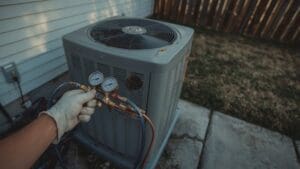
A professional tune-up includes inspection and flushing of the condensate drain as part of the standard checklist. Annual service catches early-stage buildup before it becomes a full blockage. It also catches other issues, like low refrigerant or a failing capacitor, before they leave you without cooling on the hottest day of the year.
5. Inspect the Drain Pan Visually Each Season
Before you start using your AC for the season, open the air handler cabinet and look into the drain pan. Any slime, standing water, or discoloration is a sign to clean and flush the line before you run the system regularly.
Understanding the Full Condensate Drain System
Your AC condensate drain system has more components than just the pipe. Understanding the full setup helps you troubleshoot more effectively and communicate clearly with a technician if you need one.
| Component | Function | Common Problem |
|---|---|---|
| Evaporator coil | Cools air, produces condensation | Dirt buildup reduces efficiency |
| Drain pan | Collects water dripping from coil | Algae growth, overflow, cracking |
| Condensate drain line | Carries water outside or to a floor drain | Algae, mold, and debris clogs |
| Float switch | Shuts system off when pan fills up | Failure causes system to not shut off or not restart |
| Clean-out access port | Allows flushing and inspection of the line | Sometimes missing on older systems |
| Secondary drain line | Backup exit if primary line clogs | Often absent on older installations |
Many older homes in the area do not have a secondary drain line installed. If your air handler is in an attic, the absence of a backup line makes a clogged condensate drain far more destructive. Talk to your HVAC technician about adding a secondary line as a low-cost safeguard.
Final Thoughts on Clearing a Clogged Drain Line
A clogged drain line is frustrating, but it is also one of the most manageable AC problems you can fix yourself. With a shop vacuum, a bottle of vinegar, and 30 minutes, most homeowners can restore proper drainage and get the system running again. The key is acting quickly when you notice the warning signs and not waiting until water is already spreading across the floor.
The best long-term strategy is prevention. Monthly vinegar flushes, regular filter changes, and annual professional maintenance keep algae and debris from ever building up to the point of a full blockage. If you find yourself dealing with a stubborn clog or any water damage, reach out to a qualified HVAC technician to get a thorough inspection and a lasting fix.
Frequently Asked Questions About Clogged Drain Lines
How often should I flush my AC drain line?
Flush it once a month during the active cooling season, typically May through September. A half cup of distilled white vinegar poured into the access port is all it takes. If you run your system year-round, flush it every four to six weeks regardless of season.
Can a clogged drain line cause my AC to stop cooling?
Yes. Most modern AC systems have a float switch that shuts the unit off automatically when the drain pan fills with water. This safety feature prevents overflow damage, but it also means your home stops cooling. Clearing the clog and emptying the pan will allow the system to restart.
Is bleach or vinegar better for cleaning an AC drain line?
Vinegar is the safer choice for routine monthly maintenance because it will not damage PVC fittings or leave harmful residues in the drain pan. Diluted bleach works for occasional deep cleaning of the pan itself, but avoid pouring bleach directly into the drain line on a regular basis, as it can degrade pipe fittings over time.
What if my AC drain line does not have an access port?
Older systems sometimes lack a clean-out port on the drain line. In that case, you can still try suction from the outdoor drain exit using a shop vacuum. For anything beyond basic suction, have a technician install an access port so future maintenance is easier. This is a small, inexpensive modification.
How do I know if water damage has already occurred from a blocked drain line?
Check the ceiling directly below the air handler if it is in the attic. Look for water stains, soft drywall, or bubbling paint. Around a floor-level air handler, check the surrounding flooring and walls for warping or discoloration. If you find any signs of water damage, address the moisture source first and then assess the structural damage with a professional.