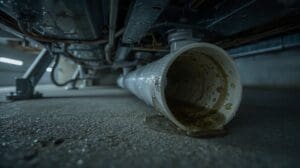

Your AC runs all day but your home stays warm. Your energy bill climbs for no obvious reason. Ice shows up on your indoor unit in the middle of summer. These are not random AC quirks. They are warning signs that your system may be low on refrigerant.
Refrigerant is the substance that makes cooling possible. It absorbs heat from inside your home and releases it outside. When refrigerant leaks, your AC loses its ability to cool effectively. The longer you wait, the more damage it does to your system and your wallet.
This guide covers every sign of a refrigerant leak, what causes them, what the repair costs, and what federal rules say about handling refrigerant.
Key Takeaways
- Warm air from vents — the most common sign your AC is low on refrigerant, even when the system runs normally.
- Ice on the evaporator coil — low refrigerant causes the coil to freeze, which blocks airflow and worsens cooling.
- Hissing or bubbling sounds — these noises often point to refrigerant escaping through a crack or hole in the coil or line.
- Evaporator and condenser coils — the two most common locations where refrigerant leaks develop over time.
- EPA Section 608 — federal law requires certified technicians to handle, recover, and recharge refrigerant. Homeowners cannot legally purchase or add refrigerant themselves.
- Repair costs range from $200 to $1,500+ — depending on leak location, refrigerant type, and whether coil replacement is needed.
What Are the Most Common Signs of an AC Refrigerant Leak?
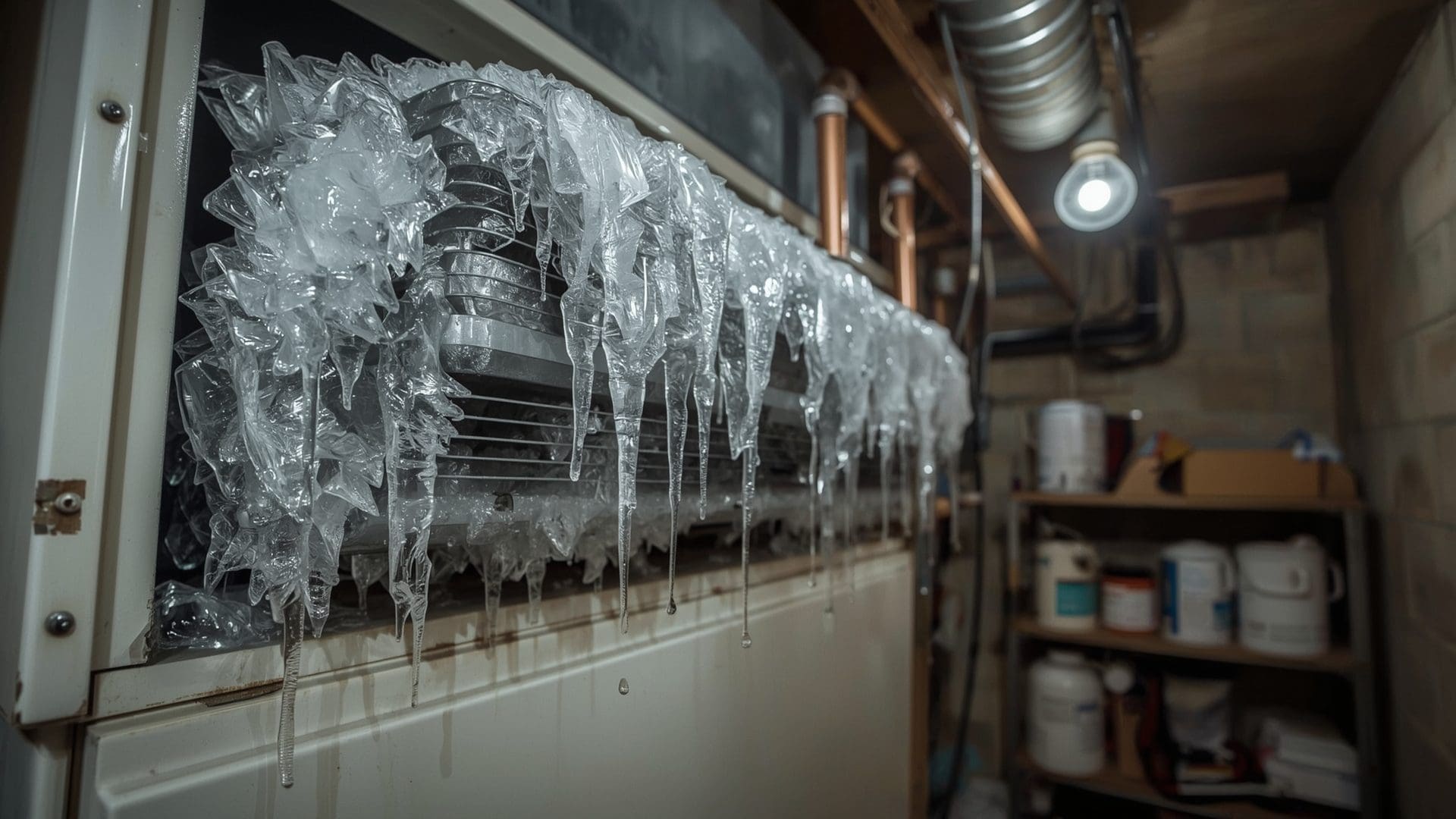
Quick Answer: The most common signs are warm air blowing from vents, ice forming on the indoor coil, hissing or bubbling noises near the unit, higher energy bills, and humidity buildup indoors. These symptoms appear because the system cannot absorb heat properly without enough refrigerant.
Refrigerant leaks do not announce themselves loudly. Most homeowners notice something feels wrong before they know what the problem is. Recognizing the specific symptoms helps you act faster and avoid expensive secondary damage.
Warm or Lukewarm Air From the Vents
Your AC should blow cool, dry air when it is running. If the air feels warm or barely cooler than room temperature, refrigerant shortage is a likely cause. Low refrigerant means the evaporator coil cannot absorb enough heat from your indoor air. The result is air that passes through without being cooled properly.
This symptom is easy to confuse with a dirty air filter or a failing compressor. A technician can quickly rule out refrigerant loss using a pressure gauge on the system.
Ice Buildup on the Indoor Unit or Refrigerant Lines
Ice forming on your AC in the middle of summer seems counterintuitive. It actually signals a problem. When refrigerant levels drop too low, the evaporator coil gets too cold. Moisture in the air freezes on contact with the coil. That ice layer blocks airflow and makes cooling even worse.
You may also see ice forming on the copper refrigerant lines that connect your indoor and outdoor units. Both are red flags worth taking seriously.
Hissing or Bubbling Noises Near the Unit
A small hiss near the indoor or outdoor unit often means refrigerant is escaping through a crack. The sound is similar to air slowly leaking from a tire. A bubbling or gurgling noise suggests refrigerant is moving through a leak point where air has entered the line.
Not all leaks make noise. Very small leaks may be silent for months while the refrigerant level slowly drops.
Rising Energy Bills Without Explanation
Low refrigerant forces your AC to run longer to reach your thermostat setting. The compressor works harder than it should. That extra runtime shows up directly on your electric bill. If your cooling costs have increased noticeably and nothing else has changed, a refrigerant leak deserves investigation.
High Indoor Humidity Levels
One of the jobs your AC does is remove moisture from the air. The evaporator coil pulls humidity out as air passes over it. When refrigerant is low, the coil cannot do this effectively. Your home may start to feel sticky or muggy even when the AC is running. You might also notice condensation forming on windows or walls.
What Causes Refrigerant Leaks in an AC System?
Quick Answer: Refrigerant leaks are most often caused by corrosion in the evaporator or condenser coils, physical damage to refrigerant lines, loose fittings at connection points, and manufacturing defects. Formicary corrosion from copper coil exposure to household chemicals is one of the leading causes in residential systems.
Formicary Corrosion in Evaporator Coils
Formicary corrosion is a specific type of damage that eats tiny pinholes into copper coils. It happens when copper reacts with formic acid, which comes from common household products like cleaning sprays, air fresheners, and adhesives. The coil does not fail all at once. It develops dozens of microscopic holes that leak refrigerant slowly over months or years.
This is the most common cause of evaporator coil leaks in residential AC systems. It is difficult to repair because the holes are too small to patch reliably. Coil replacement is often the recommended solution.
Physical Damage to Refrigerant Lines
The copper lines that carry refrigerant between your indoor and outdoor units can be damaged by vibration, improper installation, contact with sharp objects, or routine lawn work near the outdoor unit. Even minor damage to the outer insulation can expose the line to moisture and corrosion over time.
Loose or Worn Fittings and Connections
Every joint and fitting in your refrigerant system is a potential leak point. Vibration from the compressor can slowly loosen connections over years of operation. Fittings that were not tightened properly during installation are a common source of leaks in newer systems.
Condenser Coil Corrosion
The condenser coil sits in the outdoor unit and is exposed to weather, salt air, pollutants, and debris. Coastal environments and areas with high air pollution accelerate coil corrosion. The coil develops pits and cracks that allow refrigerant to escape. Unlike evaporator coil leaks, condenser coil damage is sometimes visible during a visual inspection.
Age and Metal Fatigue
AC systems older than 10 to 15 years are more susceptible to leaks simply because metal components wear out. Repeated heating and cooling cycles cause the metal in coils and lines to expand and contract. Over time, this leads to micro-fractures that eventually allow refrigerant to escape.
Where Do Refrigerant Leaks Most Commonly Occur?
Quick Answer: The most common leak locations are the evaporator coil inside the air handler, the condenser coil in the outdoor unit, the Schrader valves on the refrigerant lines, and the brazed or flared connection joints. Evaporator coil leaks account for the majority of residential refrigerant loss cases.
| Leak Location | Common Cause | Detection Method | Typical Repair | Avg. Repair Cost |
|---|---|---|---|---|
| Evaporator Coil | Formicary corrosion | Electronic leak detector, dye test | Coil replacement | $600–$1,500 |
| Condenser Coil | Weather corrosion, debris impact | Visual inspection, UV dye | Coil repair or replacement | $500–$1,200 |
| Refrigerant Lines | Physical damage, vibration | Bubble test, electronic detector | Line repair or replacement | $200–$600 |
| Schrader Valves | Wear, improper service | Bubble test | Valve replacement | $100–$250 |
| Connection Fittings | Loose joints, poor installation | Electronic leak detector | Tighten or re-braze | $150–$400 |
What Refrigerant Types Are Used in Home AC Systems?
Quick Answer: Most home AC systems use either R-22 (older systems made before 2010) or R-410A (systems from 2010 to 2024). Systems manufactured from 2025 onward are transitioning to R-454B and R-32, which have a lower environmental impact under updated EPA regulations.
| Refrigerant | Common In | Phase-Out Status | GWP (Global Warming Potential) | Current Cost Per Pound |
|---|---|---|---|---|
| R-22 (Freon) | Systems pre-2010 | Fully phased out (2020) | 1,810 | $50–$150 per lb |
| R-410A (Puron) | Systems 2010–2024 | Being phased down | 2,088 | $8–$20 per lb |
| R-454B (Puron Advance) | New systems 2025+ | Current standard | 466 | $15–$30 per lb |
| R-32 | Mini-splits, new systems | Active, in use | 675 | $10–$25 per lb |
If your system uses R-22, recharging it is extremely expensive because production stopped in 2020. Only recovered and reclaimed R-22 is available now. A leak repair on an R-22 system often makes replacement of the entire system a better financial decision.
What Do EPA Regulations Say About Refrigerant Handling?
Quick Answer: EPA Section 608 of the Clean Air Act prohibits knowingly venting refrigerant into the atmosphere. Only EPA 608-certified technicians can purchase refrigerants in containers larger than two pounds, perform recharging, and recover refrigerant from systems. Homeowners cannot legally buy or add refrigerant themselves.
What Is EPA Section 608?
EPA Section 608 is the federal regulation that governs refrigerant handling in stationary cooling equipment like home AC systems, heat pumps, and refrigerators. It applies to anyone who maintains, services, repairs, or disposes of equipment that contains refrigerants.
The rules exist because refrigerants are potent greenhouse gases. Releasing them into the atmosphere contributes significantly to climate change.
What Can Homeowners Do Legally?
As a homeowner, you can diagnose symptoms and identify that something is wrong. You can shut down the system to prevent further damage. What you cannot legally do is purchase refrigerant in containers over two pounds, add refrigerant to your own system, or dispose of old refrigerant without proper recovery equipment.
Refrigerant sales at the quantity needed for home systems are restricted to EPA 608-certified technicians. DIY refrigerant top-off kits sold online for automotive systems are not legal or compatible for home central AC use.
What Certification Do HVAC Technicians Need?
HVAC technicians must pass an EPA 608 certification exam to handle refrigerants legally. There are four certification types: Type I (small appliances), Type II (high-pressure systems like R-410A), Type III (low-pressure systems), and Universal (covers all types). Most residential HVAC work requires Type II or Universal certification.
How Is an AC Refrigerant Leak Detected by a Technician?
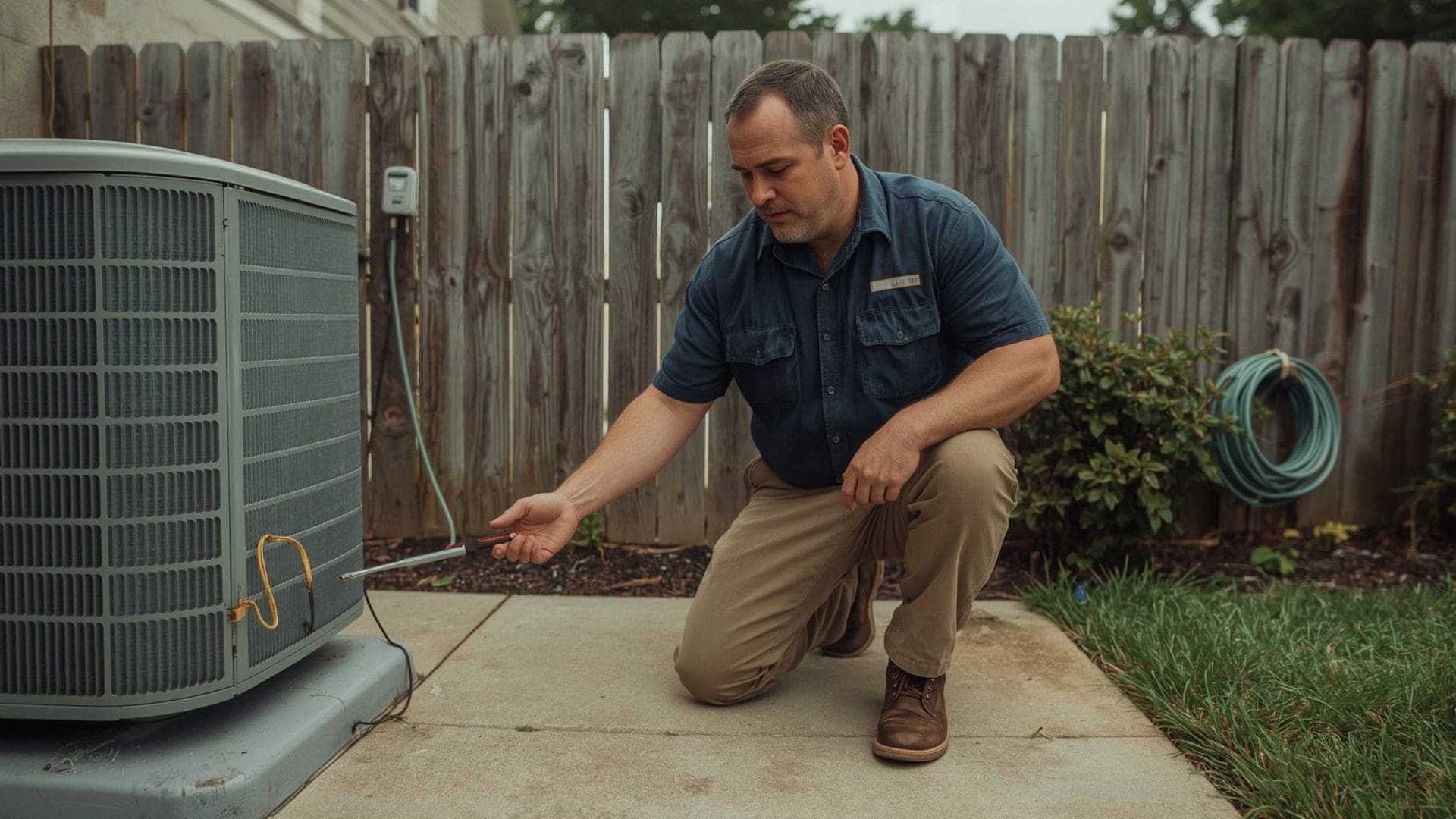
Quick Answer: Technicians use electronic leak detectors, UV dye tests, nitrogen pressure tests, and soap bubble tests to find refrigerant leaks. Electronic detectors are the fastest method for locating leaks in coils and lines. UV dye tests are used when leak location is unclear after initial inspection.
Electronic Leak Detectors
An electronic leak detector is a handheld device that senses refrigerant vapors in the air. The technician moves it slowly along coils, lines, and fittings. When it detects refrigerant, it signals with a beep or alert. This method is fast and works well for finding moderate to large leaks.
UV Dye Testing
The technician injects a fluorescent dye into the refrigerant system. The dye circulates with the refrigerant. Wherever refrigerant escapes, the dye escapes with it. A UV light makes the dye glow, showing exactly where the leak is. This method is especially useful for finding small leaks that electronic detectors miss.
Nitrogen Pressure Testing
In a nitrogen pressure test, the technician removes the refrigerant and pressurizes the system with dry nitrogen gas. Nitrogen is safe and inexpensive. If the pressure drops over time, there is a leak. The technician then uses soapy water on connections and coils to watch for bubbles that reveal the exact location.
What Does It Cost to Fix an AC Refrigerant Leak?

Quick Answer: Refrigerant leak repairs typically cost $200 to $1,500 for most homeowners. Costs depend on the leak location, refrigerant type, and whether coil replacement is needed. Recharging alone runs $100 to $400, but without fixing the leak source, the refrigerant will simply escape again.
| Service | Average Cost Range | Notes |
|---|---|---|
| Leak detection (electronic/dye) | $75–$200 | Sometimes included in diagnostic fee |
| Refrigerant recharge (R-410A) | $100–$320 | Cost per pound plus labor |
| Refrigerant recharge (R-22) | $200–$900+ | High cost due to limited supply |
| Line repair or re-braze | $200–$600 | Depends on accessibility |
| Evaporator coil replacement | $600–$1,500 | Most common major repair |
| Condenser coil replacement | $500–$1,200 | Labor intensive, varies by unit size |
| Full system replacement | $3,500–$7,500+ | Recommended for R-22 systems or older units |
Should You Repair the Leak or Replace the System?
The general rule used in the HVAC industry is the 5,000 rule. Multiply the age of the system by the repair cost. If the result exceeds $5,000, replacement is usually the smarter investment. For example, a 12-year-old system facing a $500 repair gives you 6,000. That suggests replacement is worth considering.
If your system uses R-22 and has a coil leak, replacement is almost always the better choice. The refrigerant alone can cost more than the repair is worth.
Can a Refrigerant Leak Damage Other Parts of Your AC?
Quick Answer: Yes. Running your AC with low refrigerant puts heavy stress on the compressor, which is the most expensive component in the system. Continued operation can cause the compressor to overheat and fail permanently. Compressor replacement costs $1,200 to $2,800, often making full system replacement more practical.
Compressor Damage
The compressor is the heart of your AC system. It pressurizes the refrigerant so it can circulate and absorb heat. Low refrigerant means the compressor has to work much harder to maintain pressure. Over time, this causes overheating, valve wear, and eventually total failure. Compressor failure is the most expensive consequence of ignoring a refrigerant leak.
Frozen Evaporator Coil Damage
When the evaporator coil freezes solid, it can overflow the condensate drain pan as it thaws. That overflow can cause water damage to ceilings, walls, or floors, depending on where your air handler is located. The freeze-thaw cycle also stresses the coil itself, potentially worsening any existing leaks.
How Can You Prevent Refrigerant Leaks in the Future?
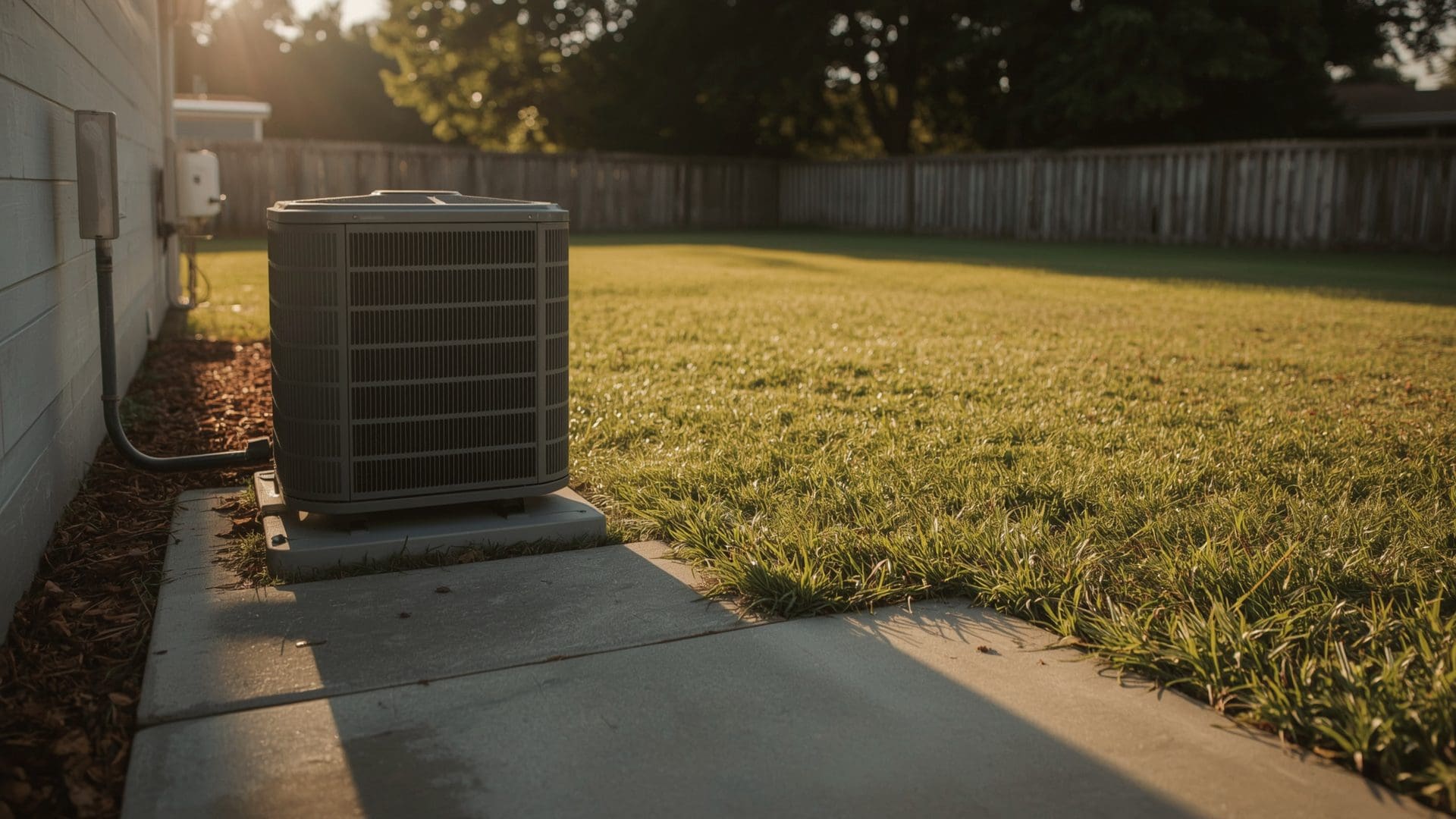
Quick Answer: Annual professional maintenance that includes coil inspection, pressure checks, and leak testing is the most effective prevention. Keeping the area around the outdoor unit clear, avoiding harsh chemical sprays near the indoor unit, and scheduling service before peak cooling season reduces leak risk significantly.
Annual HVAC Maintenance
A yearly tune-up gives a technician the chance to catch small leaks before they become large ones. During a maintenance visit, the technician checks refrigerant pressure, inspects coils for early corrosion, tightens fittings, and tests electrical components. Catching a pinhole leak early costs far less than dealing with a failed compressor later.
Reduce Chemical Exposure Near the Indoor Unit
Because formicary corrosion is triggered by formic acid from household chemicals, limiting exposure helps protect your evaporator coil. Avoid using aerosol sprays, strong cleaning chemicals, or adhesives near your air handler. Good ventilation in utility closets where air handlers are installed also reduces chemical buildup.
Protect the Outdoor Unit
Keep vegetation, mulch, and debris at least 18 to 24 inches away from the outdoor condenser unit. Trim plants and grass regularly. Avoid spraying pesticides or fertilizers directly at the unit. In coastal areas, consider a coil protective coating that a technician can apply to slow salt-air corrosion.
Frequently Asked Questions About AC Refrigerant Leaks
Can I add refrigerant to my AC myself?
No. Federal EPA Section 608 regulations prohibit homeowners from purchasing refrigerant in quantities needed for home central AC systems. Only certified HVAC technicians can legally buy, handle, and recharge refrigerant. Attempting to add refrigerant without fixing the leak first is also ineffective.
How long does it take for a refrigerant leak to cause major damage?
It depends on the size of the leak. A slow pinhole leak may take months before you notice symptoms. A larger crack can cause noticeable performance loss within days. Running the system with low refrigerant for more than a few weeks puts real stress on the compressor, which can lead to permanent failure.
Is refrigerant leak smell detectable?
Modern refrigerants like R-410A and R-454B are odorless and colorless, making them impossible to smell. Some older refrigerants have a faint sweet or ether-like odor, but this is not a reliable detection method. Technicians use electronic detectors and UV dye tests to locate leaks accurately.
Does homeowners insurance cover refrigerant leak repairs?
Standard homeowners insurance policies typically do not cover refrigerant leak repairs because they are considered maintenance issues rather than sudden damage events. Some home warranty plans cover refrigerant recharging and coil repairs. Check your specific plan documents or call your provider to confirm coverage details.
How often should refrigerant levels be checked?
Refrigerant levels do not need to be checked annually if your system has no leaks. A properly sealed system holds its refrigerant indefinitely. Technicians check refrigerant pressure during annual maintenance visits. If levels are low, that means there is a leak somewhere that needs to be found and fixed.
What is the difference between a refrigerant recharge and a refrigerant leak repair?
A recharge adds refrigerant back to the system to restore proper levels. A leak repair finds and fixes the source of the loss. A recharge without a leak repair is a temporary fix. The refrigerant will simply escape again through the same leak point, and you will be paying for recharging repeatedly.