
A central AC leaking water is one of the most alarming things a homeowner can discover, especially on a hot summer day. Water pooling around your indoor unit or dripping from the ceiling is not normal, and it usually means something inside the system has failed or become clogged. The good news is that most causes are diagnosable, and catching the problem early prevents serious water damage.
North Carolina summers push air conditioners hard. High humidity, long run times, and fluctuating temperatures create the exact conditions that lead to a central air leak or ac overflow. Understanding what is happening inside your system helps you act fast and make smart decisions about repair.
Ready to learn more? Visit our AC repair service page to see how we diagnose and fix leaks fast for homeowners in the Cary area.
How Your Central AC Produces Water
Your air conditioner does not just cool air. It also removes moisture from it. Warm indoor air passes over a cold component called the evaporator coil, which causes moisture in the air to condense into liquid water, the same way a cold glass sweats on a warm day.
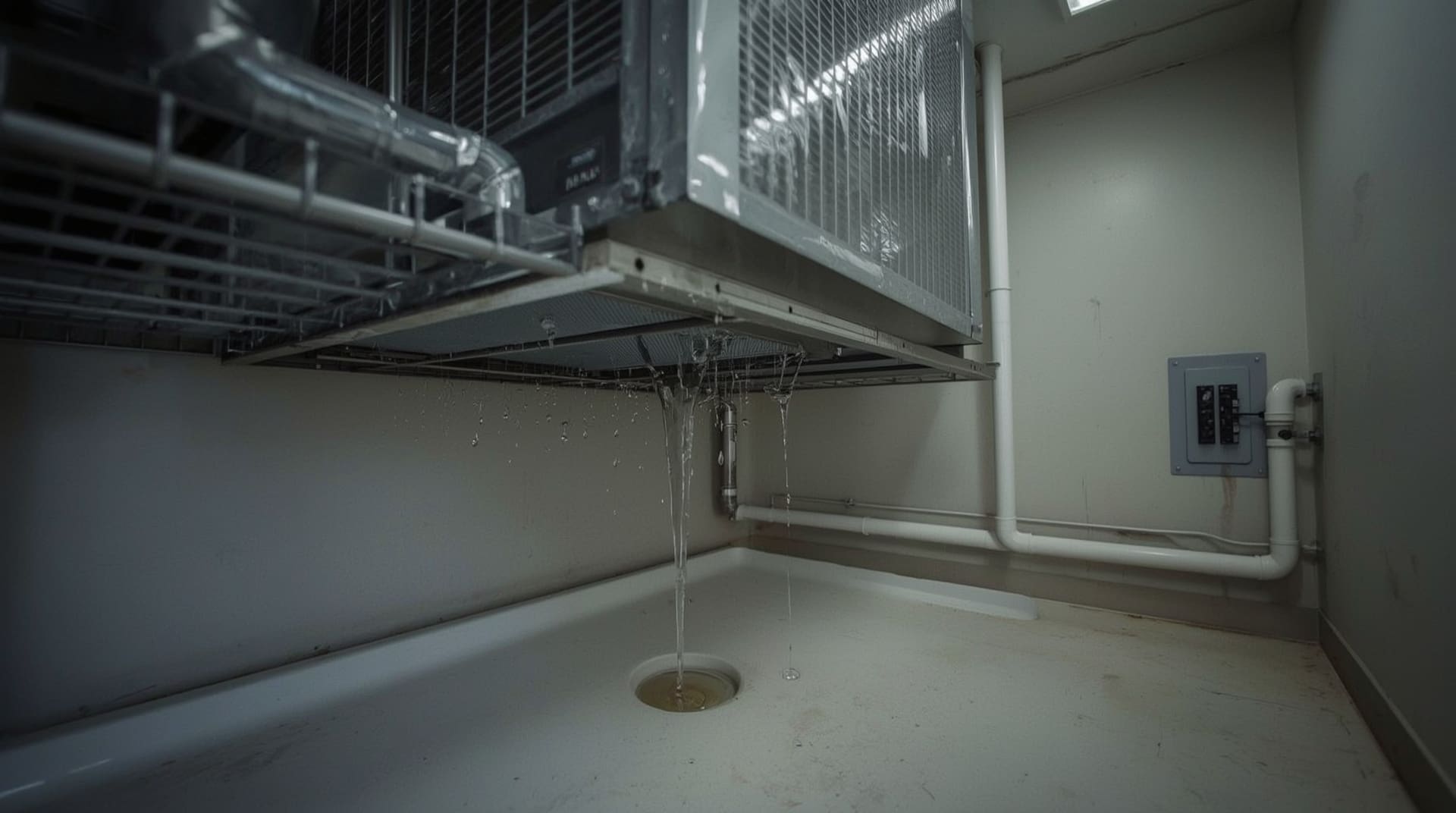
That condensed water drips into a drain pan, then flows out through a condensate drain line. Under normal conditions, this process is invisible and silent. When any part of that drainage path fails, water backs up and eventually overflows. The result is a central AC leaking water inside your home.
The Most Common Causes of a Central AC Leaking Water
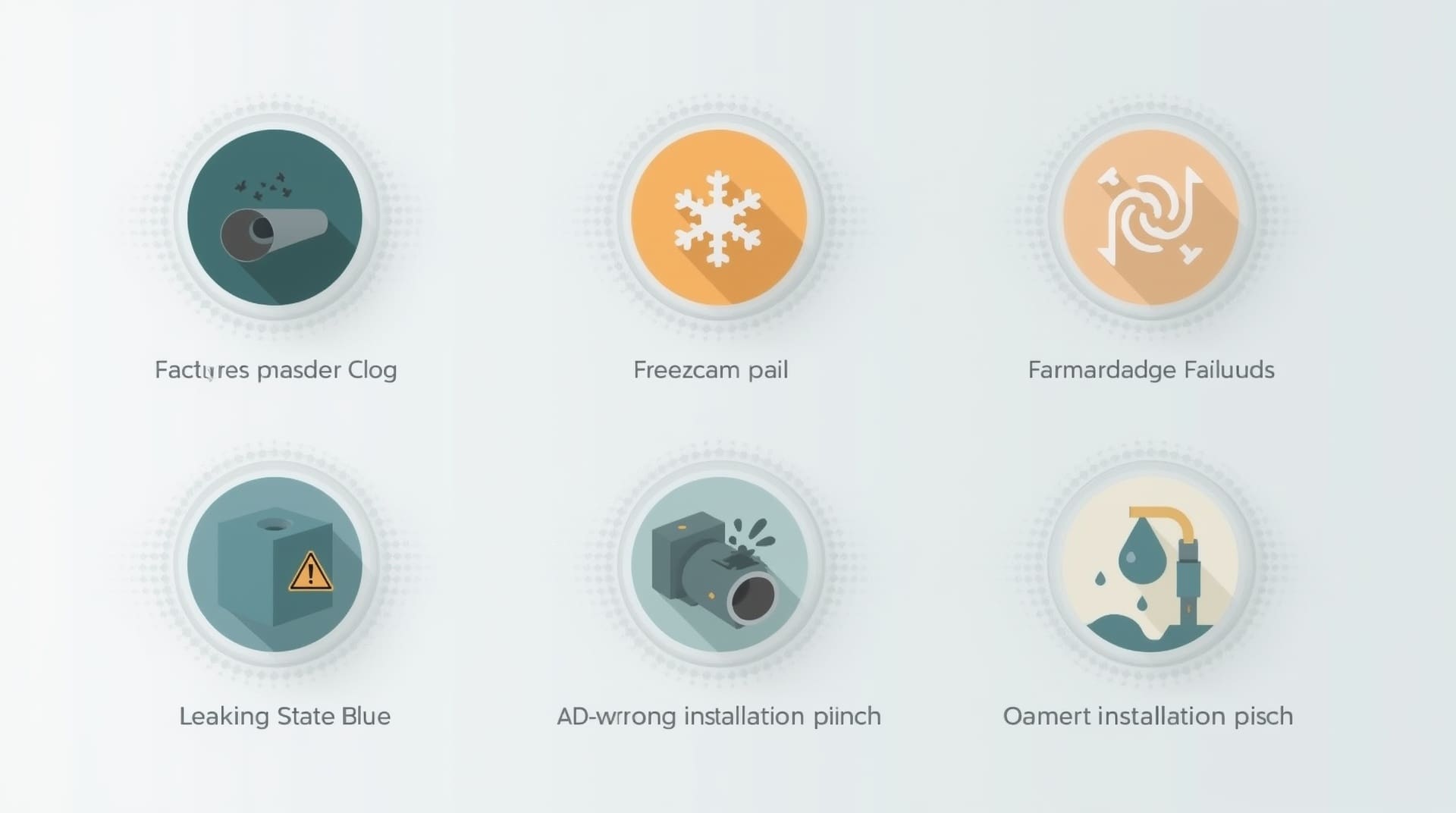
Most leaks trace back to a small set of well-known failure points. Knowing each one helps you identify what you are dealing with before a technician arrives.
1. Clogged Condensate Drain Line
This is the single most common reason for an ac overflow. The condensate drain line carries water away from the drain pan and out of your home. Over time, algae, mold, dirt, and debris build up inside the line and form a blockage. When water has nowhere to go, it backs up into the pan and spills over.
A musty smell near your indoor unit often accompanies a clogged drain. Some systems have a float switch that shuts the unit off when the pan fills up. If your AC stopped working suddenly and you see standing water, a blocked drain line is the first place to check.
2. Dirty or Frozen Evaporator Coil
The evaporator coil sits inside the air handler and absorbs heat from indoor air. When airflow is restricted by a dirty filter or blocked vents, the coil can drop below freezing and develop a layer of ice. When the system cycles off and that ice melts, it releases far more water than the drain pan can handle at once.
Changing your air filter every 30 to 90 days is one of the simplest ways to prevent this problem. A frozen coil can also point to low refrigerant, which is a separate issue that requires a licensed technician.
3. Cracked or Corroded Drain Pan
The secondary drain pan sits beneath the air handler to catch overflow. These pans are usually made of metal or plastic and can crack, rust, or warp over years of use. If the pan itself is damaged, water leaks directly through it rather than draining out properly.
Older systems are especially prone to pan corrosion. A technician can inspect the pan during a routine maintenance visit and replace it before it fails completely.
4. Refrigerant Leak
Low refrigerant causes the evaporator coil to run too cold, which leads to ice buildup and the same melt-off problem described above. A refrigerant leak is also a safety concern because the chemical involved can be harmful. If you notice a hissing sound, reduced cooling performance, or frost on the coil, contact a professional right away.
5. Improper Installation or Incorrect Unit Pitch
A central AC system installed at the wrong angle will not drain correctly. The drain pan needs a slight downward pitch toward the drain outlet so gravity pulls water away. If the unit was installed level or tilted the wrong direction, water pools on the wrong side and eventually overflows. This problem is common in newer installations where the work was rushed.
6. Disconnected or Damaged Drain Line
The condensate drain line can loosen from its fitting over time, especially in systems that vibrate during operation. A line that has simply slipped off its connection will dump water directly onto the floor or into the ceiling cavity. This type of central air leak often looks dramatic but is one of the easier fixes once identified.
| Cause | Key Sign | DIY or Pro? |
|---|---|---|
| Clogged drain line | Standing water, musty odor | DIY possible |
| Frozen evaporator coil | Ice on coil, sudden overflow | Pro recommended |
| Cracked drain pan | Visible crack, constant drip | Pro |
| Refrigerant leak | Hissing, poor cooling, frost | Pro only |
| Wrong installation pitch | Water on wrong side of pan | Pro |
| Disconnected drain line | Water dumping near air handler | DIY or Pro |
Why Humidity Makes Leaks Worse in North Carolina
Cary and the surrounding Triangle area deal with high humidity for much of the year. The more moisture in the air, the more condensation your AC produces every hour it runs. On a humid July afternoon, a residential central AC system can remove several gallons of water from the air each day.
That volume puts extra stress on every part of the drainage system. A drain line that would handle condensation just fine in a dry climate may overflow during a North Carolina heat wave. Seasonal maintenance before summer is one of the most practical ways to prevent a leak during the months when your system works hardest.
Preventive Steps That Stop a Central Air Leak Before It Starts
Most central AC leaks are preventable. A few consistent habits protect your system and your home’s structure from water damage.
- Replace your air filter regularly. A clogged filter restricts airflow and is one of the leading causes of frozen coils. Check it monthly during peak cooling season.
- Flush the condensate drain line. Pouring a cup of distilled white vinegar into the drain access port every few months kills algae and prevents blockages.
- Schedule annual AC maintenance. A technician will inspect the drain pan, test the float switch, check refrigerant levels, and clean the coil.
- Keep vents open and unobstructed. Closing too many supply vents reduces airflow across the evaporator coil and raises the risk of freezing.
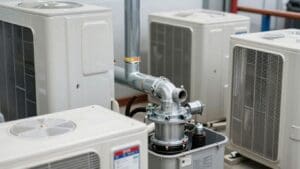
- Install a condensate pump if needed. If your air handler is in a basement or other low spot where gravity drainage is not possible, a condensate pump moves water to a proper drain.
What to Do Right Now If Your AC Is Overflowing
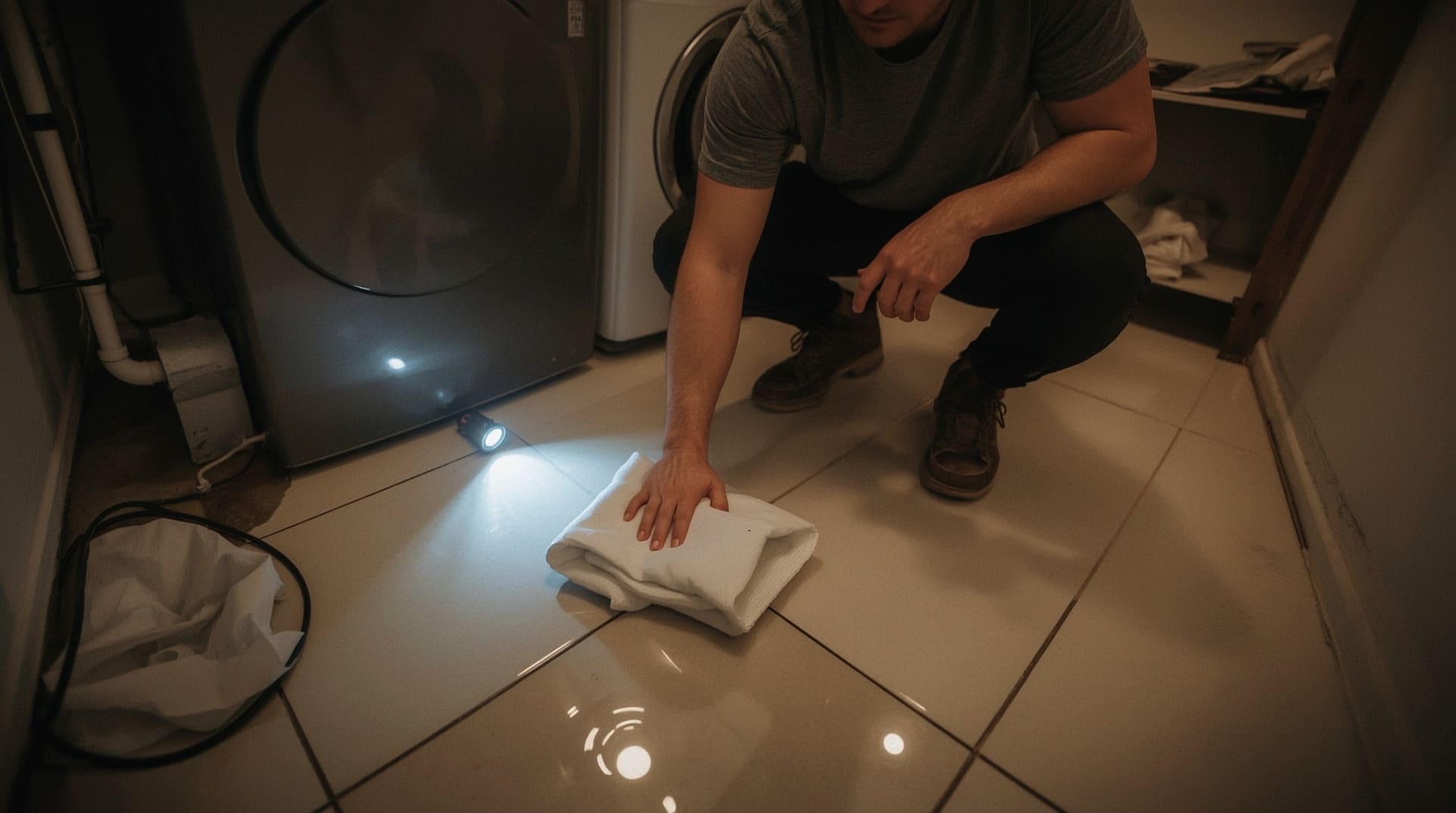
If you find water pooling near your indoor unit, act quickly to limit damage. Follow these steps before calling a technician.
- Turn the system off. Shut the AC off at the thermostat. Running it while it is leaking can worsen the overflow and damage the air handler.
- Soak up standing water. Use towels or a wet vacuum to remove water from the floor, ceiling tiles, or any affected surface. This limits mold growth.
- Check and replace the air filter. A severely clogged filter is often the first clue. If it looks gray and matted, replacing it may unblock airflow and prevent a frozen coil from repeating the issue.
- Locate the drain pan. Look under or near the air handler for the primary drain pan. If it is full, the drain line is likely blocked.
- Try clearing the drain line. If you can locate the condensate drain access cap, try flushing it with water or a wet vac attached to the outdoor drain exit. This clears soft clogs in many cases.
- Call a professional if the problem persists. A refrigerant issue, cracked pan, or frozen coil that keeps coming back needs a licensed technician.
Signs the Problem Is More Serious Than a Simple Clog
Some leaks are minor inconveniences. Others signal deeper system problems that require professional diagnosis. Here are the warning signs that your situation goes beyond a standard drain clog.
- The coil repeatedly freezes even after you replace the filter.
- You hear hissing or bubbling sounds near the refrigerant lines.
- Cooling performance has dropped noticeably over recent weeks.
- The leak started after a new installation or recent service visit.
- Water stains are appearing on ceilings or walls near the air handler.
- Your float switch keeps tripping and shutting the system off.
Any of these signs points to a problem that a DIY fix will not fully resolve. Continuing to run the system in these conditions can damage the air handler motor, the coil itself, or the structure of your home. Getting a professional inspection quickly limits both the repair cost and the potential for mold.
When a Central AC Water Leak Becomes an Emergency
Not every leak needs same-day service, but some situations qualify as a genuine emergency. If water is actively dripping onto electrical components, soaking through a ceiling, or pooling near a finished living space, you should not wait for a standard appointment. Water and electricity together create a serious safety hazard.
Ceiling leaks from a second-floor or attic-mounted air handler are particularly urgent. Drywall absorbs water quickly and begins to weaken within hours. Mold can start growing in as little as 24 to 48 hours in warm, humid conditions. If your home is dealing with that kind of overflow, shutting the system off and calling for emergency HVAC service is the right call.
How Age and System Condition Affect Leak Risk
Older central AC systems have a higher leak risk because multiple components degrade over time. Drain pans corrode. Drain lines develop hard mineral deposits that a simple vinegar flush cannot remove. Float switches wear out and stop working when you need them most.
A system older than 10 to 15 years that has started leaking may also be approaching the end of its useful life. A qualified technician can help you weigh the cost of repairs against the value of replacing the unit. Sometimes a recurring central air leak is the first visible sign that a system is nearing retirement. Resources like the HVAC repair vs replacement guide can help you think through that decision before committing to costly repairs on an aging unit.
Maintenance Agreements and Long-Term Leak Prevention
One of the most effective ways to prevent a central AC leaking water situation is to sign up for a seasonal maintenance plan. These agreements typically include two visits per year, one before cooling season and one before heating season. During each visit, a technician cleans the drain line, inspects the pan, checks refrigerant levels, and tests all the safety switches.
For homeowners in Cary and nearby communities, a maintenance agreement removes the guesswork. You do not have to remember to schedule a checkup or wonder whether your drain line is clear. The technician handles it on a set schedule so small issues get caught before they turn into water damage.
Final Thoughts on Central AC Leaking Water
A central AC leaking water is almost always a sign that something in the drainage system has failed, frozen, or become clogged. The causes range from a blocked condensate line you can flush yourself to a refrigerant problem that requires a licensed professional. Acting quickly, even if it is just turning the unit off and soaking up water, limits damage every time.
Regular maintenance is your best long-term defense. Replacing filters, flushing drain lines, and scheduling annual service catches problems before they overflow. If you are seeing water around your indoor unit and you are not sure what is causing it, a professional inspection is the fastest way to get a clear answer and a lasting fix.
Frequently Asked Questions About Central AC Leaking Water
Is it safe to run my AC if it is leaking water?
No. You should turn the system off until you identify and fix the cause. Running a leaking AC can worsen the overflow, damage the air handler, and allow water to reach electrical components. It also accelerates mold growth in any wet area nearby.
How much water is normal for a central AC to drain?
A central AC system typically removes between one and five gallons of water per day, depending on humidity levels and how long the unit runs. All of that water should exit through the condensate drain line without any visible dripping inside your home. If you see water pooling indoors, the drainage system is not working correctly.
Can I unclog the condensate drain line myself?
Yes, in many cases. You can try flushing the line with distilled white vinegar or using a wet vacuum to pull a soft clog free from the outdoor drain exit. If the clog is stubborn or if the line is cracked or disconnected, you will need a professional. A technician has the tools to clear hard mineral deposits that home methods cannot reach.
Why does my AC keep leaking even after I replaced the filter?
A new filter helps with airflow but does not fix every cause of leaking. If the drain line was already clogged before you changed the filter, the overflow will continue. A cracked drain pan, low refrigerant, or a frozen coil that is thawing out can all cause continued leaking. If the problem persists after a filter change, have a technician inspect the full drainage system and the evaporator coil.
How often should I have my condensate drain line cleaned?
Flushing the line with vinegar every three months is a good habit for most homeowners. In humid climates like central North Carolina, algae grows fast and can block a line within a single cooling season. A professional cleaning during your annual AC maintenance visit ensures the line is fully clear and that the drain pan and float switch are also in good condition.