
Finding a puddle under your AC unit is one of the most unsettling surprises a homeowner can face. If your AC is leaking water, the problem is almost always fixable, but ignoring it can lead to water damage, mold growth, and a complete system breakdown. Acting fast saves you money and keeps your home comfortable.
Most cases of ac leaking water trace back to a handful of common causes: a clogged drain line, a dirty air filter, a frozen coil, or low refrigerant. This guide walks you through every cause, how to spot it, and exactly what to do next, whether that means a quick DIY fix or calling a licensed HVAC technician.
| Need AC repair help? Our licensed HVAC technicians diagnose and repair AC water leaks fast. Contact us today to schedule your service appointment. |
How Your AC Manages Water During Normal Operation
Before you can understand why your AC leaks, you need to know how it handles water on a normal day. Your air conditioner pulls warm, humid air from your home and passes it over a cold component called the evaporator coil. This process cools the air and strips moisture from it, similar to how a cold glass sweats on a hot day.
That moisture drips off the coil into a drain pan, flows through a condensate drain line, and exits your home safely. When any part of this system gets blocked, damaged, or overwhelmed, water has nowhere to go and ends up on your floor instead.
The Three-Part Drainage System
- Evaporator coil: the cold surface where moisture condenses out of the air
- Drain pan (also called a drip pan): the collection tray sitting directly below the coil
- Condensate drain line: the pipe that carries water from the pan outside or to a household drain
A Dirty Air Filter Is the Most Common Culprit
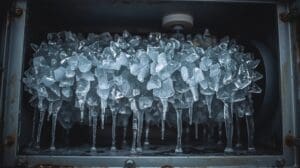
A clogged air filter restricts the airflow that your system needs to function properly. When airflow drops, the evaporator coil gets too cold and can ice over. Once the unit cycles off or temperatures shift, that ice melts quickly and produces more water than the drain pan can handle.
Check your filter first. If it looks gray, packed with dust, or visibly clogged, replace it before doing anything else. A standard 1-inch filter should be replaced every 30 to 90 days depending on your household. Homes with pets or allergies may need monthly changes.
Signs a Dirty Filter Is Causing Your Leak
- Reduced airflow from your vents
- Ice visible on the refrigerant lines or coil
- AC running longer than usual to cool your home
- Water leak that appears several hours after the unit has been running
A Clogged Condensate Drain Line Tops the List of Repair Calls
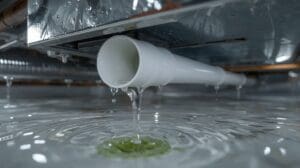
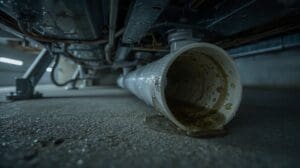
The condensate drain line is a narrow PVC pipe, usually about three-quarters of an inch in diameter. It gets dirty fast. Algae, mold, dust, and debris build up inside the pipe over time until water can no longer flow through it. When the line clogs, the drain pan fills up and overflows onto your floor.
This is one of the most common reasons for a central AC leaking water and one of the easiest to fix yourself if you catch it early. Many HVAC systems include a float switch that shuts the unit down before a clogged line causes overflow. If your AC stopped cooling suddenly and you see standing water in the pan, a clogged line is the likely reason.
How to Clear a Clogged Drain Line Yourself
- Locate the access point, usually a small cap or T-shaped vent near the air handler.
- Pour a quarter-cup of distilled white vinegar into the drain line opening.
- Let it sit for 30 minutes, then flush with warm water.
- Use a wet-dry vacuum at the outdoor drain outlet to suction out the clog if flushing fails.
- Repeat every three to six months as routine maintenance.
A Frozen Evaporator Coil Creates a Major Water Problem
A frozen evaporator coil is one of the more dramatic reasons behind an air conditioner leaking water. When airflow is restricted or refrigerant levels drop too low, the coil surface temperature falls below freezing and ice builds up on the coil. The unit looks fine from the outside until the ice melts. Then, the water volume overwhelms the drain pan and you end up with a significant leak.
If you open your air handler and see ice anywhere on the unit, shut the system off immediately. Running a frozen AC can damage the compressor, the most expensive component to replace. Switch the unit to fan-only mode to help the ice melt safely into the drain pan, or simply turn the system off and open the air handler access panel to let it thaw naturally.
What Causes a Coil to Freeze
- Dirty or missing air filter blocking airflow
- Blocked or closed supply and return vents
- Low refrigerant due to a leak in the system
- Running the AC when outdoor temperatures drop below 60 degrees Fahrenheit
- A failing blower motor not moving enough air across the coil
Low Refrigerant Causes Both Freezing and Water Leaks
Refrigerant is the substance that makes your AC cold. It cycles through your system in a closed loop and should never run low unless there is a leak somewhere in the lines or coil. When refrigerant levels drop, the coil pressure falls and the coil temperature drops below freezing, exactly the condition that leads to ice buildup and then a flood when it thaws.
You cannot fix a refrigerant issue yourself. Handling refrigerant requires an EPA Section 608 certification. A licensed HVAC technician will find the leak, repair it, and then recharge the system to the correct level. Simply adding refrigerant without fixing the leak is a temporary fix that will fail again quickly.
Signs of Low Refrigerant Beyond Water Leaks
- AC blows air that never gets fully cold
- Hissing or bubbling sounds from the refrigerant lines
- Ice forming on the copper lines running from the outdoor unit
- Higher-than-normal electricity bills from the system working harder
A Damaged or Corroded Drain Pan Lets Water Escape
The drain pan sits below the evaporator coil and collects every drop of condensate your system produces. Most pans are made of sheet metal or plastic. Metal pans corrode over time, and plastic pans can crack, especially in older systems or in attics with wide temperature swings. A small crack or rust hole is enough to let water drip through before it ever reaches the drain line.
Inspect your drain pan by looking under the air handler with a flashlight. Standing water, rust stains, or visible cracks are all signs the pan has failed. Some pans can be sealed temporarily with waterproof HVAC sealant, but replacement is the proper long-term fix. This is generally a straightforward repair for a technician and is not expensive.
Improper Installation Creates Drainage Problems From Day One
A central air conditioner that was not installed level will have drainage issues from the start. The unit and drain pan must sit at a slight angle so gravity carries water toward the drain line outlet. If the system is even slightly off-level, water pools on the wrong side of the pan and eventually overflows, even when the drain line itself is clear.
This problem is most common after a recent installation or system replacement. If your unit is brand new and already leaking, call the installer back. The fix usually involves adjusting the mounting bracket or platform under the air handler.
Other Installation Errors That Cause Leaks
- Drain line installed without enough slope to carry water downhill
- Improperly connected or loose drain fittings
- Wrong size unit for the space, causing the coil to over-produce condensation
Mini-Split Systems Have Their Own Leak Causes
Ductless mini-split systems are gaining popularity, and they have their own set of condensate issues. If you have a mini split leaking water indoors, the cause is usually a blocked drain hose inside the wall, a dirty indoor unit blower wheel that flings water before it drips into the pan, or an improper installation angle for the indoor head unit.
Cleaning the indoor unit filter and blower wheel every few months prevents most mini-split leaks. If the indoor unit drips water directly from the front panel during operation, the drain hose is almost always blocked. This usually requires opening the indoor unit, so many homeowners prefer to call a technician for this specific repair.
AC Water Leak Quick-Reference Guide
| Cause | Who Fixes It | Time to Fix | Typical Cost |
| Dirty air filter | DIY | Immediate | Free (replace filter) |
| Clogged drain line | DIY/Pro | 1 hour | Low |
| Low refrigerant | Pro only | Same day | Medium to High |
| Frozen evaporator coil | DIY/Pro | 24-48 hours | Low to High |
| Damaged drain pan | Pro | 1-2 hours | Low to Medium |
| Improper installation | Pro | Half day | Medium |
| Disconnected drain line | DIY/Pro | 1-2 hours | Low |
Knowing When to DIY and When to Call a Professional
Some AC water leak repairs are genuinely simple and safe for any homeowner to handle. Others involve refrigerant, electrical components, or structural issues that require professional equipment and licensing.
Safe DIY Repairs
- Replacing a dirty air filter
- Flushing a clogged drain line with vinegar or a wet-dry vacuum
- Letting a frozen coil thaw safely by shutting the unit off
- Checking that all supply and return vents are open and unblocked
- Inspecting the drain pan for obvious cracks or rust holes
Always Call a Licensed HVAC Technician For
- Any suspected refrigerant leak or low refrigerant level
- Replacing or repairing a damaged drain pan in a hard-to-reach location
- Investigating a leak that returns after you clear the drain line
- Electrical component issues related to the float switch or blower motor
- A frozen coil that does not have an obvious cause like a dirty filter
Preventing AC Water Leaks With Routine Maintenance
The best way to stop your AC from leaking water is to perform regular maintenance before problems start. Most ac water leak situations are preventable with a simple seasonal routine that takes less than an hour per year.
Monthly Tasks
- Check and replace your air filter if it looks dirty
- Verify that supply and return vents are open and unobstructed
Quarterly Tasks
- Pour a quarter-cup of white vinegar into the condensate drain line access port
- Check the drain pan for standing water, rust, or cracks
- Clean the outdoor condenser unit of leaves, grass clippings, and debris
Annual Tasks (Preferably Before Cooling Season)
- Schedule a full HVAC tune-up with a licensed technician
- Have the evaporator coil inspected and cleaned
- Have refrigerant levels checked and verified
- Inspect all drain line fittings and connections for security
The Hidden Risks of Ignoring an AC Water Leak
Water damage from a leaking AC accumulates faster than most homeowners expect. A single slow drip from an overflowing drain pan can saturate ceiling drywall, soak insulation, and create the damp environment that mold and mildew need to take hold. In attic-mounted systems, a sustained leak can compromise roof structure and insulation, turning a minor repair into a major renovation.
Mold is the most serious long-term risk. Some mold species begin colonizing within 24 to 48 hours on wet drywall. If you find water damage near your air handler, address the HVAC problem first and then inspect the surrounding material carefully. Any drywall or insulation that stayed wet for more than 48 hours should be inspected by a remediation professional.
Check your homeowner’s insurance policy as well. Some policies cover sudden and accidental water discharge from HVAC systems, but most exclude damage from slow leaks that went unaddressed. Documenting the leak and having it repaired promptly protects your claim if damage has already occurred.
Final Thoughts on AC Leaking Water
A leaking air conditioner is rarely a catastrophe if you catch it early. The most common causes, including dirty filters, clogged drain lines, and frozen coils, are straightforward to diagnose and often fixable without calling anyone. Starting with the filter and the drain line handles the majority of residential AC water leak situations quickly and at minimal cost.
When the simple fixes do not resolve the problem, or when you suspect refrigerant is involved, stop and call a licensed HVAC technician. Attempting refrigerant work without proper certification is both dangerous and illegal. A qualified technician can diagnose the problem accurately, fix it right the first time, and help you set up a maintenance schedule that prevents the same issue from coming back next season.
Frequently Asked Questions About AC Leaking Water
Is it safe to run my AC if it is leaking water?
It depends on the cause. If you see ice on the coil or lines, shut the system off immediately to protect the compressor. For a small drip from a clogged drain line with no ice present, the unit can run briefly while you arrange a repair, but do not leave it running unattended. Continued operation with standing water risks electrical damage and mold growth.
How much does it cost to fix an AC water leak?
The cost ranges widely based on the cause. Clearing a clogged drain line yourself costs nothing beyond a bottle of vinegar. Professional drain line clearing typically runs between $75 and $200. Refrigerant leak repairs range from a few hundred dollars to over $1,000 depending on the location and severity of the leak. Replacing a damaged drain pan usually costs $100 to $300 in parts and labor.
Why is my AC leaking water only when it rains?
If water appears near your AC unit only during heavy rain, the source may not be the AC at all. Check for roof leaks, window seal failures, or condensation from the drain line exit point being blocked by debris outside. A true AC condensate leak occurs any time the unit runs, regardless of weather. If it only happens when it rains, investigate your roof, windows, and exterior walls near the unit first.
How often should I flush the condensate drain line?
Flushing the drain line with white vinegar every three months is a reliable preventive routine for most homes. Homes in humid climates, or homes where the AC runs nearly year-round, benefit from monthly flushing because algae and mold grow faster in consistently warm, moist drain lines. Adding a drain line treatment tablet available at most hardware stores can extend the time between flushes.
Can a leaking AC cause mold in my home?
Yes, and it is one of the most serious risks of a neglected AC water leak. Mold spores are present in virtually every home, and they only need moisture and an organic surface to begin growing. Wet drywall, wet insulation, and wet wood framing near your air handler are all ideal mold substrates. Any area that remained wet for more than 48 hours should be inspected by a mold remediation professional before you simply dry it out and close the wall.