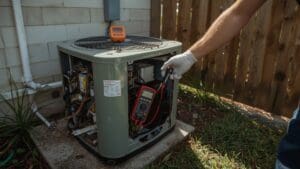

An air conditioner leaking water is one of the most common calls HVAC technicians receive, especially during a hot North Carolina summer. Water pooling under your unit or dripping from your indoor air handler is a sign that something in your system needs attention. The good news is that many causes are straightforward to identify and fix.
This guide walks you through every major reason your AC drips or pools water, what you can do right now, and when it is time to call in a professional. Catching the problem early can protect your home from water damage, mold growth, and a complete system breakdown.
Ready to learn more? If you need fast, reliable help, our team provides professional AC repair in Cary and the surrounding area to get your system running right again.
Why Your Air Conditioner Leaking Water Is Never Normal
Your AC system does collect moisture as part of normal operation. Warm, humid air passes over the cold evaporator coil, and water vapor condenses on that coil, just like a cold glass sweats on a warm day. That condensation is supposed to drip into a drain pan and flow out through a drain line. When water appears somewhere other than the designated exit point, something has gone wrong.
A small amount of condensation on the outside of the unit on a very humid day can be normal. But water under ac equipment, water dripping from your vents, or a visible puddle inside your home always signals a problem worth diagnosing.
The Most Common Causes of a Leaking AC Unit
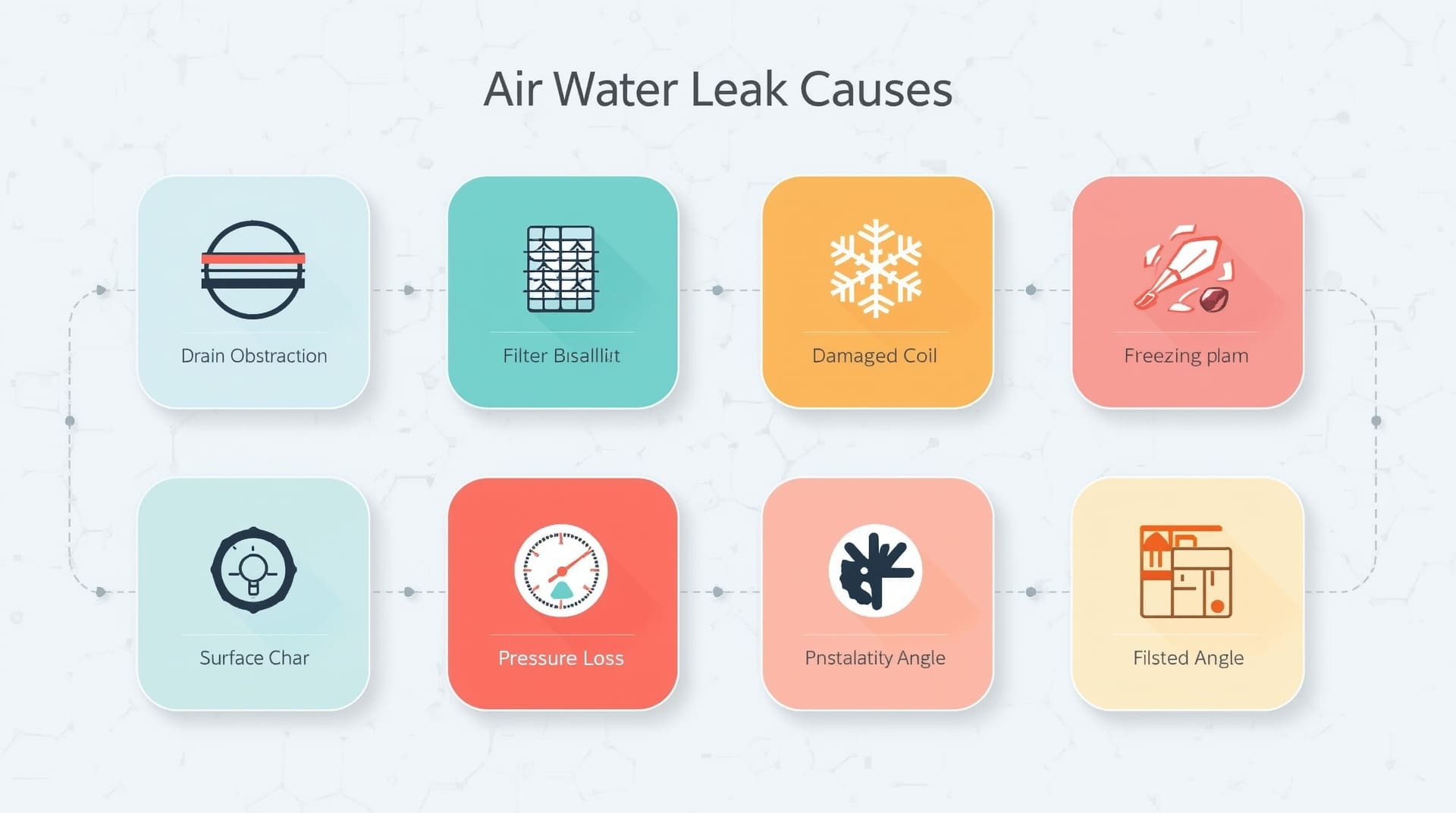
Most water leak calls trace back to one of a handful of root causes. Understanding each one helps you figure out which problem you are dealing with before you pick up a tool or call a technician.
| Cause | DIY Friendly? | Urgency Level |
|---|---|---|
| Clogged condensate drain line | Yes | Moderate |
| Dirty or clogged air filter | Yes | Moderate |
| Frozen evaporator coil | Partial | High |
| Cracked or overflowing drain pan | Partial | Moderate |
| Low refrigerant charge | No | High |
| Improper installation or pitch | No | Moderate |
A Clogged Condensate Drain Line Is the Number One Culprit
The condensate drain line is a small PVC pipe that carries water from the drain pan to the outside of your home. Over time, algae, mold, dirt, and debris build up inside that pipe and create a blockage. Once the line is clogged, water backs up into the drain pan and eventually overflows onto your floor or ceiling.
You can often clear a minor clog yourself. Turn off the system at the thermostat. Locate the drain line access point, which is usually a capped PVC pipe near your indoor air handler. Pour a cup of distilled white vinegar slowly into the line and let it sit for 30 minutes. Then flush with clean water. For stubborn clogs, a wet/dry vacuum placed over the exterior drain line opening can pull the blockage out.
Pouring a small amount of vinegar down the drain line every few months is one of the easiest ways to keep it clear. This simple habit can prevent most cases of ac dripping caused by organic buildup.
How a Dirty Air Filter Causes Water Leaks
A clogged air filter blocks airflow across the evaporator coil. When airflow drops too low, the coil gets too cold and freezes solid. Once the system cycles off or the coil gets cold enough, it shuts down. When the ice melts, it produces far more water than the drain pan can handle, and you end up with a puddle on the floor.
Check your filter first. If it looks gray, matted, or you cannot see light through it, replace it immediately. Most standard filters in a North Carolina home should be replaced every 30 to 90 days depending on pets, dust levels, and the filter’s MERV rating. MERV stands for Minimum Efficiency Reporting Value and simply measures how fine a filter’s mesh is. Higher MERV ratings trap smaller particles but also restrict airflow more, so balance filtration with airflow when choosing a filter.
A Frozen Evaporator Coil and What It Means for Your System
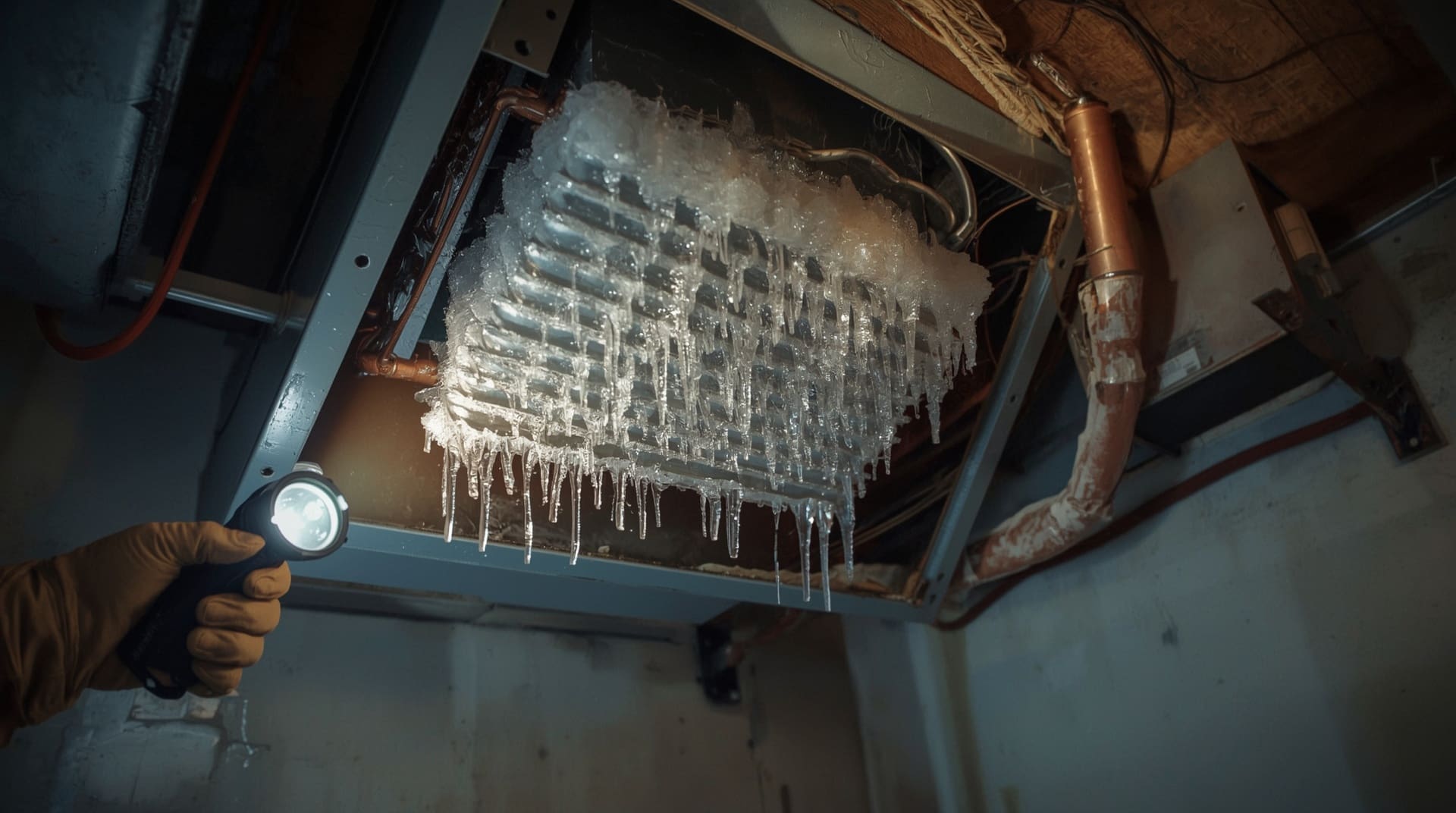
A frozen evaporator coil is the result, not just the cause, of a water leak. The coil freezes because something is already wrong, such as restricted airflow, low refrigerant, or a dirty coil surface. Once frozen, the ice melts slowly and overwhelms the drain pan. You may notice the coil is frozen if ice appears on the refrigerant lines running out of your indoor unit.
If you spot a frozen coil, turn the system to “fan only” mode at the thermostat. This lets the coil thaw without running the compressor. Do not run the AC in cooling mode while the coil is frozen. After two to three hours, check whether the coil has fully thawed. Replace the filter, clear the drain line, and restart the system. If the coil freezes again, you likely have a refrigerant issue that requires a licensed technician.
Low Refrigerant Can Trigger an Air Conditioner Leaking Water
Refrigerant is the substance that absorbs heat from your indoor air and carries it outside. When refrigerant levels drop, the evaporator coil runs at a lower pressure than designed. That causes the coil surface to get colder than normal, which leads to freezing and eventually a water leak when the ice melts.
Low refrigerant is never a simple top-off job. Refrigerant does not get “used up” like gasoline. If levels are low, there is a leak somewhere in the system. A certified HVAC technician must find the leak, repair it, and then recharge the system to the correct level. Attempting to add refrigerant without fixing the leak is a temporary fix that wastes money and can damage the compressor.
A Cracked or Overflowing Drain Pan Needs Immediate Attention
Your system has two drain pans. The primary pan sits directly under the evaporator coil and drains continuously. The secondary pan, sometimes called the overflow pan, sits below the primary and is designed to catch water only if the primary fails. If you see water in the secondary pan, the primary pan or drain line has already failed and your system needs service right away.
Inspect the primary pan for cracks, rust, or holes. A temporary fix is to seal small cracks with waterproof epoxy or drain pan sealant tablets, which dissolve slowly and help keep the drain line clear. But a cracked pan is a sign of age and corrosion. If your unit is older, a replacement may be the smarter long-term investment.
Routine AC Maintenance Prevents Most Water Leak Problems
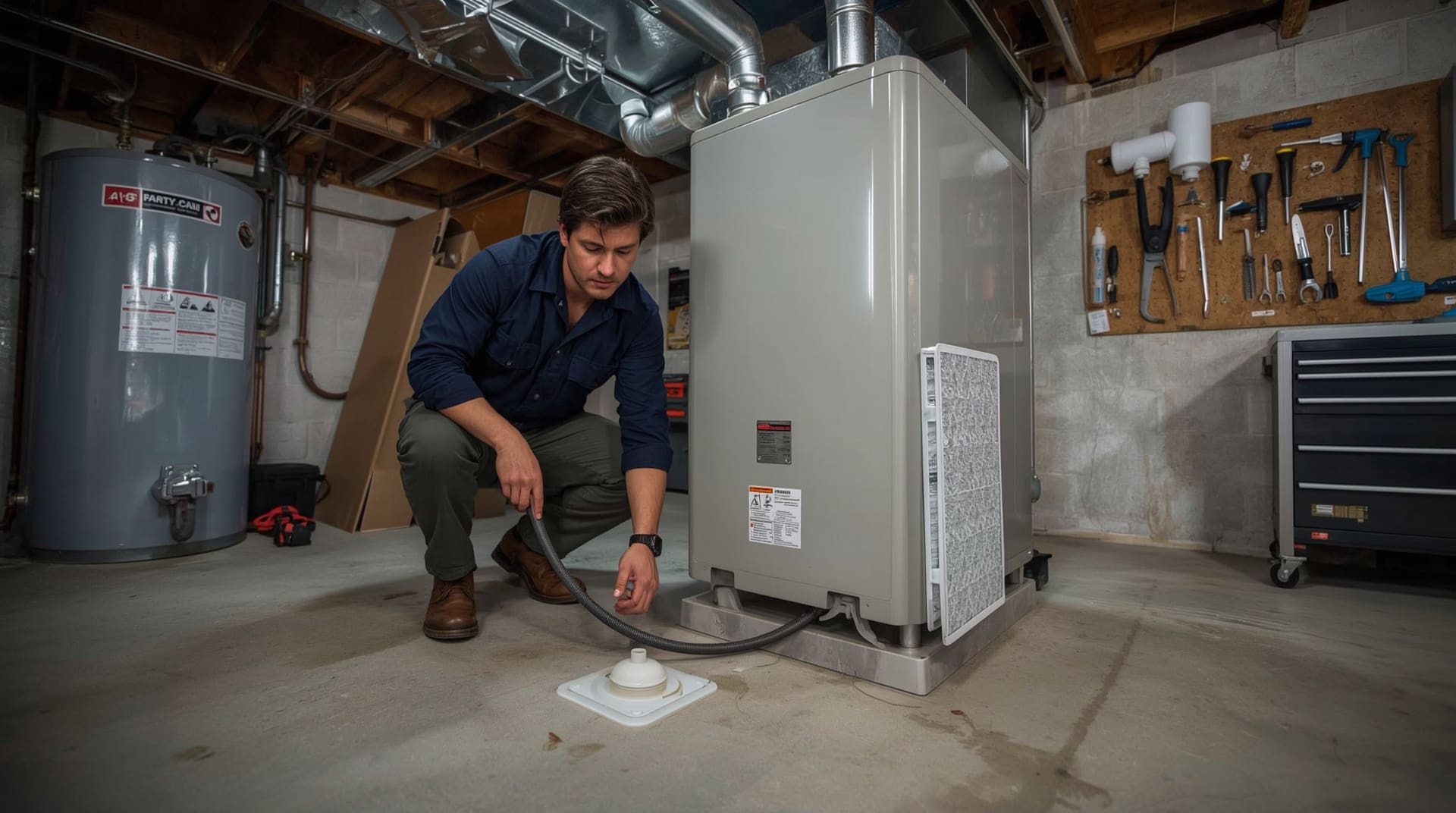
The majority of water leak calls are preventable with consistent maintenance. A professional tune-up covers all the components most likely to cause a leak: filter inspection, condensate drain flush, coil cleaning, refrigerant level check, and drain pan inspection. Scheduling a maintenance visit once a year, ideally in spring before the cooling season starts, keeps all these parts in working order.
Beyond the annual professional visit, there are things you can do every month. Change or inspect the filter, check that the area around the indoor unit is clear of debris, and listen for unusual sounds or smells when the system runs. These habits take minutes and can prevent costly water damage to your floors, ceilings, and walls.
Improper Installation Can Cause Ongoing Leaking
If your system was installed with the air handler tilted even slightly in the wrong direction, the condensate drain pan will not drain properly. Water will pool on one side and eventually overflow. This is more common after a system replacement where the new unit has slightly different dimensions than the old one.
You may also see leaks if the condensate drain line was connected with poor fittings or if it was not pitched correctly toward the exit point. Water must flow downhill to drain. Even a short section of drain line that slopes upward traps water and creates a blockage point. These are installation errors that require a qualified technician to diagnose and correct.
When to Call a Professional Instead of DIYing the Fix
Some fixes are well within reach for most homeowners. Changing a filter, flushing a drain line with vinegar, and thawing a frozen coil are all reasonable DIY tasks. But certain situations call for a licensed HVAC technician right away.
- The coil refreezes after thawing and filter replacement. This points to refrigerant or airflow issues beyond a simple fix.
- Water is dripping from your ceiling or has already caused visible damage. The secondary drain pan may be overflowing, meaning the primary system failed first.
- You hear hissing or bubbling sounds near the refrigerant lines. These are signs of a refrigerant leak, which requires a certified technician to handle legally and safely.
- The leak returns within a few days after you clear the drain. A persistent clog may be caused by a collapsed line or a deeper blockage requiring specialized equipment.
- Your system is more than 10 to 15 years old and leaking frequently. Repeated leaks on an aging system may signal that it is nearing the end of its useful life.
Do not ignore a water leak because it seems minor. Even a slow drip can cause significant structural damage, mold growth, and electrical hazards over a few weeks.
What to Do Right Now If You Find Water Under Your AC
The moment you spot water under ac equipment or dripping from your unit, there are a few immediate steps to protect your home. First, turn the system off at the thermostat. Running a leaking system can worsen a frozen coil, overflow the drain pan further, and risk electrical damage from water contact.
Next, soak up standing water with towels and set up a fan to dry the area. If water has reached drywall, flooring, or insulation, document it with photos before cleanup in case you need to file a home insurance claim. Then inspect the filter, check the drain line access cap for visible blockage, and look at both drain pans. Based on what you find, you can either attempt the DIY steps above or call for professional service.
Final Thoughts on Air Conditioner Leaking Water
An air conditioner leaking water is usually a fixable problem, especially when you catch it early. A clogged drain line or dirty filter causes most leaks, and both are things you can address in under an hour. For anything involving refrigerant, frozen coils that keep returning, or installation errors, a licensed HVAC technician is the right call.
Staying ahead of the problem with regular maintenance is always the smarter path. Schedule your annual AC tune-up, change filters on a consistent schedule, and flush your drain line a few times per year. These simple habits protect your equipment, your home, and your comfort through every North Carolina summer.
Frequently Asked Questions About Air Conditioner Leaking Water
Is it safe to run my AC if it is leaking water?
You should turn the system off as soon as you notice a significant water leak. Running the system with a clogged drain line or frozen coil can worsen the problem and cause water damage to your home. A brief test run to confirm the issue is okay, but leave the unit off until you have identified and addressed the cause.
How much does it cost to fix an AC water leak?
Cost depends on the cause. Clearing a clogged drain line typically runs between $75 and $200 if done by a technician. A refrigerant leak repair and recharge can range from a few hundred to over a thousand dollars depending on the refrigerant type and the severity of the leak. A cracked drain pan replacement usually falls in the $100 to $300 range for parts and labor.
How often should I flush my condensate drain line?
Flushing the drain line with vinegar every three months is a good standard for most homes. Homes in humid climates, like Cary, North Carolina, may benefit from flushing every two months during the peak cooling season. More frequent maintenance reduces the chance of algae and mold buildup, which are the primary causes of drain line clogs.
Why does my AC only leak water on very hot days?
On extremely hot or humid days, your system runs longer and produces more condensation than usual. A drain line that is partially blocked may handle normal condensation loads but overflow when the volume increases. This is a sign that your drain line needs cleaning even if it has not caused a full backup yet.
Can a leaking AC cause mold in my home?
Yes, standing water from a leaking AC creates ideal conditions for mold growth, especially in enclosed spaces like utility closets, attics, or crawl spaces. Mold can begin forming within 24 to 48 hours of water exposure. Drying the area thoroughly and fixing the leak quickly are the best ways to prevent mold from becoming a secondary problem.