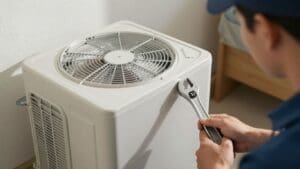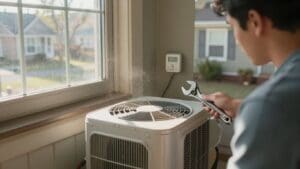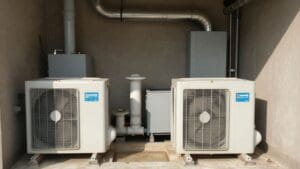

A frozen coil is one of the most common reasons a central air conditioner stops cooling your home. Ice forms on the evaporator coil inside your air handler, blocking heat transfer and eventually shutting the system down. The frustrating part is that the problem rarely looks dramatic at first. Your AC just blows warm air or runs nonstop, and you may not notice anything wrong until you check the unit.
Understanding why ac coil freezing happens puts you in a much better position to prevent it. This guide covers every major cause, what the ice actually does to your system, and the steps you can take to keep it from coming back. Whether you are dealing with it right now or want to get ahead of the problem, the information here will help.
Ready to learn more? Visit our AC services page to see how we help homeowners in Cary, NC keep their systems running at peak performance.
How Your AC Coil Works and Why It Can Freeze
The evaporator coil sits inside your air handler or furnace cabinet. Refrigerant flows through it at very low pressure, which makes the coil surface extremely cold. Warm indoor air passes over the coil, heat is absorbed, and cooled air gets pushed back into your home through the ductwork.
For this process to work, the coil needs a steady supply of warm air moving across it. When that airflow drops, or when refrigerant levels fall too low, the coil surface drops below 32 degrees Fahrenheit. Moisture from the humid air then freezes directly onto the coil. Once ice on coil surfaces starts building up, it acts as an insulating layer that makes the problem worse by the minute.
In North Carolina, where summer humidity is high, moisture in the air is abundant. That means a Cary home with even a minor airflow issue can develop a frozen coil much faster than a home in a drier climate.
The Most Common Causes of a Frozen Coil

Most frozen coil situations trace back to one of a handful of root causes. Knowing which one applies to your situation helps you decide whether this is a quick DIY fix or a job for a professional technician.
1. Restricted Airflow From a Dirty Filter
A clogged air filter is the single most frequent cause of a frozen coil. When the filter is packed with dust and debris, air cannot move freely across the evaporator coil. The coil gets too cold, moisture freezes, and ice builds rapidly. Most manufacturers recommend changing or cleaning your filter every one to three months, depending on household conditions.
2. Low Refrigerant Charge
Refrigerant is the fluid that absorbs heat from your home. When the charge is low, usually because of a leak, pressure inside the coil drops below normal. That pressure drop causes the coil temperature to fall well below freezing. Low refrigerant is not something you can top off yourself. A licensed HVAC technician must locate the leak, repair it, and recharge the system.
3. Blocked or Closed Vents
Closing supply vents in unused rooms might seem like a way to save energy, but it restricts total airflow across the coil. The same problem happens when furniture covers floor vents or when return air grilles get blocked by stored items. Even partially blocked vents in a Cary home can tip the balance toward ac coil freezing on a hot, humid afternoon.
4. A Dirty Evaporator Coil
Over time, dust and grime coat the coil surface. This layer insulates the coil from the warm airflow that should be keeping it above freezing. A dirty coil also reduces the system’s overall efficiency. Annual professional cleaning during a maintenance visit removes this buildup before it becomes a freezing risk.
5. A Malfunctioning Blower Fan
The blower fan is responsible for moving air across the coil continuously. If the fan motor is weak, the capacitor is failing, or a belt has worn out, airflow drops even if the filter is clean and the vents are open. A noisy blower or one that seems to run sluggishly is a warning sign worth investigating before it leads to a frozen coil.
6. Running the AC in Cold Outdoor Temperatures
Standard central air conditioners are not designed to operate when outdoor temperatures fall below about 60 degrees Fahrenheit. Running the system on a cool spring or fall night in the Triangle area can cause the coil temperature to drop too low, leading to rapid ice formation. If you need year-round climate control, a heat pump is a better tool for mild weather.
| Cause | DIY Fix? | Professional Needed? |
|---|---|---|
| Dirty air filter | Yes | No |
| Low refrigerant | No | Yes |
| Blocked vents | Yes | No |
| Dirty evaporator coil | Partial | Recommended |
| Malfunctioning blower fan | No | Yes |
| Running AC in cold weather | Yes (turn it off) | If damage occurred |
What a Frozen Coil Actually Does to Your System
Ice on the coil does not just reduce cooling. It sets off a chain reaction that can damage expensive components if you leave it unaddressed. Understanding the risks helps you act quickly when you spot the warning signs.
As ice builds, airflow drops further. Less airflow means the coil gets even colder. More ice forms. Eventually the entire coil and the surrounding cabinet can become a solid block of ice. At that stage, no air moves at all, and the compressor starts working under extreme strain.
The compressor is the most expensive component in your AC system. When refrigerant returns to it as a liquid instead of a gas, a condition called liquid slugging, the compressor can suffer internal damage. Repairing or replacing a compressor is a significant expense that proper prevention can help you avoid.
How to Thaw a Frozen Coil Safely
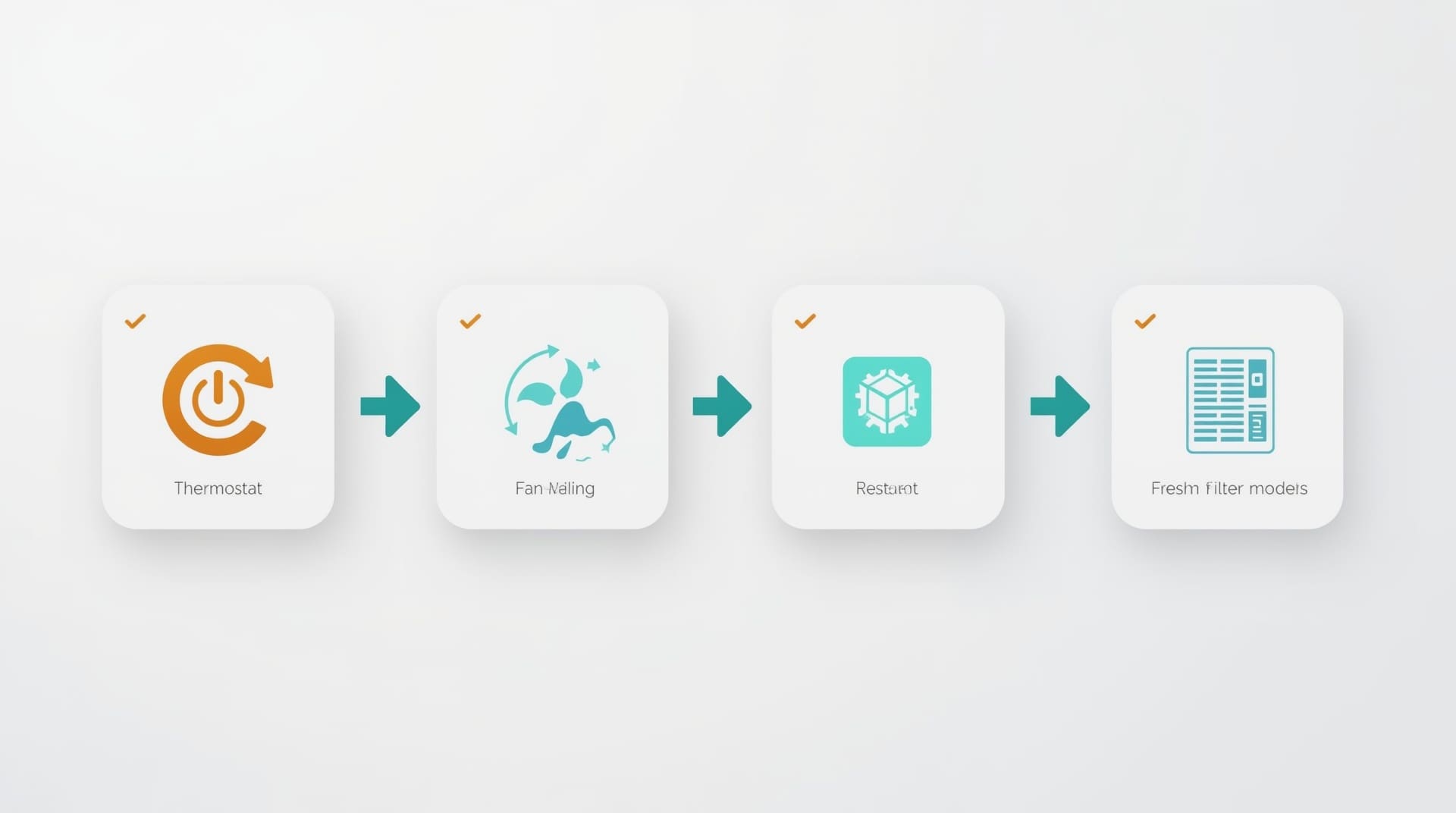
If you suspect a frozen coil, the first step is straightforward. Turn the system off at the thermostat. Do not just switch it from Cool to Fan, because the compressor needs to stop completely. Then set the fan to run on its own so that room-temperature air can move across the coil and help it thaw.
Thawing can take anywhere from one hour to a full day, depending on how much ice has built up. Never use a heat gun, hair dryer, or sharp tool to speed up the process. These can damage the coil fins, refrigerant lines, or the drain pan below the unit. Patience is the right approach here.
What to Do After the Ice Melts
Once the coil has thawed, check the drain pan and condensate drain line. A large volume of meltwater flows into that pan, and if the drain is clogged, you can end up with water damage or mold growth inside your air handler. Clear any standing water you see and make sure the drain line is flowing freely.
After draining, replace the air filter before restarting the system. If the system refreezes within a few hours, the underlying cause is likely low refrigerant or a mechanical issue. At that point, call a professional rather than thawing it again on your own.
Warning Signs That Your Coil Is Freezing
A frozen coil does not always announce itself with a dramatic failure. Most of the time, you notice subtle changes in system behavior long before you see any actual ice. Catching these early signs can save you from a full breakdown on a hot Cary summer day.
- Warm or room-temperature air from supply vents even though the thermostat is set to cool.
- Higher than normal humidity indoors because the coil is no longer removing moisture from the air.
- Water pooling around the indoor unit as the ice slowly melts during off cycles.
- Visible frost or ice on the refrigerant lines leading to the outdoor unit.
- The system runs constantly without ever reaching the set temperature on the thermostat.
- Musty or moldy smell from the vents, which can develop when standing water sits in the drain pan.
Any one of these signs warrants a closer look. Two or more together means you should check the coil immediately and turn the system off if you see ice.
Proven Steps to Prevent a Frozen Coil Year After Year
Prevention is far less expensive than repair. The good news is that most frozen coil situations are entirely avoidable with consistent basic maintenance. These steps apply to any central AC system in a home or light commercial building.
Change Your Air Filter on Schedule
Set a reminder to check your filter every 30 days and replace it at least every three months. Homes with pets, multiple occupants, or allergy sufferers may need monthly changes. A clean filter is the single most effective defense against ac coil freezing. It costs only a few dollars and takes two minutes to swap out.
Keep All Vents Open and Clear
Walk through your home and open every supply and return vent fully. Move furniture, rugs, and curtains away from grilles. Your HVAC system was sized for a specific number of open vents, and restricting them throws off the pressure balance the system needs to function properly.
Schedule Annual AC Maintenance
A professional tune-up each spring, before cooling season begins, is the most reliable way to catch problems before they cause a frozen coil. During a maintenance visit, a technician checks refrigerant levels, tests the blower motor, cleans the coil, and inspects the condensate drain. If you want to learn more about how often your system should be serviced, that is a question a qualified HVAC technician can answer based on your specific equipment and usage patterns.
Monitor Your Condensate Drain
The condensate drain line carries moisture from the air out of the system. A clogged drain causes standing water in the pan, which contributes to humidity issues and can eventually back up into the air handler. Pouring a cup of diluted white vinegar into the drain line every few months helps prevent algae buildup that leads to clogs.
Watch Refrigerant Line Insulation
The refrigerant line that runs between your outdoor unit and the air handler is wrapped in foam insulation. When that insulation cracks, splits, or falls off, the line loses temperature control and condensation can form in the wrong places. Inspect the insulation once a year and replace any damaged sections promptly.
When to Call a Professional for a Frozen Coil
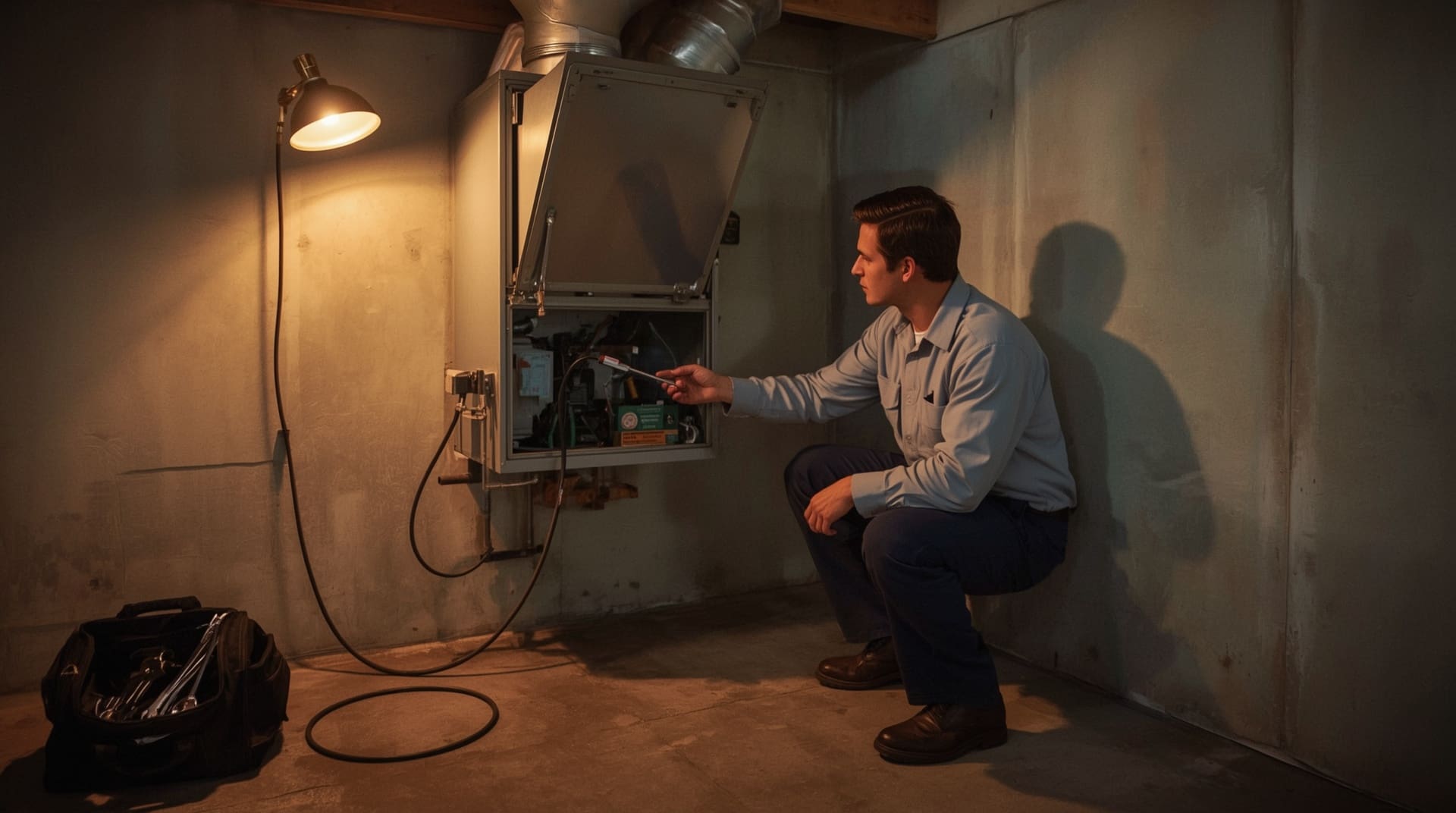
Some frozen coil situations are genuinely a quick DIY fix. A new filter and open vents can resolve airflow-related freezing in a single afternoon. Other situations require licensed equipment and professional expertise that go beyond what a homeowner can safely handle.
Call a professional when:
- The coil refreezes shortly after thawing, which suggests low refrigerant or a mechanical fault.
- You notice oil stains near the refrigerant lines, a common sign of a refrigerant leak.
- The blower fan is making unusual noises or feels slow when you hold your hand near the return vent.
- You see signs your HVAC system needs service beyond just the frozen coil, such as unusual cycling, strange sounds, or spiking energy bills.
- The system is more than 10 to 12 years old and has frozen more than once in a single season.
An experienced technician can diagnose the exact cause, handle refrigerant safely under EPA regulations, and restore your system to proper operation. In Cary and across the surrounding Triangle area, scheduling a same-day or emergency appointment is the fastest way to get your home back to a comfortable temperature.
How a Frozen Coil Relates to Other HVAC Components
The evaporator coil does not work in isolation. It is one part of a connected system, and a frozen coil often signals stress on nearby components that you should also check.
The compressor in the outdoor unit is directly affected when a frozen coil forces refrigerant to return as a liquid. The air handler blower motor works harder when airflow is restricted by ice. The condensate drain system gets overwhelmed when a large block of ice melts all at once. Even the ductwork can show signs of strain, with condensation forming on poorly insulated ducts near the air handler.
For homes using a ductless mini-split system, a frozen coil still happens for the same core reasons but the components are configured differently. The indoor head unit contains the evaporator coil, and restricted airflow or low refrigerant will produce ice on that surface just as it does in a ducted system. If you have a ductless setup, the same prevention steps apply, though service procedures differ from standard ducted equipment.
Final Thoughts on a Frozen Coil
A frozen coil is a symptom, not an isolated event. It tells you that something in your AC system is out of balance, whether that is airflow, refrigerant charge, or a failing component. The good news is that the most common causes are simple to prevent with regular filter changes, open vents, and an annual professional inspection.
If you are already dealing with ice on coil surfaces right now, turn the system off, let it thaw, and address the root cause before restarting. If the problem returns, do not keep cycling through thaw-and-restart cycles. Get a professional diagnosis so the real issue gets fixed the first time, before it becomes a compressor replacement.
Frequently Asked Questions About a Frozen Coil
Can I run my AC if the coil is frozen?
No. Running your AC with a frozen coil puts serious strain on the compressor and will not cool your home. Turn the system off immediately and let the coil thaw completely before restarting. Running the fan only, without cooling, helps speed up the thaw.
How long does it take for a frozen coil to thaw?
Thawing typically takes one to 24 hours, depending on how much ice has accumulated. Running the blower fan alone speeds the process by moving warm air over the coil. Never use external heat sources like hair dryers, as they can damage the coil fins and drain pan.
Is a frozen evaporator coil covered by a home warranty?
Coverage depends on your specific home warranty contract and the root cause of the freezing. Some plans cover refrigerant leaks and mechanical failures but exclude damage caused by lack of maintenance, such as a dirty filter. Review your contract or contact your provider to confirm what applies to your situation.
How often does a coil freeze if refrigerant is low?
A system with low refrigerant will freeze consistently, often every time it runs for an extended period in warm weather. If your coil freezes repeatedly even after you change the filter and open all vents, low refrigerant is the most likely cause. A licensed technician must test the charge and inspect for leaks.
Can a frozen coil cause water damage inside my home?
Yes. When a large buildup of ice melts, it can overflow the condensate drain pan and spill into the air handler cabinet, the floor, or even the ceiling if the unit is installed in an attic. Checking the drain pan and clearing the condensate line after a thaw helps prevent secondary water damage.