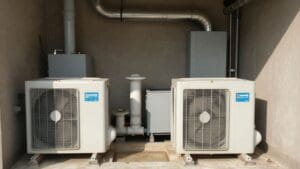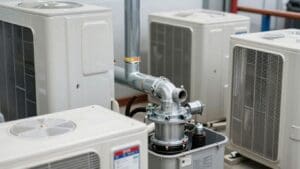

Your AC condensate drain line is one of the most overlooked parts of your air conditioning system. It quietly removes moisture from your home every time your AC runs. When it works correctly, you never think about it. When it fails, you can end up with water damage, mold, and a system that shuts itself off on the hottest day of the year.
Understanding how this line works, what can go wrong, and how to keep it clear will save you money and frustration. This guide covers everything you need to know about your AC condensate line, from the basics of how moisture is removed to the step-by-step maintenance that keeps clogs from forming in the first place.
Ready to learn more? Explore our full range of AC services to keep your system running at its best all season long.
What the Condensate Drain Line Actually Does
Your air conditioner does two jobs: it cools the air and it removes humidity. As warm, humid air passes over the evaporator coil inside your air handler, moisture in the air condenses on the coil’s cold surface. Think of it like the outside of a cold glass of water on a humid summer day. That collected moisture, called condensate, drips off the coil and into a drain pan below it.
The condensate drain line, also called the AC condensate line, is the pipe that carries that water from the drain pan to the outside of your home or to a household drain. Without it, that water would simply overflow and damage your ceilings, walls, and floors. The line is usually made of PVC pipe and runs from your indoor air handler to an exit point outdoors or near a utility drain.
The Key Components of the Drain System
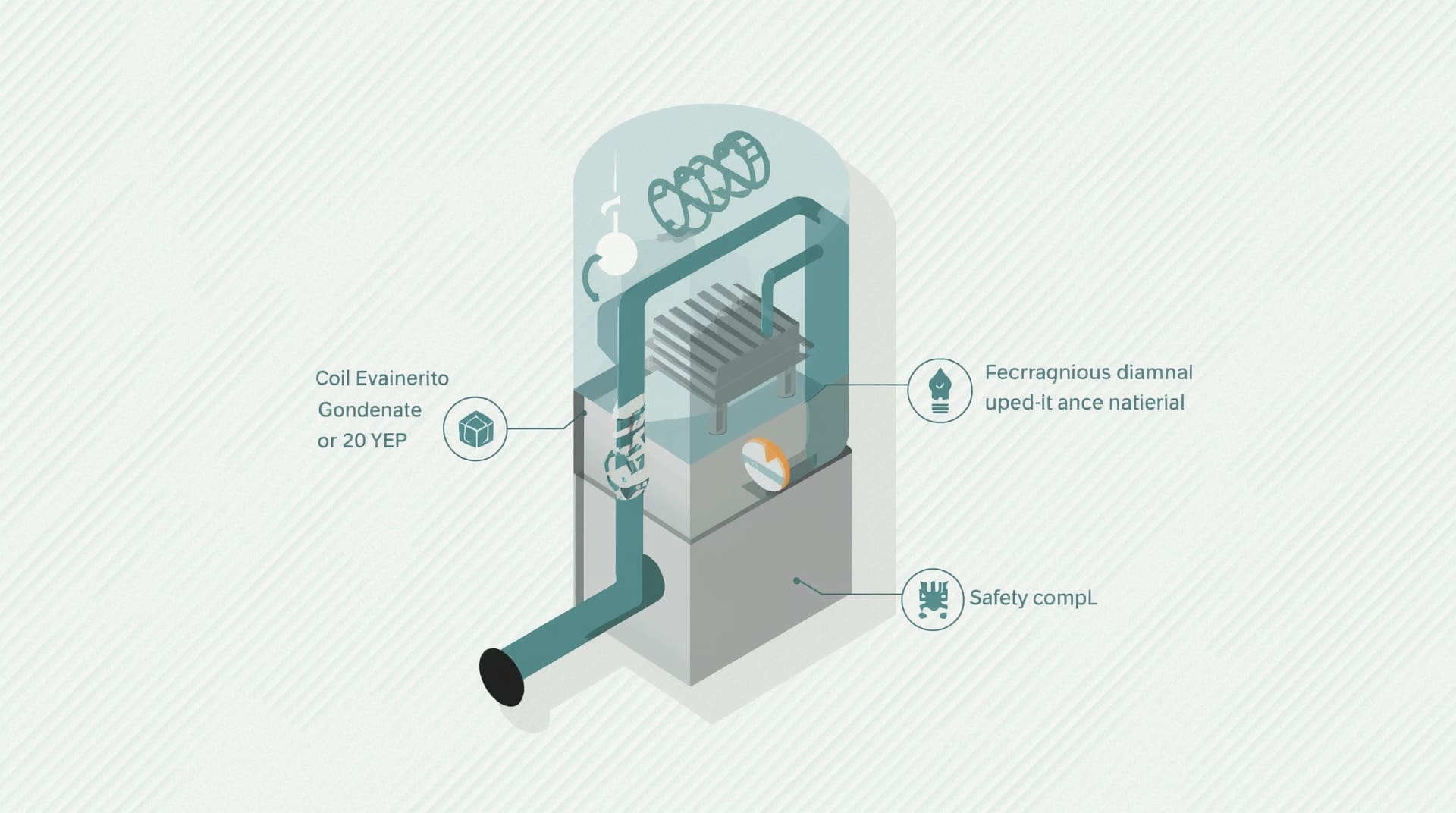
The condensate drain system is made up of more than just one pipe. Each part plays a specific role in moving water safely out of your home.
| Component | Role | Common Material |
|---|---|---|
| Evaporator coil | Collects moisture from air | Copper/aluminum |
| Primary drain pan | Catches dripping condensate | Metal or plastic |
| Condensate drain line | Carries water out of the system | PVC pipe |
| P-trap | Prevents air from being suctioned back | PVC |
| Secondary drain pan | Catches overflow if primary clogs | Metal or plastic |
| Float switch | Shuts system off if pan overflows | Plastic sensor |
| Drain line access port | Allows cleaning and flushing | PVC cap fitting |
The float switch is a safety device worth understanding. It sits inside the secondary drain pan or along the drain line. When water rises to a set level, the float switch signals the system to shut off. This prevents flooding but also means a clog will cause your AC to stop cooling entirely.
Why the Condensate Drain Line Gets Clogged
Clogs are the most common problem with any condensate drain line. The inside of the pipe stays dark, damp, and warm, which makes it a perfect environment for algae, mold, and mildew to grow. Over time, that biological buildup narrows the pipe until water can no longer flow through it freely.
Dust and debris from your air filter also play a role. Even a clean system pulls some particles past the filter. Those particles stick to the moist walls of the drain pan and pipe, adding to the organic buildup. In humid climates like North Carolina, this process happens faster than in drier parts of the country.
Other causes of clogs include:
- Insects or small debris entering the outdoor drain outlet
- Rust or scale buildup in older metal drain pans
- Improper pipe slope that prevents water from draining by gravity
- A disconnected or cracked section of pipe
Warning Signs That Your Drain Line Is Blocked

Catching a clog early prevents the worst outcomes. Your system will usually give you clear signals before the situation becomes a serious problem.
Watch for these warning signs:
- AC shuts off unexpectedly: A triggered float switch is one of the most common reasons a system stops cooling mid-cycle.
- Water around the indoor unit: Overflow from the drain pan means the line is blocked or severely restricted.
- Musty smell from the vents: Stagnant water in the pan or pipe encourages mold growth, and that odor travels through your ductwork.
- Higher indoor humidity: If the system is struggling to drain, it may also lose efficiency at removing moisture from the air.
- Visible water stains on ceilings or walls: This is a later-stage sign that water has already been overflowing for some time.
If you notice any of these signs, do not delay. Water damage from a backed-up condensate drain line can be expensive and can lead to mold problems that affect your indoor air quality.
How to Perform a Drain Line Flush at Home
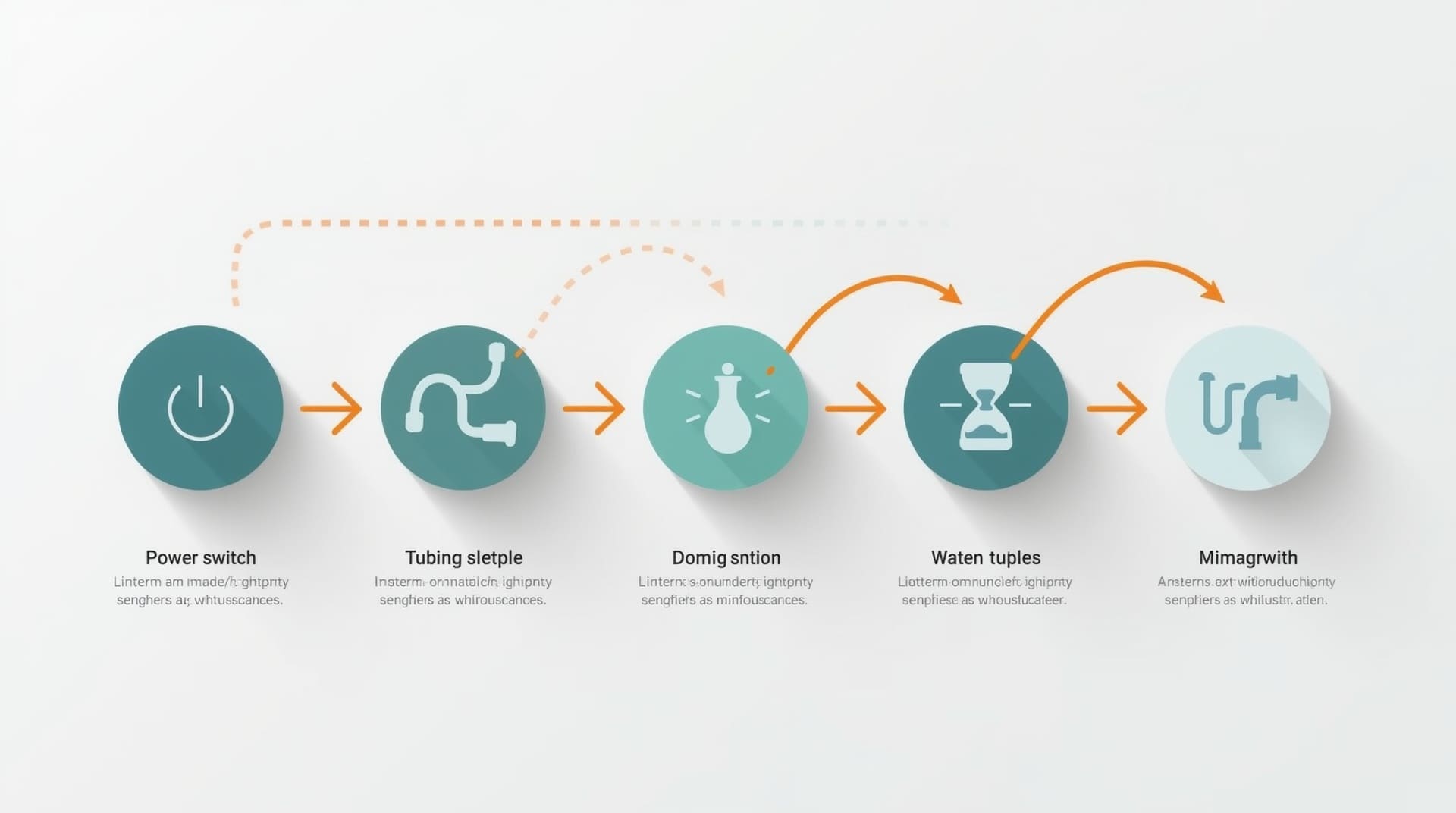
A drain line flush is the most effective routine maintenance task you can do to prevent clogs. Flushing means pushing a cleaning solution through the pipe to break up organic buildup before it restricts flow. Most homeowners can do this themselves with basic supplies.
What You Will Need
- Distilled white vinegar or a diluted bleach solution (one part bleach to ten parts water)
- A funnel or a small watering can
- A wet-dry vacuum (optional but helpful)
- A flashlight
Step-by-Step Flushing Process
- Turn off your AC system at the thermostat and at the breaker before touching any components.
- Locate the access port on your drain line. It is usually a capped T-fitting near the air handler. Remove the cap.
- Pour about one cup of distilled white vinegar into the access port. Vinegar is gentle on pipes and kills algae and mold effectively. If the buildup is heavy, a diluted bleach solution works faster but should be rinsed with water afterward.
- Let the solution sit for 30 minutes. This gives it time to break down organic material clinging to the pipe walls.
- Flush with clean water to push the loosened debris through and out of the pipe.
- Check the outdoor drain outlet to confirm water is flowing out. If nothing comes out, the clog may require suction or professional clearing.
Repeating this drain line flush every one to three months during cooling season keeps algae from getting a foothold. In the Cary area, where summers are long and humid, monthly flushing during peak season is a smart habit.
What Happens When a Clog Goes Untreated
A small blockage that goes ignored becomes a much bigger problem quickly. Once the primary drain pan overflows, water begins to damage the surrounding structure. If your air handler is in an attic, ceiling damage and drywall replacement become likely outcomes.
Stagnant water also creates conditions that support mold and bacteria growth. That mold can spread into your ductwork and circulate through your home’s air. Addressing the condensate drain line early is far cheaper than treating mold or repairing water-damaged building materials.
There is also a mechanical cost. When a float switch shuts the system down due to overflow, the system works harder during restart cycles. Repeated shutdowns add wear to the compressor and blower motor over time.
How to Clear a Severely Clogged Condensate Drain Line
Sometimes a simple flush is not enough. If water is already backing up or the float switch has tripped, you may be dealing with a full blockage. In that case, suction is usually the fastest solution.
Using a Wet-Dry Vacuum
Go to the outdoor end of the drain line. It typically exits through an exterior wall near the foundation or through the soffit. Hold the hose of a wet-dry vacuum tightly over the opening and run the vacuum for two to three minutes. This often pulls the clog free from the other end without any disassembly.
Using a Drain Snake or Brush
For clogs deep inside the pipe, a flexible drain snake or a long bottle brush can physically break up the blockage. Feed the snake through the access port and work it back and forth to dislodge buildup. Follow up with a flush to clear the debris out of the pipe completely.
If you have tried both approaches and water still will not drain, call a professional. Some blockages involve pipe damage, disconnected sections, or problems with the slope of the line that require a technician to diagnose and fix properly. You can also read our detailed post on how to check and clear a clogged condensate drain line for your AC for a more thorough DIY walkthrough.
Maintenance Schedule to Protect Your Drain Line Year-Round
Preventive maintenance is always less expensive than repairs. Building drain line care into your regular AC maintenance routine keeps the entire system healthier.
Here is a practical schedule:
- Monthly (during cooling season): Pour one cup of distilled white vinegar into the drain line access port. Check the outdoor outlet to confirm flow.
- At the start of each cooling season: Inspect the drain pan for rust, cracks, or standing water. Clear the outdoor drain outlet of any debris, spider webs, or insect nests.
- Annually: Have a professional technician inspect the full drain system during your yearly AC tune-up. They can check pipe slope, test the float switch, and clear any buildup that routine flushing missed.
- After any extended period of non-use: Run a flush before restarting the system for the season. Dry pipes can develop cracks, and any debris that settled during the off-season should be cleared before cooling begins.
Drain Line Issues Specific to Humid Climates
Cary, North Carolina sits in a region where summer humidity regularly climbs above 70 percent. That level of moisture in the air means your AC works harder to remove it, and your condensate drain line handles a much higher volume of water than systems in drier climates.
Higher condensate volume means algae and mold grow faster inside the pipe. It also means a partial clog becomes a full overflow much more quickly. Homeowners in this region should treat monthly drain line maintenance as a non-negotiable part of owning an air conditioning system, not an optional task.
If your system is older and the drain line has never been replaced, the pipe may have developed cracks or the joints may have loosened. A cracked condensate drain line allows water to leak into wall cavities or ceiling spaces before it ever reaches the intended exit point. An inspection during your annual service visit will catch this kind of hidden damage early.
When to Call a Professional for Drain Line Help
Most routine maintenance on a condensate drain line is something a homeowner can handle. But certain situations call for a trained technician.
Call a professional if you notice any of the following:
- Water stains on your ceiling or walls near the air handler
- Mold visible inside or around the drain pan
- The float switch keeps tripping even after you flush the line
- The outdoor drain outlet produces no flow after flushing and vacuuming
- Your system is older and the drain line has never been professionally inspected
- You smell mold or mildew from your vents even after addressing the drain
A technician can use a pressurized nitrogen flush, check pipe connections, test safety devices, and identify underlying problems like a frozen evaporator coil that may be contributing to excess condensate production. These are tasks that go beyond what a wet-dry vacuum and vinegar can solve.
Final Thoughts on the Condensate Drain Line
Your AC condensate drain line does quiet but critical work every time your system runs. Keeping it clean and clear protects your home from water damage, keeps your indoor air quality high, and helps your air conditioning system run at peak efficiency. The maintenance steps are simple, the tools are inexpensive, and the time investment is minimal compared to the cost of repairs when something goes wrong.
Make drain line care a regular part of your AC maintenance routine. A monthly vinegar flush during cooling season, a visual inspection each spring, and a professional check-up once a year will keep this small but important component doing its job reliably for years to come.
Frequently Asked Questions About the Condensate Drain Line
How often should I flush my condensate drain line?
During the cooling season, flush your drain line once a month using distilled white vinegar. If you live in a humid area like central North Carolina, monthly flushing is especially important because algae grows faster in high-humidity conditions. A single annual flush is not enough to prevent buildup over a full summer.
Can a clogged condensate drain line damage my home?
Yes. When the drain line clogs, the drain pan overflows and water spills into the surrounding structure. This can damage drywall, ceilings, insulation, and flooring. It can also create conditions for mold growth. Addressing a clog promptly is the best way to avoid costly repairs.
Why does my AC keep shutting off on its own?
One of the most common reasons for unexpected shutoffs is a triggered float switch. The float switch is a safety device that turns off the system when water reaches a dangerous level in the drain pan. This usually means the condensate drain line is blocked or severely restricted. Flushing the line often resolves the issue.
Is bleach or vinegar better for cleaning the drain line?
Both work, but they serve slightly different purposes. Vinegar is gentler on pipes and safe to use monthly as a preventive measure. Bleach is more aggressive and effective against heavy biological buildup, but it should be diluted and followed with a water rinse. Many technicians recommend alternating between the two over the course of a season.
What is the white PVC pipe coming out of my house near the AC unit?
That pipe is most likely the outdoor exit point of your condensate drain line. It releases the water your AC removes from indoor air to the outside. Make sure the end of that pipe is clear of debris, mud, insect nests, and vegetation. A blocked outlet will back water up into the system just as a clog inside the pipe would.