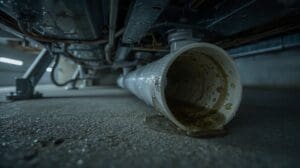

Summer’s here, and that means the AC is going to get a workout. You don’t want it to quit on you during the hottest part of the year, right? A little bit of upkeep now can save you a lot of headaches and money later. Think of it like giving your car an oil change before a long road trip. We’ve put together some easy summer HVAC maintenance tips to help keep your home cool and your system running smoothly. Let’s get your home ready for the heat.
Key Takeaways
- Get a professional to look at your system before summer really hits. They can spot problems you might miss.
- Swap out your air filters regularly. Dirty ones make your AC work harder and can mess with your air quality.
- Keep the area around your outdoor unit clear of leaves and plants so it can ‘breathe’ better.
- Check for drafts around windows and doors, and make sure your attic has enough insulation to keep the cool air in.
- Use a smart thermostat to set cooling schedules and save energy when you don’t need the AC blasting.
Schedule Professional Tune-Ups For Peak Performance
Why Professional Inspections Are Crucial Before Summer
Think of your air conditioner like your car. You wouldn’t wait for it to break down on a long road trip, right? The same idea applies to your home’s cooling system. Before the summer heat really kicks in, it’s smart to get a professional to look it over. These systems work hard, especially when it’s hot outside, and a little check-up can go a long way.
Getting a professional tune-up before summer means catching small issues before they turn into big, expensive problems. Technicians can spot things that aren’t obvious to the average person, like a part that’s starting to wear out or a connection that’s not quite right. This kind of preventative care helps your system run better and can save you a lot of headaches (and money) down the road.
What To Expect During A Professional HVAC Check
When a technician comes to your home for a summer tune-up, they’ll do a thorough check of your entire system. This usually involves a few key steps to make sure everything is in good working order.
Here’s a general idea of what they’ll do:
- Inspect the whole system: They’ll look at all the main parts, checking for any signs of wear or damage. This includes things like the compressor, fan, and electrical connections.
- Check refrigerant levels: This is important for how well your AC cools. If the levels are off, it can make the system work harder than it needs to.
- Clean and lubricate: Moving parts need to be clean and properly oiled to work smoothly. They’ll clean out dust and grime and make sure everything is lubricated.
- Test overall function: They’ll run the system to see how it’s performing, checking temperatures and airflow to make sure it’s cooling effectively.
A professional inspection is more than just a quick look; it’s a detailed assessment designed to keep your system running efficiently and reliably throughout the hottest months of the year.
Preventing Costly Breakdowns With Regular Service
Regular professional service is your best defense against unexpected AC failures during peak summer heat. When your system is running non-stop to keep your home cool, any small weakness can quickly become a major issue. A tune-up helps identify and fix these potential weak spots before they cause a breakdown.
By having your system serviced annually, you’re not just maintaining it; you’re investing in its longevity and your home’s comfort. It’s a proactive step that often pays for itself by avoiding emergency repair costs and extending the life of your equipment. Plus, a well-maintained system uses energy more efficiently, which can lead to lower electricity bills all summer long.
Maintain Optimal Airflow With Clean Filters
Think of your air filter like the lungs of your HVAC system. It’s the first line of defense, catching all the dust, pet hair, and other tiny particles floating around your home before they get sucked into your system. When that filter gets clogged up, it’s like trying to breathe through a stuffy nose – everything gets harder.
The Impact Of Dirty Filters On Your System
A dirty air filter does more than just make your air quality suffer. It really makes your whole HVAC system work overtime. When air can’t flow freely, the system has to push harder to get the cool air moving through your house. This extra strain can lead to higher energy bills because it’s using more power, and it can even shorten the lifespan of your equipment. Plus, you might notice some rooms aren’t getting as cool as others, leading to those annoying hot spots.
How Often To Replace Your Air Filters
So, how often should you be swapping out these filters? A good rule of thumb is to check them at least once a month. If you have pets, or if someone in your home has allergies or breathing issues, you might need to check and replace them even more often. Some filters are reusable and just need a good cleaning, while others are disposable. It’s a good idea to keep a little log of when you last changed it so you don’t forget. For most homes, replacing the filter every 1 to 3 months is a solid plan, but always inspect it first.
Here’s a quick look at general guidelines:
- Standard fiberglass filters: Check monthly, replace every 30 days.
- Pleated filters: Check monthly, replace every 60-90 days.
- High-efficiency filters: Check monthly, replace every 6-12 months.
Remember, these are just starting points. Your actual needs might vary based on your home environment.
Benefits Of Fresh Filters For Air Quality And Efficiency
Putting in a clean air filter is one of those simple things that makes a big difference. For starters, your indoor air quality will improve because fewer particles are circulating. Your AC unit won’t have to work as hard, which means it’ll run more efficiently and use less energy. This not only saves you money on your utility bills but also helps prevent those unexpected repair calls down the line. It’s a win-win for your comfort and your wallet. Keeping up with regular HVAC maintenance is key to a smooth-running system all summer long.
A clogged filter restricts airflow, forcing your system to work harder. This leads to increased energy consumption, reduced cooling effectiveness, and potential damage to your HVAC unit over time. Regularly replacing your air filters is a simple yet highly effective way to maintain optimal system performance and improve your home’s air quality.
Ensure Your Outdoor Unit Breathes Easy
Your air conditioner’s outdoor unit, often called the condenser, is like the lungs of your cooling system. It’s responsible for releasing the heat pulled from inside your home. If it can’t do this job properly, your whole system suffers. Think of it like trying to run a marathon with a scarf tied tightly around your mouth – not going to work well.
Clearing Debris Around the Condenser
This unit sits outside, so it’s constantly exposed to the elements. Leaves, grass clippings, twigs, and even overgrown plants can pile up around it. When this happens, the unit can’t vent heat effectively. This can cause it to overheat, which might lead to it shutting down completely to protect itself. Nobody wants their AC to quit on the hottest day of the year, right?
Here’s what you can do:
- Keep a clear zone: Aim for at least a two-foot radius around the entire outdoor unit to be free of any obstructions. This gives it plenty of room to ‘breathe’.
- Tidy up regularly: Spend a little time each month, especially after windy days or lawn mowing, to clear away any fallen leaves, grass, or other yard waste.
- Trim back plants: Make sure bushes and tree branches aren’t growing too close to the unit. They can block airflow and also drop debris.
Why Proper Clearance Matters For Performance
When the condenser unit has enough space, it can work efficiently. It can push out the hot air without struggling. This means your system doesn’t have to work as hard, which saves energy and reduces wear and tear. A unit that’s constantly battling blockages will eventually break down sooner. It’s like a car engine – if it can’t cool itself properly, it’s going to have problems.
A clean, unobstructed outdoor unit is key to keeping your home cool and your energy bills lower during the summer months. It’s a simple step that makes a big difference.
Simple Steps To Protect Your Outdoor Unit
Beyond just clearing debris, there are a few other simple things you can do. Check the fins on the side of the unit. Sometimes they can get bent, which also restricts airflow. You can gently straighten them with a fin comb if needed, but be careful not to damage them further. Also, give the unit a gentle rinse with a hose occasionally to wash away dust and grime that might be clinging to it. Just make sure the power is off before you do this, of course. Taking these small steps helps your outdoor unit run smoothly and keeps your home comfortable all summer long.
Address Your Home’s Insulation And Sealing
Preventing Cool Air Escape
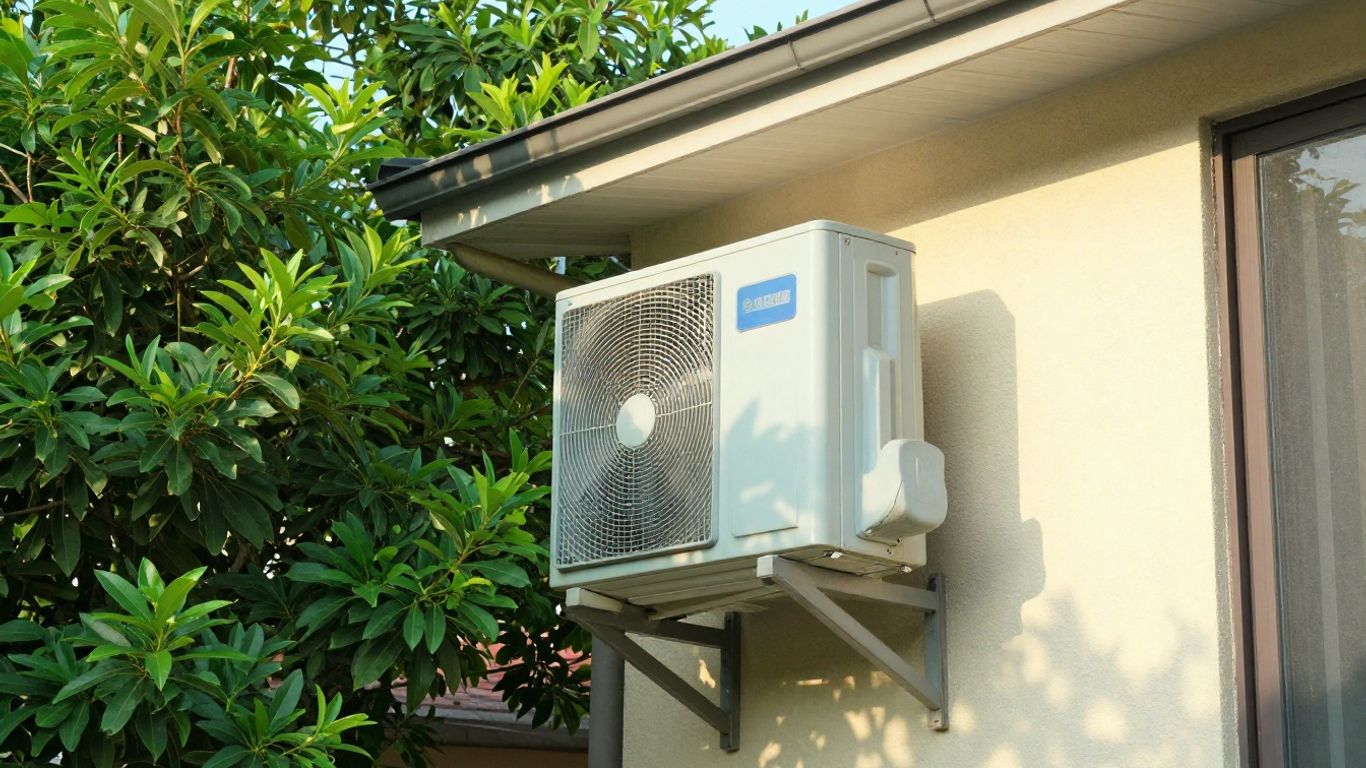
Think of your home like a big, cozy sweater. When it’s hot outside, you want that sweater to keep the cool air in, right? But if there are holes or gaps, all that cool air just leaks out, making your air conditioner work overtime. This means higher energy bills and a less comfortable home. We’re talking about tiny cracks around windows and doors, or even bigger issues in your attic or walls. Fixing these leaks is like patching up that sweater so it can do its job properly.
Sealing Gaps Around Windows And Doors
Windows and doors are common spots for cool air to make a break for it. Over time, the seals around them can wear out. You might notice drafts, or feel the temperature difference when you stand near them. It’s pretty simple to check. Run your hand around the frames, especially after a windy day. If you feel air moving, it’s time to take action. Stuff like weather stripping or caulk can be your best friend here. It’s a small job, but it makes a big difference in keeping your cool air where it belongs.
The Role Of Attic Insulation In Cooling
Your attic is like the roof of your house, and it takes a beating from the sun. If it doesn’t have enough insulation, all that heat from the sun will soak through and make your whole house feel like an oven. Good attic insulation acts like a shield, blocking that heat from coming down. It helps keep your home at a more steady temperature, so your AC doesn’t have to fight so hard. Plus, it helps keep the heat out in the summer and the warmth in during the winter, making it a year-round win.
Here are some common places where cool air likes to escape:
- Around window and door frames
- Electrical outlets and switch plates on exterior walls
- Where plumbing or wiring enters the house
- Attic hatches or pull-down stairs
- Ductwork that runs through unconditioned spaces like attics or crawl spaces
Sealing up these leaks might seem like a small thing, but it can really add up. It means your air conditioner doesn’t have to run as much, saving you money on your electricity bill and making your home feel much more comfortable on those hot summer days. It’s a pretty straightforward way to get more bang for your buck when it comes to keeping cool.
Optimize Cooling With Smart Thermostat Use
Your thermostat is the command center for your home’s cooling. Getting it to work smartly can make a big difference in how cool your house stays and how much you spend on electricity.
Leveraging Programmable Thermostats For Savings
Programmable thermostats are a game-changer for managing your home’s temperature. They let you set specific cooling schedules, so you’re not wasting energy when you don’t need to. Think about it: why keep the house at a chilly 72 degrees when everyone’s out at work or school? You can program it to be a few degrees warmer during those hours and then have it start cooling down about 30 minutes before you’re expected to return. This way, your home is comfortable when you arrive, but you’ve saved money by not over-cooling an empty house. It’s a simple way to cut down on energy bills without sacrificing comfort.
Setting Schedules For Energy Efficiency
Creating an effective schedule is key. Most people have a routine, and your thermostat can follow it. Here are some ideas for setting up your schedule:
- Wake-up: Set a comfortable temperature about 30 minutes before you usually get up.
- Daytime (Occupied): If someone is home, set a moderate temperature. If the house is empty, program it to be warmer.
- Evening: Lower the temperature again as you settle in for the night.
- Sleep: Many people prefer a slightly cooler temperature for sleeping. Program this in.
Adjusting these settings based on your family’s actual schedule will help your system run more efficiently. It’s about working smarter, not harder, with your cooling.
Smart Thermostats And Usage Patterns
Beyond basic programming, smart thermostats offer even more control. Many connect to your home’s Wi-Fi, allowing you to adjust temperatures remotely from your smartphone. This is super handy if your plans change unexpectedly. You can turn the AC down on your way home or up if you decide to leave early. Some smart thermostats even learn your habits over time and suggest optimal schedules for energy savings. They can also provide reports on your energy usage, helping you identify patterns and further opportunities to save. Upgrading to a smart thermostat is a great step towards a more efficient and comfortable home, and it can really help manage your cooling costs.
Using your thermostat wisely is one of the easiest ways to keep your home cool and your energy bills manageable during the summer. Don’t just set it and forget it; take a few minutes to program it or check its settings regularly. Your wallet and your comfort will thank you.
Keep Your Drainage System Clear
Preventing Water Damage With Clear Drains
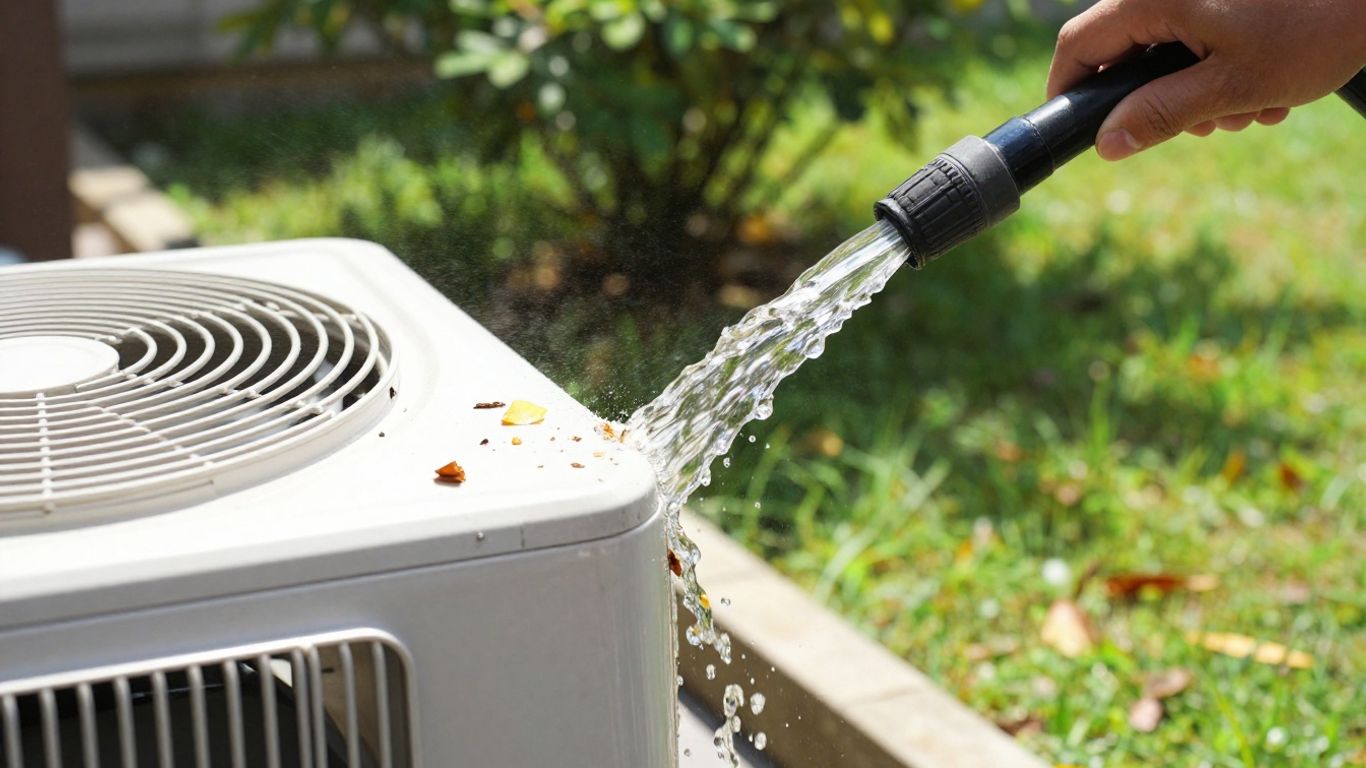
Your air conditioner works hard to cool your home, and part of that job involves removing moisture from the air. This moisture collects and needs a way to get out. Usually, it flows through a small pipe called a condensate drain line. If this line gets clogged with gunk, like algae or mold, the water has nowhere to go. It can back up into your home, causing water damage to your floors, walls, or even the HVAC system itself. Keeping this drain clear is a simple step that can save you a lot of trouble and money.
The Importance Of A Functional Condensate Line
Think of the condensate line as the AC’s little drainage ditch. When your system is running, especially on those really humid days, it’s pulling moisture out of the air. This water then drips into a pan and flows out through that drain line. If it’s blocked, that water can overflow the pan. This isn’t just messy; standing water can lead to mold growth inside your home, which is bad for air quality. Plus, a backed-up system might not cool as well because it’s struggling with the excess water. A clear line means your AC can do its job efficiently and without making a mess.
Checking For Blockages In The Drainage System
Checking your condensate drain line isn’t too complicated. You’ll usually find a PVC pipe sticking out of your house near the outdoor unit, or sometimes it drains into a floor drain inside. First, take a look to see if there’s any standing water around the indoor unit, which is a sign of a blockage. You can try to clear it yourself by carefully pouring a cup of distilled white vinegar down the pipe. This helps break down any gunk that might be building up. If you’re not comfortable doing this, or if the problem persists, it’s best to call in an HVAC pro. They have special tools to make sure the line is completely clear and that your system is draining properly.
Here’s a quick rundown of what to look for:
- Visible Water: Any water pooling around the indoor unit or near the outdoor unit where it shouldn’t be.
- Slow Drainage: If you notice water taking a long time to drain away from the unit.
- Musty Odors: Mold and mildew can grow in stagnant water, leading to unpleasant smells.
- System Shut-off: Some systems have safety switches that turn them off if the drain pan fills up to prevent damage.
Conclusion
Alright, so that’s the rundown on getting your HVAC system ready for summer. It’s not the most exciting weekend project, but trust me, a little effort now can save you a lot of sweat (and money) when the heat really kicks in. Just remember to swap out those air filters, clear away any junk around your outdoor unit, and don’t ignore weird noises or smells. If something seems off, it’s better to call in a pro before things get worse. Keeping up with these simple steps means your home stays cool, your energy bills don’t skyrocket, and you’re way less likely to deal with a surprise breakdown in the middle of a heatwave. Stay cool this summer—and if you ever feel stuck, don’t hesitate to reach out to a local HVAC tech for help.
Frequently Asked Questions
How often should I get my air conditioner checked by a pro before summer?
It’s a really good idea to have a professional check your air conditioner at least once a year, ideally in the spring before the hot weather really hits. This way, if something needs fixing, it can be done before you desperately need it, and technicians are usually less busy then.
Why are air filters so important for my AC in the summer?
Think of air filters like the lungs of your AC. When they get clogged with dust and dirt, your system has to work way harder to push air through. This makes it less efficient, costs more on your energy bill, and can even cause the system to break down. Changing them regularly keeps the air flowing smoothly.
How often should I actually change my air filters?
Generally, you should check your air filter about once a month. Depending on how much you use your AC, if you have pets, or if anyone has allergies, you might need to change it anywhere from every 30 to 90 days. If it looks dirty, it’s time for a new one!
What’s the deal with the outdoor unit and why does it need space?
The outdoor part of your AC, called the condenser, needs to ‘breathe’ to release heat. If it’s surrounded by leaves, bushes, or other stuff, it can’t do its job properly. This makes it work harder and less effectively. Keeping at least two feet of clear space around it helps it run much better.
How can a smart thermostat help keep my house cool?
Smart thermostats are pretty cool because you can program them. You can set them to cool your house down when you’re usually home and then raise the temperature a bit when you’re typically away or asleep. This saves energy and money without making you feel uncomfortable.
What is a condensate line and why do I need to keep it clear?
When your AC cools the air, it also removes moisture, which collects as water. This water drains away through a pipe called the condensate line. If this line gets blocked with gunk, the water can back up, potentially causing water damage to your home or making your AC system not work right. Keeping it clear is super important!