
Your home’s heating and cooling system is a big deal, right? It keeps you comfy all year. But sometimes, these systems start acting up, and you might not even realize it until it’s a bigger problem. Ignoring little signs can lead to costly repairs or even a full breakdown. So, let’s talk about some of the common signs your HVAC system needs service. It’s better to catch things early, trust me.
Key Takeaways
- Pay attention to changes in airflow from your vents; weak or uneven air can mean trouble.
- Strange noises like banging, grinding, or buzzing are clear signals your HVAC needs a check-up.
- If your home’s temperature is all over the place, your system might be struggling to keep up.
- A sudden jump in your energy bills without a good reason often points to an inefficient HVAC system.
- Look out for odd smells, water leaks, or your system turning on and off too much – these are definite signs to call a pro.
Noticeable Changes in Airflow
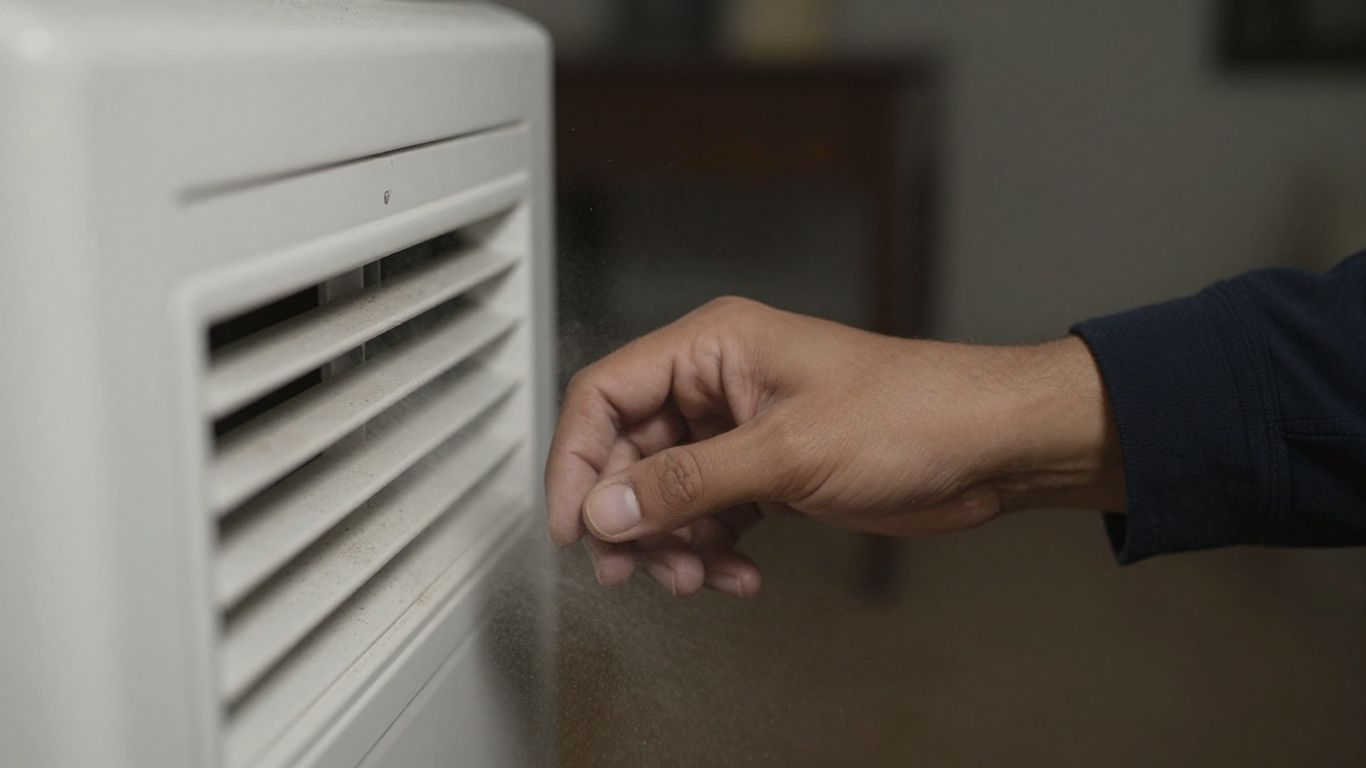
Have you noticed the air coming from your vents feels weaker than it used to? Or maybe some rooms are just never quite as comfortable as others, no matter what you do with the thermostat? These aren’t just minor annoyances; they’re often the first signals that your HVAC system needs a check-up.
When your HVAC system is working right, you should feel a steady, consistent stream of air from all your vents. If you’re finding that the airflow is noticeably weaker in certain areas, or even throughout your whole house, it’s a sign something’s up. This could be due to a few things. A really common culprit is a clogged air filter. It’s like trying to breathe through a stuffy nose – everything gets restricted. If the filter is clean, the problem might be with the blower motor itself, which is basically the fan that pushes the air around. Or, there could be blockages or leaks in your ductwork, preventing the air from getting where it needs to go.
- Clogged Air Filter: This is the easiest fix and often the cause of reduced airflow. Check it monthly.
- Blower Motor Issues: If the motor is failing, it won’t push air effectively.
- Ductwork Problems: Leaks or obstructions in the ducts can significantly impact airflow.
A system struggling with weak airflow has to work harder and longer to try and reach your desired temperature. This not only makes your home uncomfortable but also wastes energy and puts extra strain on your equipment.
Another big clue is when your home just doesn’t feel evenly heated or cooled. You might have one room that’s always freezing while another is sweltering, even though they’re both supposed to be controlled by the same thermostat. This often goes hand-in-hand with weak airflow. If the air isn’t moving properly, it can’t distribute the conditioned temperature evenly throughout your house. Sometimes, this points to issues with dampers inside your ductwork, which are like little doors that control airflow to different zones. If they’re stuck or not working correctly, you’ll definitely notice temperature differences. It’s frustrating when you’re constantly adjusting the thermostat, trying to find a comfortable spot, but it never seems to happen. This kind of imbalance means your system is likely working overtime without actually solving the comfort problem, and it’s a good reason to get it looked at by a professional HVAC technician.
Here’s a quick look at what might be happening:
- Thermostat Placement: Sometimes, the thermostat is in a spot that gets direct sunlight or is near a draft, making it think the whole house is a different temperature than it really is.
- Ductwork Issues: Leaks, poor insulation, or blockages in the ducts can cause temperature loss or uneven distribution.
- System Imbalance: The system itself might not be properly sized or balanced for your home’s layout, leading to hot and cold spots.
Unusual Sounds From Your System
Your HVAC system is usually pretty quiet, just a gentle hum when it’s running. But if you start hearing strange noises, it’s like your system is trying to tell you something’s up. It’s easy to just tune them out, but these sounds are often the first clue that something needs attention.
Banging and Clanking Noises
If you hear banging or clanking, it usually means something inside is loose or broken. Think of it like a part rattling around in there. This could be a fan blade that’s come loose or a motor that’s not quite right. If you let this go, that loose part could cause more damage, maybe even break the whole motor.
Grinding or Screeching Sounds
Metallic sounds like grinding or screeching are a bit more serious. These often point to parts that are worn out, like bearings in a motor, or maybe a belt that’s too tight or fraying. Sometimes, something might have gotten stuck in the system too. These noises mean you should get it checked out right away to avoid bigger problems.
Buzzing or Humming Alerts
A low hum is normal, but if it gets louder or sounds like a strong buzz, it could be an electrical issue. It might also mean something is loose, or there’s a problem with the refrigerant. It’s hard to tell exactly what’s going on without a pro looking at it, but it’s definitely something to get looked into.
Most of the time, noises from your HVAC system are fixable without costing a fortune, especially if you catch them early. Ignoring them is what usually leads to expensive repairs down the line. It’s better to be safe and have a technician take a look.
Here’s a quick rundown of what those sounds might mean:
- Banging/Clanking: Loose or broken internal parts.
- Grinding/Screeching: Worn bearings, belts, or debris.
- Buzzing/Humming: Potential electrical problems or refrigerant issues.
If you’re hearing any of these sounds, it’s a good idea to get a professional to check your system. Companies like HVAC services in Cary can help diagnose the issue and get your system running quietly again.
Inconsistent Home Temperatures
Ever walk from one room to another and feel like you’ve entered a different climate zone? That’s a pretty clear sign your HVAC system isn’t doing its job evenly. It’s not just about comfort; it’s a signal that something’s off under the hood.
Rooms That Are Too Hot or Too Cold
If you’ve got a room that’s always freezing in the winter or sweltering in the summer, even when the rest of the house feels okay, that’s a red flag. This unevenness can happen for a few reasons. Maybe your ductwork has leaks, letting all that conditioned air escape before it even gets to the room. Or, perhaps the vents in that particular area are blocked or dirty, preventing proper airflow. Sometimes, it’s just a sign that the system itself is getting older and can’t quite keep up with the demands of your whole house.
Difficulty Maintaining Thermostat Settings
Your thermostat is supposed to be the brain of your heating and cooling, telling the system exactly what temperature to aim for. When the system struggles to hit or stay at that temperature, it’s a problem. You might notice the temperature swinging wildly, or the system running constantly without ever quite reaching the set point. This can be due to a faulty thermostat itself, which might not be reading the room temperature accurately. It could also mean the HVAC unit is working harder than it should, possibly due to dirty filters or other internal issues that are reducing its effectiveness. Ignoring these temperature swings means your system is likely wasting energy and wearing itself out faster than necessary. Addressing these issues promptly can prevent more serious breakdowns and keep your home comfortable year-round. Regular maintenance is key to preventing these kinds of problems, so consider scheduling a check-up with a professional. HVAC system maintenance can catch many issues before they become major headaches.
Sudden Increases in Energy Bills
Have you noticed your electricity bill creeping up lately, even though you haven’t changed your habits? That’s often a big clue that your HVAC system might be struggling. When your heating or cooling unit isn’t running as efficiently as it should, it has to work much harder to keep your home comfortable. This extra effort translates directly into higher energy consumption and, you guessed it, a bigger bill at the end of the month.
Higher Utility Costs Without Increased Usage
It’s pretty frustrating when your energy costs jump without any real reason. You haven’t added new appliances, no one’s been home more than usual, and the thermostat settings haven’t changed. If your bill suddenly looks a lot different, especially if it’s gone up by 15-20% or more, your HVAC system is a prime suspect. It’s a clear signal that the system is using more power to do the same job, or perhaps not even doing the job as well as it used to. This is a measurable sign that something’s off with its performance.
System Working Harder Than Usual
Think of your HVAC system like a car engine. If it’s not maintained, it starts to sputter and needs more gas to go the same distance. Similarly, an HVAC system that’s dealing with issues like dirty filters, low refrigerant, or worn-out parts will have to run longer and harder to reach the temperature you’ve set. This constant strain not only drives up your energy bills but also puts extra wear and tear on the components. It’s a cycle where the system works overtime, costs you more money, and gets closer to needing a major repair. Addressing these efficiency problems early can help prevent bigger issues down the road and keep your home’s comfort stable.
Problems With Humidity Control
Your HVAC system does more than just heat and cool your home; it also plays a big part in keeping the air comfortable by managing moisture levels. When it’s not doing its job right, you’ll likely notice some pretty uncomfortable side effects.
Excessive Dryness or Irritation
If the air in your home feels too dry, especially during the winter months, your HVAC system might be removing too much moisture. This can lead to dry skin, chapped lips, scratchy throats, and even make you more susceptible to colds. Static electricity might also become a common annoyance. It’s not just about comfort; overly dry air can also damage wooden furniture and floors over time.
Unusually High Humidity Levels
On the flip side, if your home feels sticky and damp, your HVAC system might not be removing enough moisture. High humidity can make your home feel warmer than it is, leading you to crank up the AC even more. More importantly, it creates a perfect breeding ground for mold, mildew, and dust mites, which can cause respiratory problems and damage your home’s structure.
Proper humidity levels are key to a healthy and comfortable home environment. Your HVAC system, when working correctly, helps maintain this balance. If you’re experiencing extremes, it’s a clear signal that something needs attention.
Here are a few things that can cause these humidity issues:
- Clogged Condensate Drain Lines: During the cooling process, your AC removes moisture from the air. This water drains away through a line. If it gets blocked, water can back up, affecting the system’s ability to dehumidify.
- Refrigerant Leaks: Low refrigerant levels can cause the evaporator coils to get too cold, leading to ice buildup. When the system cycles off, this ice melts, potentially overwhelming the drainage system and causing high humidity.
- Improper System Sizing: An oversized air conditioner might cool your home too quickly without running long enough to effectively remove humidity. This is often called "short cycling."
- Air Leaks in Ductwork: Leaky ducts can pull in humid outside air or unconditioned air from attics or crawl spaces, messing with your indoor humidity levels.
Visible Leaks or Moisture Issues
Okay, so you’re walking past your furnace or air conditioner, and you spot something that just doesn’t look right. Maybe there’s a puddle of water sitting near the unit, or perhaps you’re seeing some weird condensation where it shouldn’t be. This isn’t just a little drip; it’s a sign that something’s up with your HVAC system.
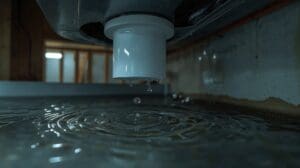
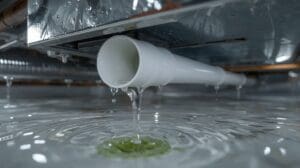
Water Pooling Around the Unit
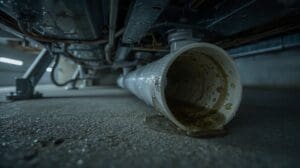
Seeing water collect around your HVAC equipment is a pretty clear indicator that it’s time to pay attention. This usually means the condensate drain line is blocked. This line is supposed to carry away moisture that the system collects, kind of like how your AC dehumidifies the air. When it gets clogged, that water has nowhere to go but to back up and spill out.
It could also be a sign that the condensate pump, if your system has one, isn’t working right. Or, in some cases, it might point to a problem with the coils or even a refrigerant leak, which is a bit more serious.
Ignoring water leaks around your HVAC unit can lead to bigger problems down the road, like mold growth or damage to your home’s structure. It’s best to get it checked out sooner rather than later.
Signs of Ice Formation
Another thing to watch out for is ice. If you notice ice forming on any part of your HVAC system, especially on the refrigerant lines or the indoor coil (the part that gets cold), that’s definitely not good. This usually happens when the system isn’t getting enough airflow or if there’s a refrigerant leak.
When the system is low on refrigerant, the coils can get too cold and freeze up. Similarly, if your air filter is super dirty or the blower fan isn’t working properly, the air can’t move over the coils effectively, causing them to freeze. This ice buildup not only stops your system from heating or cooling properly but can also cause water damage when it eventually melts.
Strange Odors Emanating From Vents
Ever walked into your home and caught a whiff of something… off? That strange smell coming from your vents isn’t just unpleasant; it’s often your HVAC system trying to tell you something’s wrong. Ignoring these odors can lead to bigger problems, not to mention affect the air you breathe.
Musty or Moldy Smells
If your vents are putting out a musty or damp smell, it’s a pretty good sign that mold or mildew has taken up residence somewhere in your ductwork or on your HVAC components. This usually happens when there’s excess moisture. It’s not great for your air quality and can cause allergy symptoms to flare up. Getting this checked out is important for keeping your air clean.
Burning or Electrical Odors
A burning smell, especially if it seems like electrical burning, is a serious red flag. This could mean a motor is overheating, wiring is getting too hot, or there’s an electrical short. You don’t want to mess around with potential electrical fires. If you notice this smell, it’s best to turn off your system and call for help right away.
Rotten Egg or Gas-Like Smells
This is probably the most alarming smell. If you detect a rotten egg or gas-like odor, it could indicate a natural gas leak. Natural gas is odorless, but utility companies add a chemical that smells like sulfur or rotten eggs to help detect leaks. If you suspect a gas leak, leave your home immediately and call your gas company or 911 from a safe distance. Don’t try to find the source yourself.
Any unusual smell from your HVAC system should be taken seriously. It’s your home’s way of signaling a potential issue, ranging from minor air quality concerns to significant safety hazards. Prompt attention can prevent discomfort, health problems, and more extensive damage.
Here’s a quick rundown of what different smells might mean:
- Musty/Moldy: Moisture and mold growth in ducts or unit.
- Burning/Electrical: Overheating motor, wiring issues, or electrical faults.
- Rotten Egg/Gas: Potential natural gas leak (immediate evacuation and professional help needed).
- Sweet/Chemical: Possible refrigerant leak.
If you’re noticing any of these odors, it’s time to get a professional to take a look. They can pinpoint the source of the smell and make sure your system is running safely and efficiently. You can find local HVAC services to help with these issues in Cary, North Carolina.
Frequent System Cycling
Does your HVAC system seem to have a mind of its own, turning on and off more often than it should? This is often called "short cycling," and it’s a pretty clear sign that something isn’t quite right. Instead of running for a good, solid stretch to heat or cool your home, the unit kicks on, runs for a bit, and then shuts off way too soon. This isn’t just annoying; it’s actually bad for your system and your wallet.
System Turning On and Off Rapidly
When your HVAC unit cycles on and off rapidly, it’s like a car constantly revving its engine and then slamming on the brakes. It’s not designed to work that way, and it causes a lot of unnecessary stress on the components. This can happen for a few reasons. Sometimes, the thermostat might be acting up, sending mixed signals. Other times, it could be that the system is just too big for your house – it cools or heats the space so fast that it hits the target temperature and shuts off, only to start up again a few minutes later. This is a common issue with oversized HVAC units.
Short Cycling Issues
Short cycling really takes a toll. It means your system is working harder overall, even though it’s not completing its job efficiently. This constant starting and stopping wears down parts faster, especially the compressor, which is a pretty expensive piece to replace. Plus, it makes your energy bills go up because the system is using more power with all those frequent starts. You might also notice that your home doesn’t feel as comfortable because the temperature swings more often. It’s a cycle of problems that you don’t want to ignore.
Ignoring frequent cycling can lead to premature wear and tear on your HVAC system, potentially causing breakdowns and costly repairs down the line. It’s a signal that your system isn’t operating as it should.
Here are some common culprits behind short cycling:
- Thermostat Problems: A faulty thermostat or one that’s poorly placed can misread the room temperature, triggering the system to turn on and off unnecessarily.
- Refrigerant Issues: Low refrigerant levels can cause the system to overheat or freeze up, leading to shutdowns.
- Dirty Filters or Coils: When air can’t flow freely, the system has to work harder and can overheat, triggering safety shutoffs.
- Improper Sizing: As mentioned, an oversized unit will reach the set temperature too quickly, leading to frequent shutdowns.
If you’re noticing this rapid on-and-off behavior, it’s definitely time to have a professional take a look. They can figure out exactly why it’s happening and get your system running smoothly again.
Don’t Wait for a Breakdown
So, we’ve talked about a few things that might mean your HVAC system needs a check-up, like weird noises or air that just doesn’t feel right. It’s easy to just ignore these little things, hoping they’ll sort themselves out. But honestly, that’s usually not how it works with these systems. Putting off a small fix now could mean a much bigger, more expensive problem later on. Think of it like a small leak in your roof – you wouldn’t just leave it, right? Your HVAC is kind of the same. If you’re noticing any of the signs we discussed, the best move is to get a professional to take a look. It’s way better to catch things early, keep your home comfortable, and save yourself some serious headaches (and cash) down the road. Give a trusted technician a call – they can help make sure everything is running smoothly.
Frequently Asked Questions
How often should I get my HVAC system checked?
It’s a good idea to have your HVAC system looked at by a professional at least once a year. Think of it like a yearly check-up for your car; it helps catch small problems before they become big, expensive ones.
What’s the most common reason for weak airflow?
Often, weak airflow is caused by a dirty air filter. If it’s been a while since you changed it, that’s probably the culprit! Other reasons could be blocked vents or issues with the system’s fan.
Why would my energy bill suddenly go up?
A big jump in your energy bill, especially when you haven’t used more electricity, usually means your HVAC system is working harder than it should. This could be due to clogged filters, leaks, or other parts not working right, making it less efficient.
Are strange noises from my HVAC system serious?
Yes, unusual noises like banging, grinding, or screeching are almost always a sign that something needs attention. These sounds can mean parts are loose, worn out, or something is stuck inside. It’s best to get it checked out quickly.
What if some rooms in my house are too hot and others too cold?
This usually means your system isn’t distributing air evenly. It could be a problem with your air ducts, a thermostat issue, or the system itself might be struggling to keep up. Getting an expert to look at it can help balance the temperatures.
What should I do if I smell something weird coming from my vents?
Don’t ignore strange smells! A musty smell might mean mold, while a burning smell could be an electrical problem. If you smell gas, turn off the system immediately and leave the house, then call for help. It’s important to figure out the source of any odd smells right away for your health and safety.