
Keeping your home comfortable year-round means understanding the basics of your heating and cooling system. It’s not as complicated as it sounds, and knowing a little can save you a lot of hassle and money. We’ll cover some common issues, how to keep things running smoothly, and when it’s best to call in the pros. Think of this as your go-to guide for heating and cooling basics for homeowners.
Key Takeaways
- Regularly change your air filter, usually every 1 to 3 months, to help your system run better and keep your air cleaner.
- Keep the outdoor AC unit clear of debris like leaves and grass to prevent it from overheating or getting damaged.
- Watch for signs your AC needs attention, such as warm air, weak airflow, strange noises, or smells. These could mean a problem needs fixing.
- If your heating system struggles to keep your home warm, makes odd noises, or has weak airflow, it might need a check-up from a technician.
- For issues like leaks, electrical problems, or a system that won’t turn on, it’s usually best to call a qualified HVAC professional.
Understanding Your Home’s Heating System
When winter rolls around, your heating system becomes the most important part of your home. It’s what keeps you and your family warm and comfortable when the temperatures drop. But like any complex piece of machinery, heating systems can run into problems. Knowing a bit about how they work and what can go wrong can save you a lot of headaches, and maybe even some money.
Common Heating System Issues
Heating systems, whether they’re furnaces, boilers, or heat pumps, have several common points of failure. Sometimes it’s something simple, like a tripped circuit breaker or a dirty air filter that’s restricting airflow. Other times, it can be more involved, like a faulty ignitor that won’t light the burner, a cracked heat exchanger that could be dangerous, or a worn-out blower motor that’s struggling to push warm air through your ducts.
Here are some frequent culprits:
- Dirty Air Filters: These are the first line of defense against dust and debris. When they get clogged, they make your system work harder and can lead to overheating or reduced airflow.
- Thermostat Problems: If your thermostat isn’t communicating correctly with your heating system, it might not turn on when it should, or it might shut off too early.
- Ignition Issues: For gas furnaces, a faulty ignitor or pilot light means no heat. This can be due to wear and tear or dirt buildup.
- Blower Motor Malfunctions: This part circulates the heated air. If it’s failing, you’ll notice weak airflow or no air at all.
- Heat Exchanger Cracks: This is a serious issue. The heat exchanger separates the combustion gases from your home’s air. A crack can allow dangerous carbon monoxide into your living space.
When to Seek Professional Heating Repair
While changing an air filter is a DIY job, many heating issues require a trained professional. If you notice any of the following, it’s best to call in an expert:
- Strange Noises: Banging, clanking, or whistling sounds often indicate a mechanical problem that needs immediate attention.
- No Heat or Insufficient Heat: If your home isn’t getting warm enough, or the system isn’t turning on at all, a technician can diagnose the root cause.
- Unusual Smells: A burning smell or the odor of gas is a clear sign to shut off the system and call for emergency service.
- System Cycling On and Off Rapidly: This ‘short cycling’ can damage components and is usually a sign of an underlying issue.
- Visible Leaks or Water: Any water around your furnace or boiler needs to be checked out by a professional.
Signs Your Heating Needs Attention
Paying attention to your heating system’s behavior can help you catch problems before they become major issues. Keep an eye out for these warning signs:
- Weak Airflow: If the air coming from your vents feels weak or isn’t as strong as usual, it could be a sign of a clogged filter, a duct issue, or a problem with the blower.
- Inconsistent Temperatures: Some rooms are too hot while others are too cold? This could point to ductwork problems, an undersized system, or thermostat issues.
- Higher Energy Bills: If your heating bills suddenly jump without a change in usage or weather, your system might be working harder than it should to keep up.
- System Kicking On and Off Frequently: This constant starting and stopping can be a sign that something isn’t right, potentially leading to more significant damage.
Don’t wait until the coldest day of the year to discover your heating system isn’t up to the task. Regular checks and prompt attention to warning signs can keep your home cozy and your system running smoothly.
Essential Air Conditioning Maintenance
Keeping your air conditioner in good shape is pretty important, especially when those hot summer days roll around. A well-maintained AC not only keeps your home cool and comfy but can also save you some money on energy bills and stop unexpected breakdowns. Think of it like taking care of your car – a little regular attention goes a long way.
Simple AC Care Tips for Homeowners
There are a few things you can do yourself to help your AC run better. These aren’t complicated, and they make a real difference:
- Change the Air Filter: This is probably the easiest and most important task. A dirty filter makes your AC work harder and can lead to problems. Aim to change it every 1 to 3 months, depending on the type of filter and how much you use your system. A clean filter helps with air quality and airflow.
- Clear Debris Around the Outdoor Unit: The unit outside your house needs space to breathe. Keep leaves, grass clippings, and other yard waste cleared away from it. Make sure there’s at least a couple of feet of clear space all around.
- Check Your Thermostat: Make sure your thermostat is set correctly and that it’s responding when you adjust the temperature. Sometimes, a simple reset or battery change can fix minor issues.
Recognizing Common AC Problems
Sometimes, your AC will give you hints that something’s not quite right. Paying attention to these signs can help you catch problems early:
- Warm Air: If your AC is blowing warm air instead of cool air, it’s a clear sign something’s wrong. This could be a refrigerant issue or a problem with the compressor.
- Weak Airflow: If you notice air coming out of the vents is weaker than usual, it might be due to a clogged filter or a problem with the fan or ductwork.
- Unusual Noises: Grinding, squealing, or banging sounds coming from your AC unit are never good. These noises often point to mechanical issues that need a professional’s attention.
- Bad Smells: Musty or burning smells can indicate mold growth in the system or electrical problems.
- Higher Energy Bills: If your electricity bill suddenly jumps up without a change in usage, your AC might be working inefficiently.
When to Call an AC Professional
While some maintenance is easy to do yourself, other issues are best left to the experts. Don’t hesitate to call a qualified HVAC technician if you notice:
- Refrigerant Leaks: These can be harmful and will stop your AC from cooling effectively.
- Electrical Issues: Problems with wiring or components can be dangerous.
- System Not Cooling: If your AC is running but not cooling your home, it needs a professional diagnosis.
- Frozen Coils: This usually means there’s an airflow problem or a refrigerant issue.
- Frequent Cycling: If your AC turns on and off very rapidly, it’s not operating efficiently and could be damaged.
Taking care of your air conditioner doesn’t have to be a chore. Simple, regular maintenance can prevent bigger headaches down the road and keep your home comfortable all summer long. If you’re unsure about a problem or it seems serious, calling a pro is always the safest bet.
The Importance of Proper Ventilation
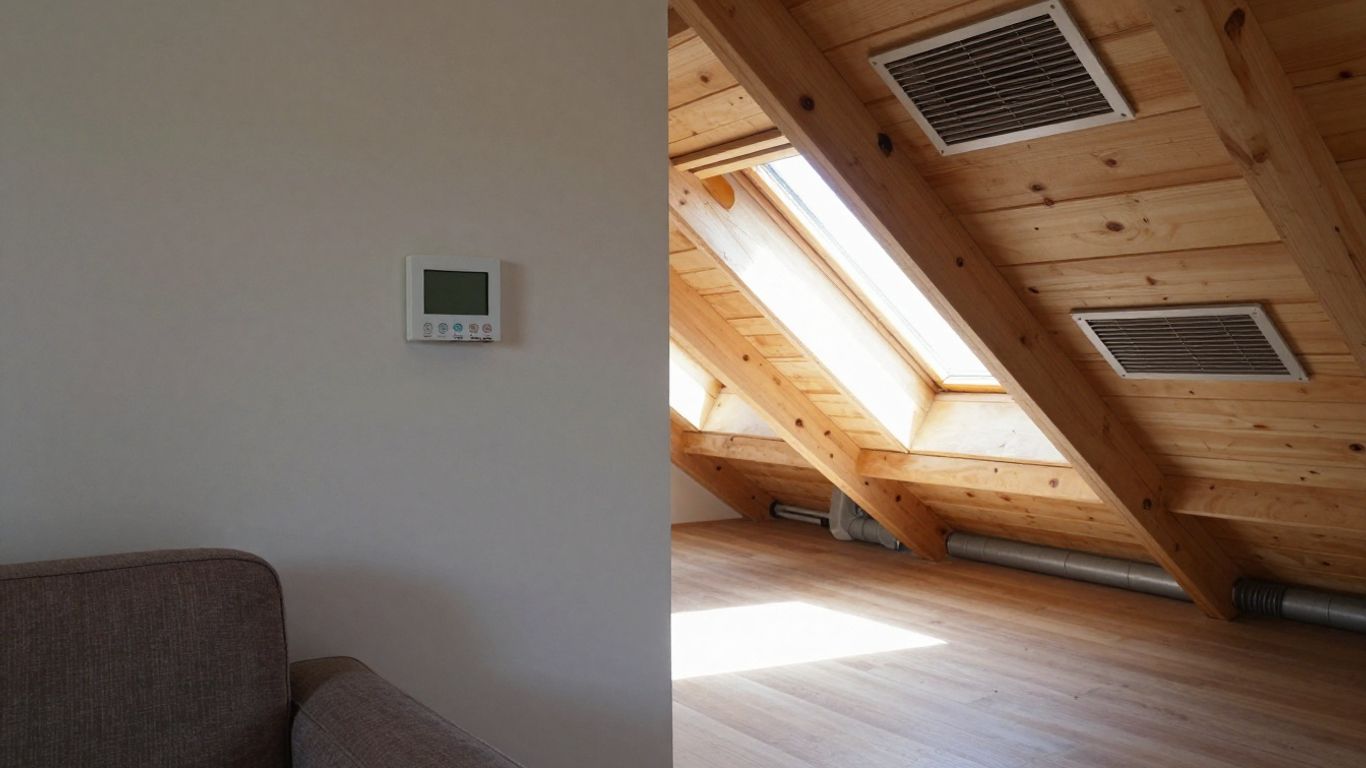
Think about your home like your own body. Just like you need to breathe fresh air, your house does too. Ventilation is all about making sure the air inside your home stays fresh and healthy. It’s not just about heating and cooling; it’s about the air you’re breathing every single day.
Improving Indoor Air Quality
Stale air can hang around in your home, bringing dust, allergens, and even odors with it. Proper ventilation helps push that old air out and brings in fresh air from the outside. This can make a big difference for people with allergies or breathing issues. It also helps get rid of moisture that can lead to mold and mildew. Good ventilation means a healthier living space for everyone.
Ensuring Efficient Airflow
When your heating and cooling systems run, they need a clear path for air to move. Blocked vents or poor airflow can make your system work harder than it needs to. This uses more energy and can lead to parts wearing out faster. Ventilation systems, like exhaust fans and air exchangers, work with your main HVAC setup to keep air moving smoothly. This helps your system keep your home at the right temperature without struggling.
Ventilation System Services
Sometimes, your home’s ventilation might need a little help. This could mean cleaning out ducts, fixing an exhaust fan that’s not working right, or even installing a new system if your home is too tightly sealed. We can check your current setup and see if it’s doing its job. If not, we can suggest ways to improve it, making sure your air is fresh and your system runs well. It’s a key part of keeping your whole HVAC system working its best.
Proper ventilation is more than just a comfort feature; it’s a health and efficiency necessity for any home.
Navigating HVAC Repairs
When your heating or cooling system decides to take an unexpected break, it can really throw a wrench in your day. Whether it’s a sweltering summer afternoon or a chilly winter evening, a malfunctioning HVAC system is more than just an inconvenience – it’s a comfort emergency. Knowing how to handle these situations can save you time, money, and a whole lot of stress.
Emergency HVAC Repair Services
Sometimes, your HVAC system just can’t wait. We’re talking about those moments when the AC completely quits during a heatwave or the furnace goes silent when the temperature plummets. These are the times for emergency repairs. Our team is ready to respond quickly to urgent issues like total system failures, strange noises, or any problem that leaves you without heat or cool air. We aim to get your system back up and running as fast as possible.
Common Repair Needs for Heating and Cooling
Over time, various parts of your HVAC system can wear out or malfunction. Some common culprits include:
- Thermostat issues: A faulty thermostat can lead to incorrect temperature readings or a system that won’t turn on.
- Airflow problems: This could be due to a dirty air filter, a malfunctioning blower motor, or blocked vents.
- Refrigerant leaks (AC): If your air conditioner isn’t cooling effectively, it might be low on refrigerant.
- Ignition or pilot light problems (Heating): For furnaces, issues with the ignition system can prevent it from heating.
- Electrical malfunctions: Problems with wiring, capacitors, or contactors can stop the system in its tracks.
Expert Diagnosis and Repair
Figuring out exactly what’s wrong with an HVAC system can be tricky. That’s where experienced technicians come in. They have the tools and knowledge to pinpoint the root cause of the problem, whether it’s a simple fix or something more complex. Getting a proper diagnosis is key to making sure the repair is done right the first time. This helps prevent future issues and keeps your system running efficiently. If you’re considering a major overhaul or a new system, getting a quote from a professional can help simplify the process of HVAC replacement.
Don’t ignore small signs that your system needs attention. A minor issue today could become a major, expensive repair tomorrow if left unaddressed. Regular check-ups can often catch these problems early.
Choosing the Right HVAC Professional
When your heating or cooling system acts up, finding someone reliable to fix it can feel like a big task. It’s not just about getting the air back on; it’s about trusting someone with your home and your comfort. Picking the right HVAC company means looking beyond just the first name you see.
What to Look for in an HVAC Company
Start by checking out a company’s reputation. Do they have good reviews online? Ask friends or neighbors for recommendations. A solid track record usually means they do good work. Also, see if they’re licensed and insured. This protects you and shows they’re serious about their business. It’s also smart to find a company that offers a range of services, so they can handle different issues that might pop up.
Importance of Experienced Technicians
An experienced technician is worth their weight in gold. They’ve seen a lot of different problems and know how to fix them efficiently. They can usually figure out what’s wrong faster and get it sorted without unnecessary fuss. This means less downtime for your system and less stress for you. Look for companies that talk about their technicians’ training and how long they’ve been in the field. For example, if you’re having trouble with your air conditioner, you want someone who knows the ins and outs of AC repair needs.
Ensuring Quality Workmanship and Affordability
Getting quality work doesn’t always mean paying the highest price. Many good companies offer fair pricing for their services. It’s a good idea to get a few quotes from different places before you decide. This helps you compare costs and what’s included. Remember, the cheapest option might not always be the best if the work isn’t done right the first time. You want a balance of good service and a price that fits your budget.
Finding a trustworthy HVAC professional is about more than just a quick fix; it’s about building a relationship with someone who can keep your home comfortable year-round.
Maximizing Your HVAC System’s Lifespan
Think of your heating and cooling system like a car. If you don’t take care of it, it’s going to break down sooner and cost you more in the long run. Regular attention can make a big difference in how long your HVAC system lasts and how well it performs.
Preventative Maintenance for Longevity
This is probably the most important thing you can do. Getting your system checked out by a professional at least once a year is a smart move. They can catch small issues before they become big, expensive problems. It’s like getting an oil change for your furnace or AC.
Here’s what regular maintenance typically involves:
- Cleaning: Dust and dirt can build up on components, making them work harder and less efficiently. A pro will clean coils, fans, and other parts.
- Inspections: They’ll check for worn-out parts, loose connections, or potential leaks that you might not notice.
- Lubrication: Moving parts need to be properly lubricated to reduce friction and wear.
- Filter Changes: While you can do this yourself, a technician will ensure the right type of filter is used and that it’s installed correctly.
Don’t wait for a breakdown to think about maintenance. Proactive care is the key to a long-lasting system.
Understanding System Efficiency
An efficient system doesn’t have to work as hard to heat or cool your home. This means less wear and tear on its parts. Things like dirty air filters, leaky ducts, or poorly insulated components can all hurt efficiency. When your system is running efficiently, it’s also using less energy, which is good for your wallet and the environment.
Benefits of Regular Tune-Ups
Getting your HVAC system tuned up regularly offers a bunch of good things. For starters, it helps your system run better, meaning it can keep your home comfortable without struggling. This also means you’re likely to see lower energy bills because an efficient system uses less power. Plus, catching problems early can save you a lot of money on repairs down the road. It’s really about getting the most out of the system you already have.
Here are some key benefits:
- Extended Lifespan: Regular check-ups help prevent major component failures, allowing your system to last longer.
- Improved Performance: Your system will heat and cool your home more effectively and consistently.
- Lower Energy Costs: An efficient system uses less energy, leading to reduced utility bills.
- Fewer Breakdowns: Catching minor issues early prevents them from turning into costly emergency repairs.
- Better Air Quality: Clean filters and components contribute to healthier indoor air.
Troubleshooting Common HVAC Concerns
Sometimes, your heating or cooling system might act up. It’s not always a big problem, and often, you can figure out what’s going on. Let’s look at some common issues and what they might mean.
Addressing Weak Airflow
Is the air coming out of your vents feeling weak or not very strong? This is a pretty common complaint. The first thing to check is your air filter. A dirty, clogged filter is like a traffic jam for air, making it hard for your system to push it through the ducts. Swapping out an old filter for a new one is a simple fix that can make a big difference. If the filter is clean, the problem might be with your ducts themselves. They could be blocked, leaking, or even crushed somewhere along the line. Sometimes, the fan motor in your HVAC unit might be struggling, too. If changing the filter doesn’t help, it’s probably time to look into your ductwork or call a professional.
Dealing with Unusual Noises
Your HVAC system can make all sorts of sounds, but some are definitely more concerning than others. A rattling noise might mean a loose part somewhere in the system, maybe a screw or a panel. A hissing sound could indicate a refrigerant leak, which needs immediate attention. Grinding or squealing noises often point to problems with the motor or fan components. If you hear banging, it could be something more serious, like a part that’s come loose and is hitting other components. It’s a good idea to pay attention to these sounds. If you can pinpoint where the noise is coming from, it can help a technician diagnose the issue faster. For any strange noises, especially hissing or grinding, it’s best to get it checked out by an HVAC expert.
Managing Inconsistent Temperatures
Is one room freezing while another feels like a sauna? Inconsistent temperatures are frustrating. This can happen for a few reasons. Your thermostat might be misreading the temperature, or it could be in the wrong setting. Make sure it’s set to ‘auto’ for the fan and not ‘on’ all the time. Leaky or poorly insulated ducts can also cause temperature differences between rooms, as heated or cooled air escapes before it reaches its destination. Another common cause is having too many vents closed or blocked in certain areas, which disrupts the airflow balance. If your system is struggling to keep up, especially during extreme weather, it might be undersized for your home or in need of a tune-up. Addressing these temperature swings can make a big difference in your home’s comfort.
When your heating system isn’t keeping your home warm, making strange noises, or struggling with weak airflow or inconsistent temperatures, our experienced technicians are ready to help. We specialize in diagnosing and repairing all types of heating issues, including faulty igniters, broken heat exchangers, malfunctioning thermostats, dirty burners, and blower motor problems.
Here are some common HVAC issues and their potential causes:
- No Airflow: Dirty air filter, blocked vents, or issues with the blower motor.
- Strange Noises: Loose parts, refrigerant leaks, or worn-out motor bearings.
- Uneven Temperatures: Leaky ducts, thermostat problems, or airflow blockages.
- System Not Turning On: Tripped circuit breaker, thermostat issue, or a safety lockout.
If you’ve checked the simple things like air filters and thermostat settings and the problem persists, it’s wise to contact a professional. They have the tools and knowledge to safely diagnose and fix more complex issues, like refrigerant leaks or electrical malfunctions.
Energy Efficiency in Heating and Cooling
Keeping your home comfortable year-round doesn’t have to mean high energy bills. Making smart choices about your heating and cooling system can make a big difference. It’s about getting the most comfort for your money and being a bit kinder to the planet, too.
Tips for Lowering Energy Bills
There are several straightforward ways to cut down on how much energy your HVAC system uses. Little changes can add up to significant savings over time. Think of it as giving your wallet a break while still staying comfortable.
- Adjust your thermostat: Even a few degrees can impact your energy use. Consider a programmable or smart thermostat that can automatically adjust temperatures when you’re asleep or away.
- Seal air leaks: Check around windows, doors, and any openings where pipes or wires enter your home. Use caulk or weatherstripping to seal these gaps.
- Maintain your system: Regular check-ups by a professional can catch small issues before they become big energy drains. A well-maintained system runs more efficiently.
- Use fans: Ceiling fans can help circulate air, making your home feel cooler in the summer. This allows you to set your thermostat a bit higher without sacrificing comfort.
How Maintenance Impacts Efficiency
Regular maintenance is like giving your HVAC system a tune-up. When everything is clean and working correctly, it doesn’t have to work as hard to do its job. This means it uses less energy.
Think about your car. If you don’t change the oil or check the tires, it won’t run as smoothly and might use more gas. Your HVAC system is similar. Dirty filters, clogged coils, or worn parts can all make it less efficient. Getting it serviced regularly helps keep it running at its best, saving you money on energy costs and preventing breakdowns. It’s a good idea to have a professional inspect your system at least once a year, often before the peak heating or cooling season. This helps ensure your system is ready for the demands ahead and operating with optimal performance.
Understanding Energy-Efficient Systems
Newer heating and cooling systems are designed with energy efficiency in mind. They often have higher ratings, meaning they use less energy to produce the same amount of heating or cooling. Look for ENERGY STAR certified equipment when it’s time to replace your old system. These systems are built to be smarter and more effective, often adapting to your home’s needs automatically. While the initial cost might be a bit higher, the long-term savings on energy bills can make them a worthwhile investment for your home.
AC System Specifics
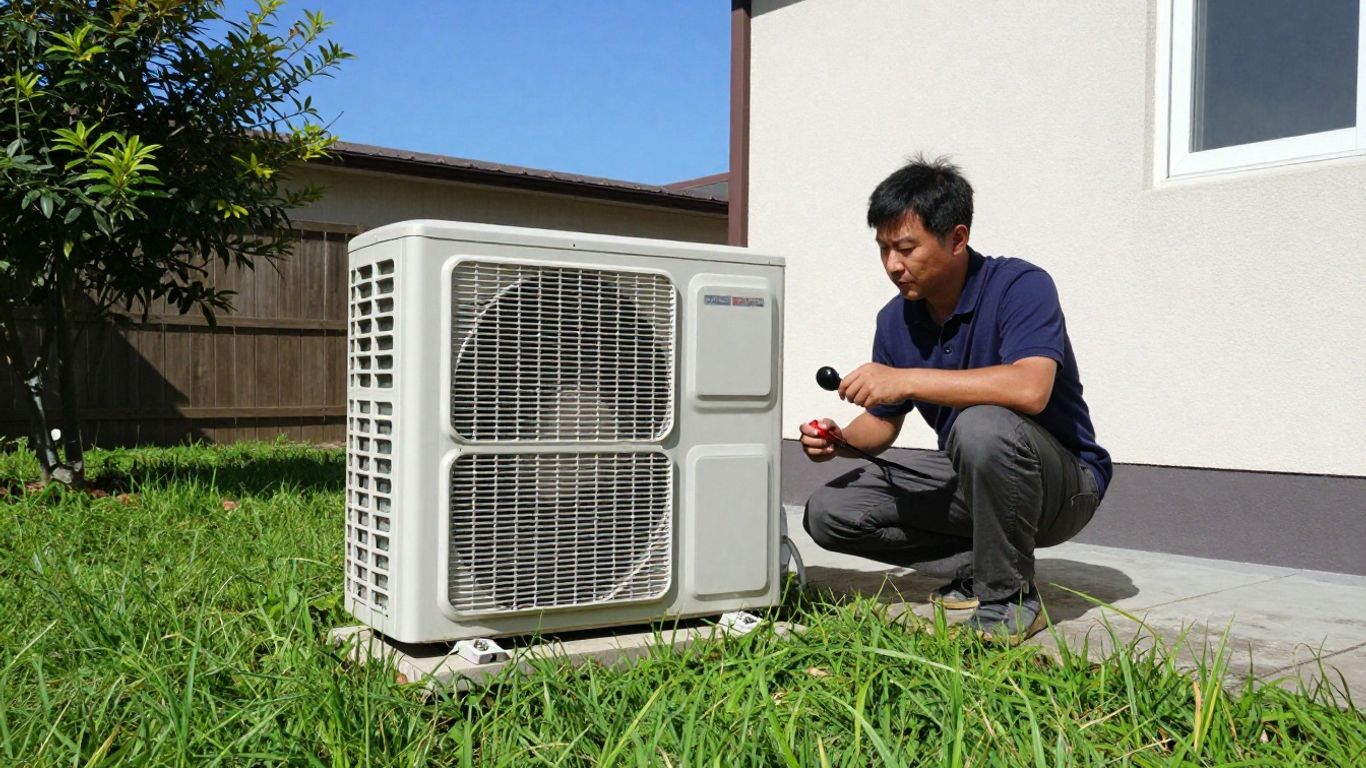
When it comes to keeping your home cool and comfortable, your air conditioning system plays a big role. There are a few different types of AC systems out there, and knowing a bit about them can help you take better care of yours. We’ll cover some common AC repair needs and touch on specific types like Daikin and ductless systems.
Understanding AC Repair Needs
Sometimes, your air conditioner just won’t work right. You might notice it’s blowing warm air, or maybe the airflow from the vents is weak. Strange noises or bad smells coming from the unit are also signs something’s up. If your energy bills suddenly jump, that could point to your AC working harder than it should. These are all good reasons to get it checked out.
- Warm Air: The most obvious sign your AC isn’t cooling. This could be a refrigerant issue or a problem with the compressor.
- Weak Airflow: You can feel air, but it’s not strong. This might mean your filter is clogged or there’s a blockage in the ducts.
- Unusual Noises: Clanking, grinding, or squealing sounds usually mean a mechanical part is failing.
- Bad Smells: Musty smells can indicate mold growth, while a burning smell is a serious electrical issue.
- High Energy Bills: An inefficient AC will cost you more to run.
Daikin AC System Care
Daikin is a popular brand, and like any AC system, they need regular attention. Keeping your Daikin unit running smoothly often involves the same basic maintenance as other brands. This includes changing the air filter regularly, usually every one to three months, and keeping the outdoor unit clear of debris like leaves and grass. A yearly check-up by a professional can catch small issues before they become big problems.
Ductless AC System Maintenance
Ductless mini-split systems are great for targeted cooling or for homes without existing ductwork. They consist of an outdoor unit and one or more indoor units. Maintenance is similar to central AC: clean or replace filters in the indoor units regularly. The outdoor unit needs to be kept clear of obstructions. If you notice any performance issues, like reduced cooling or strange noises, it’s best to call a professional who understands these specific systems. They can handle tasks like checking refrigerant levels and cleaning coils, which are key to keeping your ductless AC system working efficiently.
Taking care of your air conditioner, no matter the type, is about more than just comfort. It’s about saving money on energy bills and preventing costly breakdowns. Simple steps at home, combined with professional check-ups, go a long way in making sure your system lasts and performs well.
Wrapping Up Your Home’s Comfort
So, that’s a quick look at keeping your home’s heating and cooling systems in good shape. It might seem like a lot, but honestly, a little regular care goes a long way. Changing filters, keeping the outside unit clear, and knowing when to call in a pro can save you headaches and money down the road. Don’t wait for a breakdown to happen; a bit of attention now means more comfort later. If you’re ever unsure or a problem pops up that you can’t handle, remember there are folks out there ready to help get things running right again.
Frequently Asked Questions
How often should I change my air filter?
It’s a good idea to swap out your air filter every 1 to 3 months. A clean filter helps your heating and cooling system work better and keeps the air in your home fresher.
What are some signs my AC needs fixing?
Watch out for warm air blowing from your vents, weak air movement, strange noises, odd smells, or a sudden jump in your electricity bill. These can all point to a problem with your air conditioner.
When is it time to call a professional for my AC?
If your air conditioner is leaking water, turning on and off too quickly, or just not cooling your house effectively, it’s probably time to call an expert. Some issues, like electrical problems or refrigerant leaks, are best left to the pros.
What should I do to keep my AC unit in good shape?
Make sure to keep the area around your outdoor unit clear of leaves and dirt. Also, check that your thermostat is working correctly. Getting your AC checked out before the really hot weather hits can prevent big problems.
My heating system isn’t working well. What could be wrong?
If your heater is struggling to warm your home, making weird noises, or the air isn’t flowing strongly, it might need attention. Common issues include problems with the thermostat, dirty parts, or motor troubles.
What is ventilation and why is it important?
Ventilation is about moving air in and out of your home. Good ventilation helps keep the air inside fresh and clean, which is important for your health. It also helps your heating and cooling system run more efficiently.
How can I make my heating and cooling system last longer?
The best way is through regular check-ups and maintenance. Keeping your system clean and getting it tuned up yearly can help it run smoothly for many years and avoid unexpected breakdowns.
What should I look for when hiring an HVAC professional?
Look for a company that has good reviews, experienced technicians, and offers clear pricing. It’s also important that they are licensed and insured to ensure they do quality work and can handle various repair needs.