

Ever wonder what keeps your house toasty in the winter and cool in the summer? It’s your HVAC system, and it’s more than just a fancy thermostat. HVAC stands for Heating, Ventilation, and Air Conditioning, and understanding how it all works can save you money and keep your home comfortable. We’ll break down the basics, from the furnace to the air conditioner, and explain how these parts team up to manage your home’s climate. Let’s get a clear picture of how does an hvac system work.
Key Takeaways
- An HVAC system manages your home’s heating, ventilation, and air conditioning to keep you comfortable year-round.
- The main components include the furnace (heating), air conditioner (cooling), thermostat (control), and ductwork (air distribution).
- Heating systems typically use furnaces or heat pumps, while cooling relies on air conditioners that move heat out of your home.
- Ventilation and air filters are important for maintaining good indoor air quality by circulating fresh air and removing particles.
- Understanding how your HVAC system works helps in making informed decisions about maintenance, energy efficiency, and potential upgrades.
Understanding How an HVAC System Works
So, you’ve probably heard the term HVAC thrown around a lot, especially when it comes to keeping your home comfy. But what does it actually mean, and how does this system keep you from freezing in the winter or melting in the summer? Let’s break it down.
What Does HVAC Stand For?
HVAC is just a handy acronym for Heating, Ventilation, and Air Conditioning. That’s it. It covers all the different parts of your home’s climate control system. Think of it as the umbrella term for everything that makes your indoor air feel just right, no matter what’s happening outside.
The Core Purpose of Your Home’s Comfort System
At its heart, your HVAC system is all about maintaining a comfortable and healthy living space. It’s not just about cranking up the heat or blasting the AC. It’s about managing the temperature, but also about making sure the air you breathe is fresh and not too damp or dry. A well-functioning system keeps your home pleasant and can even help prevent issues like mold growth or stale air.
The building sector uses a lot of energy, so making sure your HVAC runs efficiently is good for your wallet and the planet.
Key Functions: Heating, Ventilation, and Air Conditioning
Let’s look at the three main jobs your HVAC system does:
- Heating: This is what keeps you warm when it’s cold out. Your system uses a furnace, boiler, or heat pump to generate heat and then distributes it throughout your home.
- Ventilation: This is about air exchange. It brings fresh air in from the outside and pushes stale air out. This helps get rid of odors, moisture, and other stuff that can build up indoors. It’s like your home’s lungs, keeping the air fresh.
- Air Conditioning: When it’s hot, your AC unit works to remove heat from your home’s air, making it cooler. It also takes out moisture, which helps make the air feel less sticky and more comfortable. This is why your AC can make a huge difference on a muggy summer day.
These three functions work together, often using the same ductwork, to create the ideal indoor environment year-round. Understanding these basics is the first step to appreciating how your home stays comfortable. If you’re looking to save on heating costs, checking for drafts around windows and doors is a good start. You can also explore smart thermostat options to manage your home’s temperature more effectively.
The Main Components of Your HVAC System
So, you’ve got this whole system working to keep your house just right, temperature-wise. But what exactly makes it all happen? It’s not just one big box; it’s a team of parts, each with its own job. Think of it like a band – you need the drummer, the guitarist, the singer, and the bassist all playing together to make good music. Your HVAC system is similar, with a few key players.
This is the part that really gets going when the weather turns cold. The furnace is basically a big heater for your house. It takes in air, heats it up, and then sends it out to warm your rooms. Most furnaces you’ll find in homes today run on natural gas, but electric furnaces are also an option. They’re designed to be pretty efficient, meaning they do a good job of turning fuel into heat without wasting too much.
When summer hits, the roles kind of switch, and the air conditioner takes center stage. Its main job is to cool down the air inside your house. But it does more than just make things cold; it also pulls moisture out of the air. This is why a room can feel cooler even before the temperature drops significantly – less humidity makes a big difference in how comfortable you feel. The AC unit usually has an outdoor part and an indoor part that work together.
This is the brain of the whole operation. The thermostat is what you interact with to tell your HVAC system what to do. You set the temperature you want, and the thermostat sends signals to either the furnace or the air conditioner to kick in and do their thing. Modern thermostats can be programmed to adjust temperatures automatically throughout the day, saving energy. Some even connect to your phone, so you can control your home’s climate from anywhere. It’s pretty neat how these control systems have evolved.
Here’s a quick rundown of the main players:
- Furnace: Creates heat for your home.
- Air Conditioner: Cools and removes humidity from the air.
- Thermostat: The command center that tells the system when to heat or cool.
- Ductwork: The network of pipes that carries the conditioned air to different rooms.
Understanding these core components is the first step to appreciating how your home stays comfortable all year round. Each piece has a specific function, and they all need to work in harmony for optimal performance and efficiency.
How Your System Heats Your Home
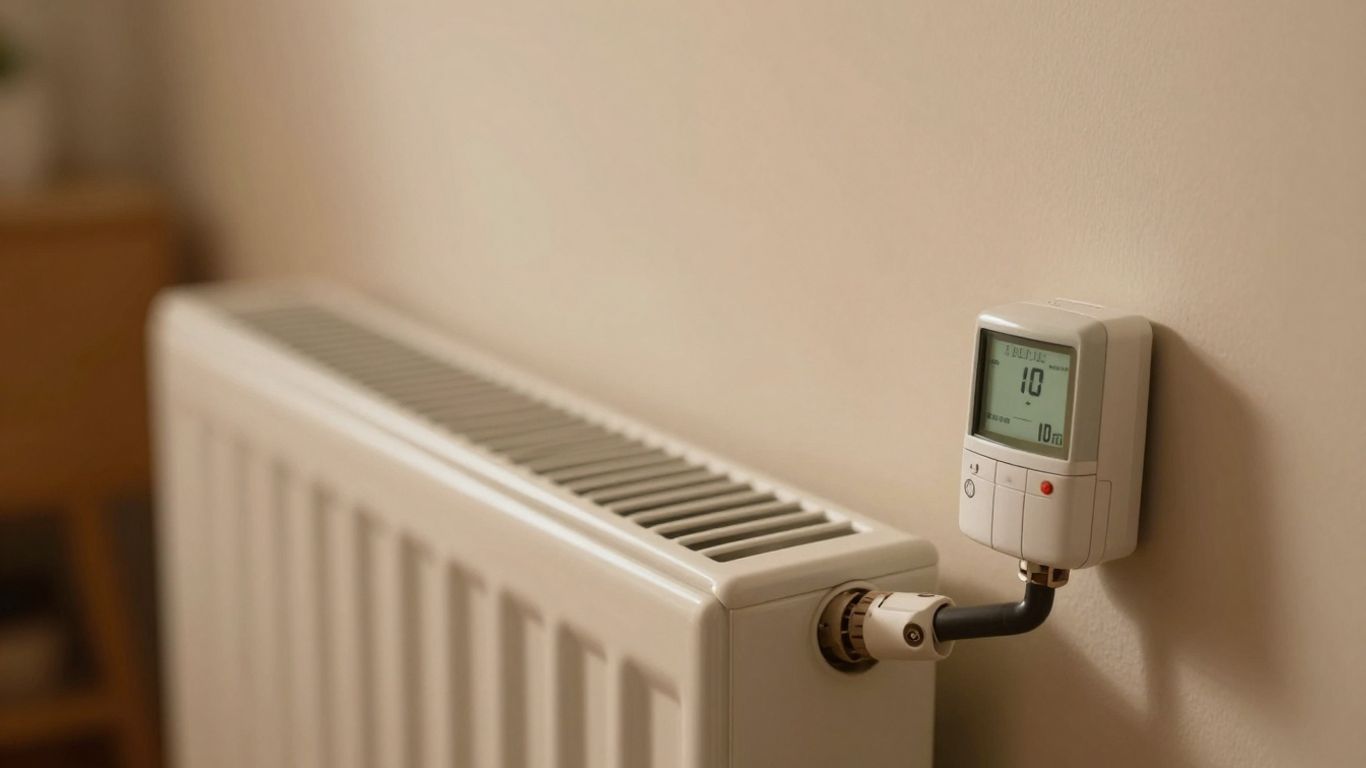
When the temperature drops outside, your HVAC system kicks into gear to keep you toasty warm. The way it does this really depends on the type of heating equipment you have. Most homes rely on either a furnace or a heat pump for their heating needs. Let’s break down how these work.
Gas Furnace Operation: Ignition and Heat Exchange
If you have a gas furnace, it’s basically a controlled fire that heats up metal. Here’s the general process:
- Ignition: When your thermostat calls for heat, it sends a signal to the furnace. A pilot light (in older models) or an electronic igniter sparks up, igniting the natural gas or propane flowing through the burners.
- Heat Exchange: The burning gas heats up a metal component called a heat exchanger. This is a series of tubes or chambers designed to get really hot.
- Blower Action: A fan, called a blower, then pulls cooler air from your home through the return ducts. This air is forced over the hot heat exchanger, warming it up.
- Distribution: The now-heated air is pushed through the supply ducts and out into your rooms via the vents.
- Exhaust: The combustion by-products (like carbon monoxide) are safely vented outside through a flue pipe.
Modern furnaces are pretty efficient, meaning they convert a high percentage of the fuel they burn into usable heat. You’ll often see an AFUE (Annual Fuel Utilization Efficiency) rating, with higher numbers being better.
A gas furnace is essentially a metal box where fuel is burned to heat up a metal coil. Air from your house is then blown over this hot coil and sent back into your rooms.
Electric Heating Methods Explained
Electric heating is a bit simpler in concept, as it doesn’t involve combustion. There are a few ways it’s done:
- Electric Resistance Heating: This is the most common type. Think of it like a giant toaster or a space heater. Electricity passes through a resistant material (like coils), which heats up. This heat is then transferred to the air. Furnaces can use electric resistance coils, or you might find electric baseboard heaters that work on the same principle.
- Heat Pumps (in electric mode): While heat pumps primarily move heat, they often have backup electric resistance heating elements that kick in when it gets extremely cold and the heat pump can’t keep up.
Electric heating is generally more expensive to run than natural gas in most areas, but the initial installation can sometimes be less costly, and there’s no need for a gas line.
Heat Pumps in Heating Mode: A Reverse Cycle
Heat pumps are pretty clever because they can both heat and cool. In heating mode, they work like an air conditioner in reverse. Instead of pulling heat from inside and dumping it outside, they pull heat from the outside air and bring it inside.
- Refrigerant Cycle: A special fluid called refrigerant circulates through the system. Outside, in the cold air, the refrigerant absorbs heat, even if it’s just a little bit.
- Compression: The refrigerant then travels inside, where a compressor squeezes it. This compression makes the refrigerant much hotter.
- Heat Transfer: This hot refrigerant flows through a coil inside your home. A fan blows air over this coil, transferring the heat to your indoor air.
- Expansion: The refrigerant then goes through an expansion valve, which cools it down, and the cycle starts over.
Heat pumps are very energy-efficient because they’re moving existing heat rather than creating it from scratch. However, their heating power can decrease as the outside temperature drops significantly. That’s why many systems have a backup heat source, often electric resistance strips, for those really cold days.
The Cooling Process Demystified
How Air Conditioners Move Heat
So, how does that box outside your house, along with the bits inside, actually make your home feel like a cool oasis on a sweltering summer day? It’s not magic, though it might feel like it sometimes. Your air conditioner doesn’t actually create cold air. Instead, it works by moving heat from inside your home to the outside. Think of it like a heat sponge – it soaks up the warmth from your living space and dumps it elsewhere.
The Refrigeration Cycle: Compressor, Condenser, and Evaporator
The whole process relies on something called the refrigeration cycle. It’s a bit of a loop, and it involves a few key players: the compressor, the condenser, and the evaporator. These parts work together, using a special fluid called a refrigerant to do all the heavy lifting.
Here’s a simplified look at how it goes:
- Evaporator Coil (Inside): This is usually located inside your home, often near your furnace. Warm air from your house gets blown across this coil. Inside the coil is a cold, low-pressure refrigerant. As the warm air passes over it, the heat from the air transfers to the refrigerant, making the refrigerant boil and turn into a gas. This process cools the air, which is then sent back into your home.
- Compressor (Outside): The refrigerant, now a warm gas, travels to the compressor, which is typically in your outdoor unit. The compressor squeezes this gas, increasing its pressure and temperature significantly. It’s like pumping up a bike tire – it gets hot.
- Condenser Coil (Outside): This hot, high-pressure refrigerant gas then flows into the condenser coil, also in the outdoor unit. A fan blows outside air across these coils. Since the refrigerant is much hotter than the outside air, it releases its heat to the outdoors. As it cools down, it turns back into a high-pressure liquid.
- Expansion Valve: This liquid refrigerant then travels back towards the evaporator coil. Before it gets there, it passes through an expansion valve, which lowers its pressure and temperature dramatically, making it cold again and ready to absorb more heat from your home.
This cycle repeats over and over, constantly pulling heat from your indoor air and sending it outside.
The key to air conditioning is understanding that it’s a heat transfer system. It doesn’t generate cold; it relocates heat. The efficiency of this relocation depends on the proper functioning of the refrigerant cycle and the components that support it.
Heat Pumps in Cooling Mode
Now, what about heat pumps? They’re pretty neat because they can do both heating and cooling. In the summer, when they’re in cooling mode, they actually work just like a standard air conditioner. They use that same refrigeration cycle we just talked about to pull heat from inside your house and push it outside. The only real difference is that a heat pump has a special valve that can reverse the flow of the refrigerant. This reversal is what allows it to switch from heating to cooling and back again.
The Crucial Role of Air Distribution
So, your HVAC system has done its job – it’s heated or cooled the air. But how does that conditioned air actually get to all the rooms in your house? That’s where air distribution comes in, and it’s a pretty big deal for your home’s comfort and how efficiently your system runs. Think of it as the circulatory system for your home’s climate control.
Ductwork: The Air Delivery Network
The main highway for your conditioned air is the ductwork. These are typically metal or flexible tubes that run through your walls, ceilings, and floors. They’re designed to carry the heated or cooled air from your furnace or air conditioner to the different parts of your house, and then bring the air back to the system to be reconditioned. The size, layout, and condition of your ductwork can seriously impact how well your system works. Leaky ducts, for example, can lose a surprising amount of air before it even reaches your rooms, making your system work harder and costing you money.
Vents: Controlling Airflow to Your Rooms
When you see those grilles on your walls or floors, those are your vents (or registers). They’re the exit points for the air coming from the ducts. Most vents have adjustable louvers, allowing you to direct the airflow or even close them off if a room isn’t being used. This is a simple but effective way to manage where the air goes. You might have noticed that some rooms in your house are warmer or cooler than others. Often, this is due to issues with the ductwork or vents serving that area, like blockages or poor design.
Ensuring Efficient Air Circulation
Getting the air where it needs to go is only half the battle. You also need to make sure the air is circulating properly throughout your home. This involves a balance between the air being pushed out and the air being pulled back into the system. If the return air vents are blocked or too small, it can strain your system. Good circulation helps maintain consistent temperatures across different rooms and prevents stagnant air pockets. It’s all about making sure the air you paid to condition actually gets used effectively.
Proper air distribution is key to making sure your HVAC system doesn’t just heat or cool air, but actually gets that conditioned air to the spaces where you need it, when you need it. Without it, you’re essentially wasting energy and comfort.
Here’s a quick look at what affects airflow:
- Duct Size and Design: Undersized or poorly designed ducts can restrict airflow, leading to uneven temperatures.
- Duct Sealing: Leaks in ductwork can lose up to 30% of the air passing through them.
- Filter Condition: A clogged air filter makes it harder for air to pass through, reducing overall airflow.
- Vent Obstructions: Furniture, rugs, or curtains blocking vents can disrupt airflow to a room.
- System Fan Speed: The fan in your furnace or air handler needs to be set correctly to push adequate air through the ductwork.
Maintaining Indoor Air Quality
The Importance of Air Filtration
Think of your HVAC system’s filter as the lungs of your home. It’s the first line of defense against all sorts of stuff floating around in the air. We’re talking dust, pollen, pet dander, mold spores, and even tiny bits of bacteria. If you’ve got a standard filter, it’s probably catching the bigger particles, but a lot of the smaller, more irritating stuff is just passing right through. Upgrading to a higher MERV-rated filter can make a big difference. MERV stands for Minimum Efficiency Reporting Value, and basically, the higher the number, the better it is at trapping smaller particles. For example, a filter with a MERV rating of 13 or higher can catch things like viruses and smoke particles. It’s a pretty simple change, but it can really help if you have allergies or just want cleaner air to breathe. Remember to check your filter regularly, usually every 1-3 months, and swap it out. A clogged filter makes your system work harder and can’t do its job properly.
Ventilation for Fresh Air Exchange
Beyond just filtering, your HVAC system plays a role in bringing fresh air into your home and getting stale air out. This process is called ventilation. We spend so much time inside, and over time, the air can get a bit… well, stale. It builds up with things like carbon dioxide from breathing, moisture, and other odors. Opening windows is one way to get fresh air, but it’s not always practical, especially when it’s freezing outside or super hot and humid. That’s where mechanical ventilation comes in. Your HVAC system can be set up to exchange indoor air with outdoor air in a controlled way. Some advanced systems even have features like Heat Recovery Ventilators (HRVs) that can bring in fresh air while minimizing the energy loss, which is pretty neat. It’s all about keeping that balance between comfort and healthy air.
Controlling Humidity Levels
Humidity is another big piece of the indoor air quality puzzle. Too much moisture in the air can lead to a whole host of problems, like mold and mildew growth, which isn’t good for your health or your home. It can also make your home feel sticky and uncomfortable, even if the temperature is right. On the flip side, air that’s too dry, especially in the winter, can cause dry skin, scratchy throats, and even make static electricity worse. Many HVAC systems can be equipped with humidifiers or dehumidifiers to help manage these moisture levels. Getting the humidity just right, typically between 30% and 50%, makes a huge difference in how comfortable and healthy your indoor environment feels. It’s not just about temperature; it’s about the whole package of air quality.
Maintaining good indoor air quality is about more than just comfort; it’s about health. By managing filtration, ventilation, and humidity, your HVAC system actively contributes to a healthier living space.
Here’s a quick look at what different MERV ratings mean:
| MERV Rating | What it Captures |
|---|---|
| 1-4 | Large particles like dust and lint |
| 5-8 | Medium particles like mold spores and pollen |
| 9-12 | Smaller particles like pet dander and fine dust |
| 13-16 | Very small particles like bacteria, viruses, and smoke |
Choosing the right filter is a simple step that can have a noticeable impact on your home’s air. If you’re dealing with specific air quality concerns, like allergies or respiratory issues, talking to a professional about advanced filtration or air purification options might be a good idea. They can help assess your home’s needs and recommend the best solutions, which can sometimes involve more involved HVAC diagnostic visits. It’s all part of making your home a healthier place to be.
Understanding Energy Transfer in HVAC
The Principles of Thermodynamics at Play
Ever wonder how your HVAC system manages to make your house toasty warm in winter and refreshingly cool in summer? It all comes down to some basic science, specifically the laws of thermodynamics. Think of thermodynamics as the study of heat and how it moves. The first law, often called the law of conservation of energy, is key here. It basically says energy can’t be created or destroyed, just changed from one form to another. Your HVAC system takes energy – maybe from electricity or burning natural gas – and converts it into the heating or cooling you feel.
How Refrigerants Facilitate Heat Transfer
Refrigerants are the unsung heroes in this whole process. These special fluids are what actually move the heat around. They have a neat trick: they can easily change from a liquid to a gas and back again. When the system needs to cool your house, the refrigerant absorbs heat from the indoor air, turning into a gas. Then, it travels outside, where it releases that heat and turns back into a liquid. It’s like a heat taxi, picking up heat inside and dropping it off outside. Common refrigerants you might hear about include R-410A and R-32, each with its own pros and cons regarding efficiency and environmental impact.
Energy Efficiency Ratings Explained
Not all HVAC systems are created equal when it comes to how much energy they use. That’s where efficiency ratings come in. You’ll often see numbers like SEER (Seasonal Energy Efficiency Ratio) for cooling and AFUE (Annual Fuel Utilization Efficiency) for heating. Higher numbers generally mean the system is more efficient, using less energy to do its job. This not only saves you money on your utility bills but is also better for the environment. When you’re looking at new equipment, paying attention to these ratings is a smart move.
Think of your HVAC system as a big heat mover. Whether it’s pushing heat out of your house in the summer or pulling it in during the winter, it’s all about transferring thermal energy from one place to another using a clever cycle and special fluids.
Advanced HVAC Control and Zoning
How Thermostats Command Your System
Think of your thermostat as the brain of your HVAC system. It’s not just a dial to set the temperature; modern thermostats are sophisticated devices that communicate your comfort needs to the heating and cooling equipment. Older thermostats were pretty basic, just telling the system to turn on or off when a certain temperature was reached. But today’s thermostats can do so much more. They can learn your daily routines, like when you’re usually home or away, and adjust the temperature automatically to save energy. Some even let you control your home’s temperature from your smartphone, no matter where you are. This smart control means you’re not wasting energy heating or cooling an empty house.
The Benefits of Zoned HVAC Systems
Zoning is a game-changer for home comfort and efficiency. Instead of treating your whole house like one big space, zoning divides it into different areas, or ‘zones,’ each with its own temperature control. This is super helpful because not all rooms are used the same way, and some might get hotter or colder than others naturally. With zoning, you can set different temperatures for different areas. For example, you might want the bedrooms cooler at night but the living room warmer during the day. This means you’re only conditioning the spaces you’re actually using, which can lead to some serious energy savings. Plus, it means everyone in the house can be more comfortable because their specific needs are met.
Here’s a quick look at how zoning works:
- Dividing the House: Your home is split into multiple zones, often based on room usage or sun exposure.
- Dampers in Ducts: Special motorized dampers are installed in your ductwork. These dampers open or close to control airflow to each zone.
- Zone Control Panel: A central panel coordinates the dampers and communicates with the thermostat(s) for each zone.
- Thermostats per Zone: Each zone has its own thermostat, allowing for independent temperature settings.
Smart Thermostats and Home Automation
Smart thermostats are really taking HVAC control to the next level. They connect to your home’s Wi-Fi, allowing for remote access and control through an app on your phone or tablet. This means you can adjust your home’s temperature before you even get there, or check in on it while you’re on vacation. Many smart thermostats also have learning capabilities. They observe your habits over time and create custom schedules that optimize comfort and energy use without you having to do much. When you link these smart thermostats with other smart home devices, like voice assistants, you can control your home’s climate with simple voice commands. It’s all about making your home more comfortable, convenient, and energy-efficient.
Advanced control systems, including smart thermostats and zoning, are no longer just luxury features. They are becoming standard for homeowners looking to maximize comfort and minimize energy waste. By giving you precise control over different areas of your home and learning your preferences, these systems pay for themselves over time through reduced utility bills and a more pleasant living environment.
Choosing the Right HVAC System Type
So, you’re looking to get a new HVAC system, or maybe just understand what’s out there. It can feel like a lot, right? There are different ways to heat and cool your home, and picking the right one is pretty important for comfort and your wallet. Let’s break down the main types you’ll run into.
Split Systems vs. Packaged Units
Most homes you’ll see have what’s called a split system. This is the most common setup. It means the main parts of your HVAC system are split between two locations: the outdoor unit (usually the air conditioner or heat pump) and the indoor unit (typically the furnace or air handler, often found in a basement, attic, or closet).
Packaged units, on the other hand, put all the main components – heating, cooling, and air handling – into one single cabinet. This cabinet is usually placed outside, either on the roof or beside the house. These are less common in residential settings but you might see them in some commercial buildings or specific home designs.
Forced Air, Hydronic, and Refrigerant Systems
This is where things get a bit more about how the heating and cooling actually happens.
- Forced Air Systems: This is what most people are familiar with. A furnace or air handler heats or cools the air, and then a fan (blower) pushes that conditioned air through a network of ducts to all the rooms in your house. The air returns to the system through other ducts to be reconditioned. It’s a continuous cycle.
- Hydronic Systems: These systems use hot water or steam to heat your home. Think radiators or baseboard heaters. Boilers heat the water, and it circulates through pipes to these heating elements. They don’t typically provide cooling, so you’d need a separate system for that.
- Refrigerant Systems: This is the heart of air conditioners and heat pumps. A special fluid called a refrigerant circulates through a closed loop, absorbing heat from one place and releasing it in another. This is how cooling happens, and how heat pumps can also provide heat.
Factors Influencing System Selection
Okay, so how do you actually pick? It’s not a one-size-fits-all deal. A few things really matter:
- Your Climate: If you live somewhere with really cold winters, a powerful furnace might be your best bet, maybe paired with an air conditioner. If you’re in a milder climate, a heat pump could be a great all-in-one solution for both heating and cooling. Heat pumps work best when temperatures aren’t extremely low.
- Existing Ductwork: Do you already have ducts in your house? If yes, a forced air system (like a furnace and AC, or a heat pump) is usually the easiest and most cost-effective route. If you don’t have ducts, or they’re in bad shape, you might look at ductless mini-split systems. These are great for adding comfort to specific rooms or homes without existing ductwork.
- Energy Costs and Efficiency Goals: Some systems are just more efficient than others. Heat pumps can be very energy-efficient, especially in moderate climates. Geothermal systems are super efficient but have a high upfront cost. You’ll want to look at ratings like SEER (for cooling) and AFUE (for heating) to get an idea of how much energy a system will use. A higher SEER or AFUE rating means better efficiency.
Choosing the right system involves looking at your home’s specific needs, your local weather, and what you’re willing to spend both upfront and on energy bills over time. It’s about finding that sweet spot for comfort and cost.
When you’re comparing systems, pay attention to the efficiency ratings. For cooling, you’ll see SEER (Seasonal Energy Efficiency Ratio) and EER (Energy Efficiency Ratio). For heating, furnaces have AFUE (Annual Fuel Utilization Efficiency), and heat pumps have HSPF (Heating Seasonal Performance Factor). Higher numbers generally mean the system uses less energy to do its job, which translates to lower utility bills. You can often find systems that meet Energy Star standards, which are designed for top efficiency.
Energy Efficiency and Environmental Considerations
Understanding SEER and AFUE Ratings
When you’re looking at new HVAC equipment, you’ll see a couple of ratings that tell you how efficient it is. For cooling, there’s SEER (Seasonal Energy Efficiency Ratio) and its newer version, SEER2. Think of it like miles per gallon for your car – a higher SEER number means the unit uses less electricity to cool your home. The SEER2 rating is a bit more realistic, using tougher testing conditions, so the numbers might look a little lower than the old SEER, but the principle is the same: higher is better. For heating, especially with furnaces, you’ll see AFUE (Annual Fuel Utilization Efficiency). This is a percentage that shows how much of the fuel (like natural gas) actually turns into heat for your house, instead of going up the chimney. A higher AFUE means less wasted fuel and lower heating bills.
Here’s a quick rundown:
- SEER/SEER2: Measures cooling efficiency. Higher numbers are better. Minimums are set by region and type of system, and they’ve gone up with SEER2.
- AFUE: Measures furnace heating efficiency. Higher percentages are better, with new minimums for gas furnaces going up soon.
- HSPF/HSPF2: Measures heat pump heating efficiency. Higher numbers are better.
It’s important to compare apples to apples, meaning SEER to SEER or SEER2 to SEER2. Jumping from a lower rating to a higher one can make a noticeable difference in your energy bills, especially if you live in a climate with long heating or cooling seasons.
Energy-Saving Features in Modern Systems
Today’s HVAC systems come with some pretty neat features designed to save energy. Many have variable-speed components, like compressors or fans, that can adjust their speed based on how much heating or cooling is actually needed. Instead of just blasting at full power, they ramp up or down as required. This is way more efficient than older systems that were either on or off. Smart thermostats also play a big role. They can learn your schedule, sense when you’re home, and adjust the temperature automatically, so you’re not heating or cooling an empty house. Some can even be controlled from your phone when you’re away.
- Variable-speed technology: Adjusts output to match demand, reducing energy waste.
- Smart thermostats: Automate temperature settings based on occupancy and preferences.
- Two-stage or multi-stage operation: Allows the system to run at lower, more efficient settings most of the time.
These features don’t just save you money; they often make your home more comfortable by keeping temperatures more consistent.
Eco-Friendly Options and Refrigerant Evolution
There’s a big push to make HVAC systems kinder to the environment. A major part of this is the type of refrigerant used. Older refrigerants, like R-22, were phased out because they harmed the ozone layer. The current common refrigerant, R-410A, is better for the ozone but still has a high global warming potential (GWP). Because of this, regulations are pushing for refrigerants with lower GWP. You’ll start seeing systems that use newer, more eco-friendly options like R-32 or blends like R-454B. These are designed to have a much smaller impact on climate change. It’s worth noting that some of these newer refrigerants are mildly flammable, so installation and handling practices are changing to keep things safe.
The shift towards lower-GWP refrigerants is a significant step in reducing the environmental footprint of HVAC systems. While these new options are safer for the planet, they require updated installation techniques and adherence to new safety codes to ensure proper and secure operation.
Beyond refrigerants, integrating HVAC with renewable energy sources like solar or geothermal is becoming more common. This reduces reliance on fossil fuels and lowers the overall carbon emissions associated with keeping your home comfortable.
Wrapping It Up
So, there you have it. We’ve walked through how your HVAC system keeps you comfy, from the furnace kicking on in winter to the AC doing its thing in summer. It’s not just magic; it’s a bunch of parts working together, moving air and heat around your house. Understanding the basics, like what the thermostat does or why changing your air filter matters, can actually save you some headaches and maybe even some cash. It’s a pretty neat system when you think about it, and now you know a bit more about the unsung hero of your home’s comfort.
Frequently Asked Questions
What does HVAC actually stand for?
HVAC is a simple acronym that stands for Heating, Ventilation, and Air Conditioning. It basically covers all the systems in your home that keep the air temperature and quality just right, no matter the season.
How often should I change my air filters?
It’s a good idea to check your air filters every month and replace them about every three months. If you have pets or allergies, you might need to change them even more often to keep your air clean and your system running smoothly.
What’s the difference between a split system and a packaged unit?
In a split system, some parts are inside your house (like the furnace or air handler) and some are outside (like the air conditioner or heat pump). A packaged unit has all the main parts in one single box, usually placed outside on the ground or on your roof.
How can I tell if my HVAC system is energy-efficient?
Look for energy efficiency ratings like SEER (for cooling) and AFUE (for heating). Higher numbers generally mean the system uses less energy to do its job. Also, if your system is newer and well-maintained, it’s likely more efficient than an older one.
Can I install a new HVAC system myself?
While it might seem tempting, installing an HVAC system is a complex job that requires special tools and knowledge. It’s best to have a qualified professional handle the installation to ensure it’s done safely and correctly, and to keep your warranty valid.
How can I make the air quality in my home better?
Besides changing your air filters regularly, you can improve air quality by making sure your ventilation system works well, controlling humidity levels, and keeping your home clean to reduce dust and allergens. Some people also use air purifiers.
What are the advantages of a zoned HVAC system?
A zoned system lets you control the temperature in different areas, or ‘zones,’ of your house separately. This means you can keep the upstairs cooler at night if you’re not using it, saving energy and making everyone more comfortable.
How do smart thermostats work?
Smart thermostats are like regular thermostats but with extra brains! They can learn your habits, be controlled from your phone, and even connect to weather forecasts to adjust your home’s temperature automatically, saving energy and boosting comfort.